In the realm of automation and smart technology, the ability to detect the presence or absence of an object without physical contact is fundamental. Among the various sensing technologies available, the glass proximity sensor stands out for its unique combination of durability, precision, and aesthetic integration. This article delves into the workings, applications, and advantages of these sophisticated components.
At its core, a glass proximity sensor is a non-contact device designed to detect the presence of objects within a specified range. The "glass" component typically refers to the sensing face or the protective cover of the sensor, which is often made from specialized glass or a glass-filled polymer. This material is chosen for its exceptional properties: high resistance to abrasion, chemicals, and extreme temperatures, ensuring reliable operation in harsh industrial environments. Unlike metallic sensor faces, glass does not interfere with high-frequency electromagnetic fields, making it ideal for certain sensing principles.
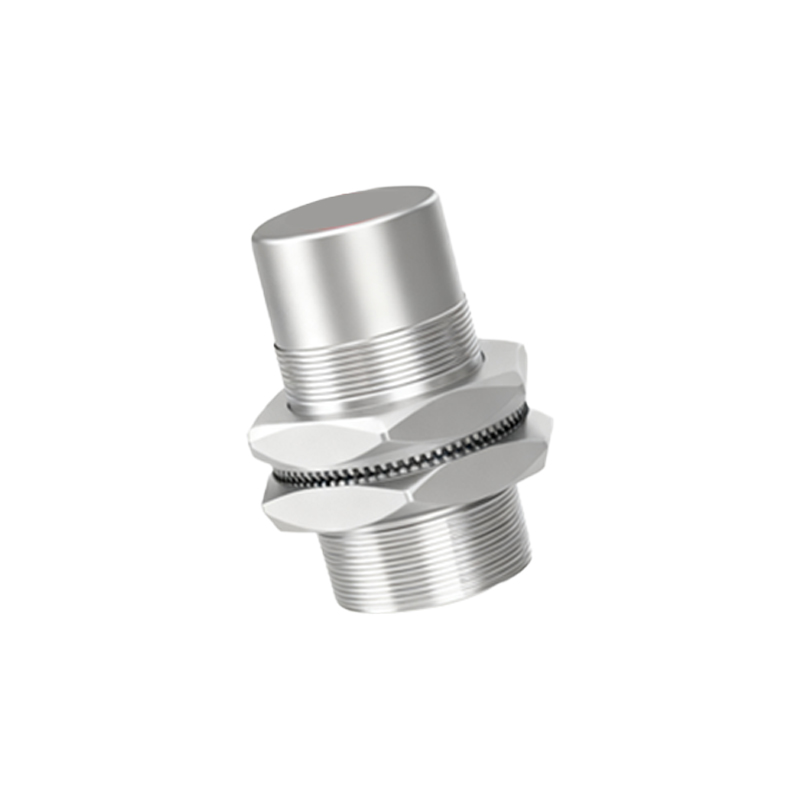
The most common operating principle for these sensors is based on electromagnetic fields. Inductive proximity sensors, for instance, generate an oscillating electromagnetic field from a coil within the device. When a metallic object enters this field, it induces eddy currents on the object's surface, which in turn dampens the oscillation of the sensor's internal circuit. This change is detected and converted into a switch signal. The glass front cap protects the internal coil and electronics from physical damage and corrosive substances while allowing the electromagnetic field to pass through unimpeded. Another prevalent type is the capacitive glass proximity sensor. These can detect both metallic and non-metallic objects (like liquids, plastics, or wood) by measuring changes in capacitance. The sensor and the target object act as two plates of a capacitor. As an object approaches the active face, it alters the dielectric constant of the space between them, changing the capacitance and triggering detection. The glass surface provides a stable, non-conductive interface that is crucial for accurate capacitive sensing.
The applications for glass proximity sensors are vast and varied. In industrial automation, they are indispensable for position sensing, end-of-travel detection on machinery, and counting metallic parts on high-speed production lines. Their robust glass face withstands constant impacts from passing objects, splashing coolants, and metal shavings. Within the food and beverage and pharmaceutical industries, sensors with glass fronts are preferred due to their smooth, non-porous surface. This design prevents bacterial growth and allows for easy cleaning and sterilization using high-pressure washers or aggressive cleaning agents, meeting stringent hygiene standards. Furthermore, the automotive industry utilizes these sensors in manufacturing processes, such as robotic welding and assembly, where reliability under sparks, heat, and vibration is critical.
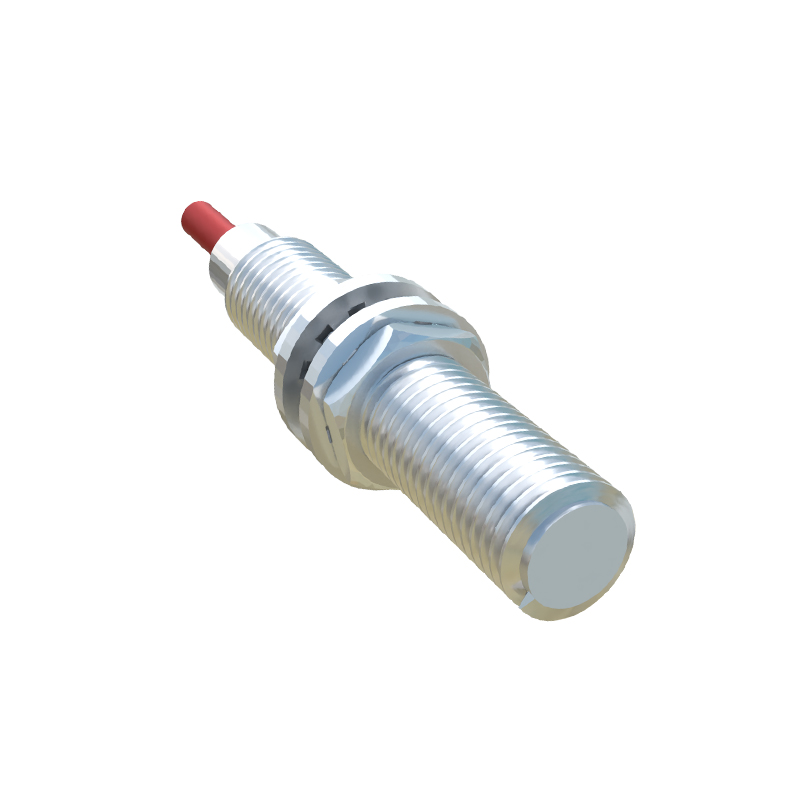
Beyond heavy industry, glass proximity sensors enable sophisticated user interfaces in consumer electronics. They are integral to modern smartphones, where they are placed near the earpiece. During a phone call, the sensor detects the proximity of the user's face to the screen and automatically turns off the display. This prevents accidental touch inputs and conserves battery power. The use of glass is essential here for both transparency (allowing the display to be seen) and for providing a seamless, scratch-resistant surface that aligns with the phone's screen.
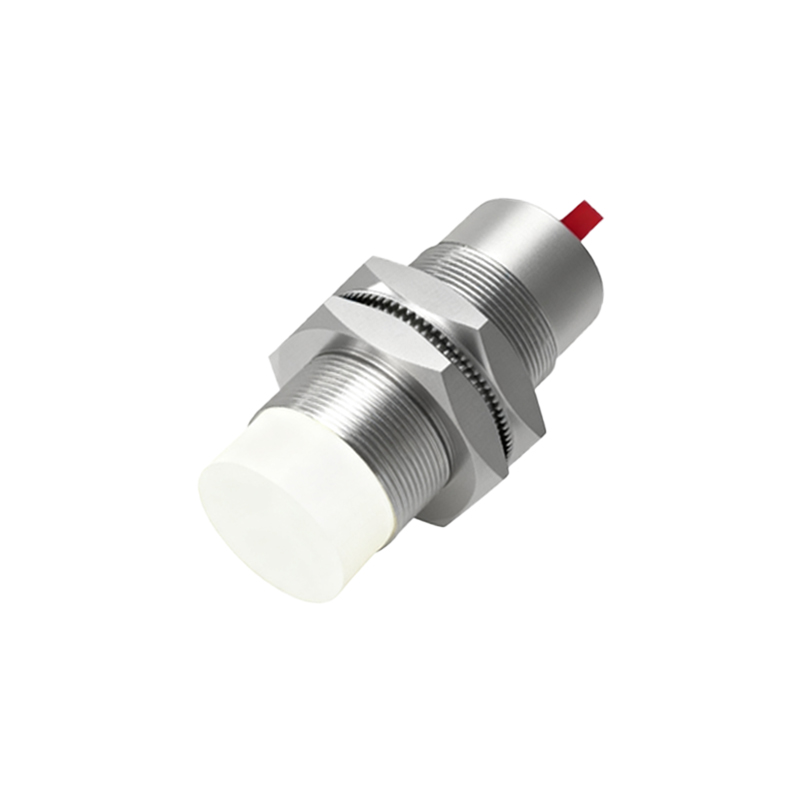
The advantages of opting for a glass-faced sensor are compelling. The primary benefit is exceptional durability. Glass offers superior resistance to mechanical wear, scratches, and chemical corrosion compared to standard plastic (PBT) housings. This translates to a longer operational lifespan and reduced maintenance costs in demanding applications. Secondly, the stability of the material ensures consistent sensing performance. It does not warp or degrade easily, which maintains a stable sensing distance over time. Finally, for applications requiring a high degree of hygiene or where the sensor face might be exposed to adhesives, paints, or other materials that could stick to plastics, glass provides an easy-to-clean solution that maintains sensor functionality.
Looking ahead, the evolution of glass proximity sensors is intertwined with trends in miniaturization and the Internet of Things (IoT). Manufacturers are developing smaller, more energy-efficient sensors with integrated intelligence. Future sensors may feature advanced diagnostics, communicating not just a simple on/off signal but also data about their own health, temperature, or the exact distance to a target. The inherent robustness of glass will continue to be valued as sensors are deployed in increasingly challenging and remote environments, from outdoor agricultural equipment to deep-sea exploration robots.
In conclusion, glass proximity sensors represent a critical fusion of material science and sensing technology. Their ability to provide reliable, non-contact detection in conditions that would compromise other sensors makes them a cornerstone of modern industrial automation and consumer device design. As technology advances, their role is set to expand, driven by the enduring need for components that are as tough as they are smart.