In the realm of industrial automation and smart device design, proximity sensing technology plays a pivotal role. Among the various components available, the SR0410 proximity sensor has established itself as a reliable and widely adopted solution. This article delves into the technical specifications, operational principles, and diverse application scenarios of this sensor, providing a clear understanding of its capabilities.
At its core, the SR0410 is an inductive proximity sensor. This means it generates an electromagnetic field to detect the presence or absence of metallic objects without any physical contact. The "SR" designation typically refers to a series of sensors known for their compact cylindrical housing, often in an M8 or M12 form factor, which facilitates easy installation in tight spaces. The operating principle is straightforward: when a metallic target enters the sensor's detection range, it causes a change in the oscillation amplitude within the sensor's coil. This change is processed by an internal circuit, triggering a solid-state output signal—commonly a PNP (sourcing) or NPN (sinking) transistor switch.
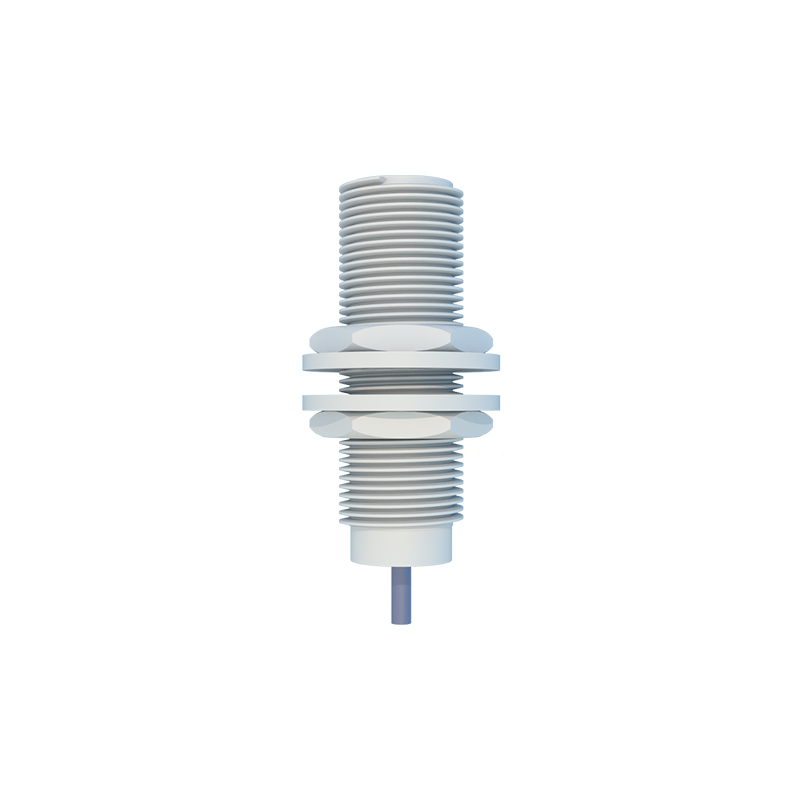
Key technical features define the SR0410's performance. Its sensing distance, a critical parameter, is usually specified as 1mm, 2mm, or 4mm, depending on the specific model variant. This short-range detection is precise and repeatable. The sensor typically operates on a DC supply voltage ranging from 10 to 30 volts DC, making it compatible with standard industrial control systems. A notable feature is its embedded protection against reverse polarity and short-circuit conditions, enhancing its durability in demanding environments. Furthermore, many models in this series boast an IP67 ingress protection rating, signifying complete resistance to dust and the ability to withstand temporary immersion in water, which is essential for washdown areas or outdoor use.
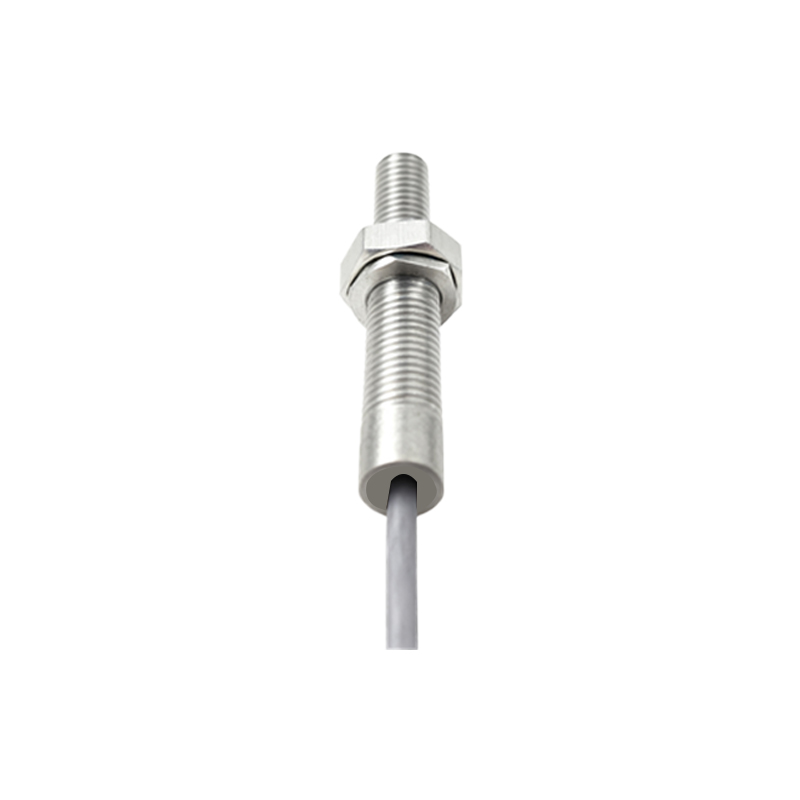
The output configuration is another vital aspect. Users can select between normally open (NO) and normally closed (NC) logic, as well as the aforementioned PNP or NPN output types, to match the requirements of the connected controller (e.g., PLC, relay). The response frequency, indicating how quickly the sensor can detect objects in rapid succession, is sufficiently high for most automation tasks like counting or position verification on a production line.
The applications for the SR0410 proximity sensor are extensive across multiple industries. In manufacturing and packaging machinery, it is routinely used for part detection, end-of-travel limit sensing, and verifying the presence of components on an assembly line. Its robust construction allows it to perform reliably near metal-cutting machines, where coolant and metal shavings are present. Within the automotive sector, these sensors monitor robotic arm positions, check for closed doors or hatches, and control automated welding processes.
Beyond heavy industry, the SR0410 finds use in material handling systems, such as conveyor belts, to detect jams or count products. It can also be integrated into security systems for door status monitoring or into vending machines to verify coin insertion. The non-contact nature of detection eliminates mechanical wear and tear, leading to minimal maintenance and a long operational lifespan compared to mechanical limit switches.
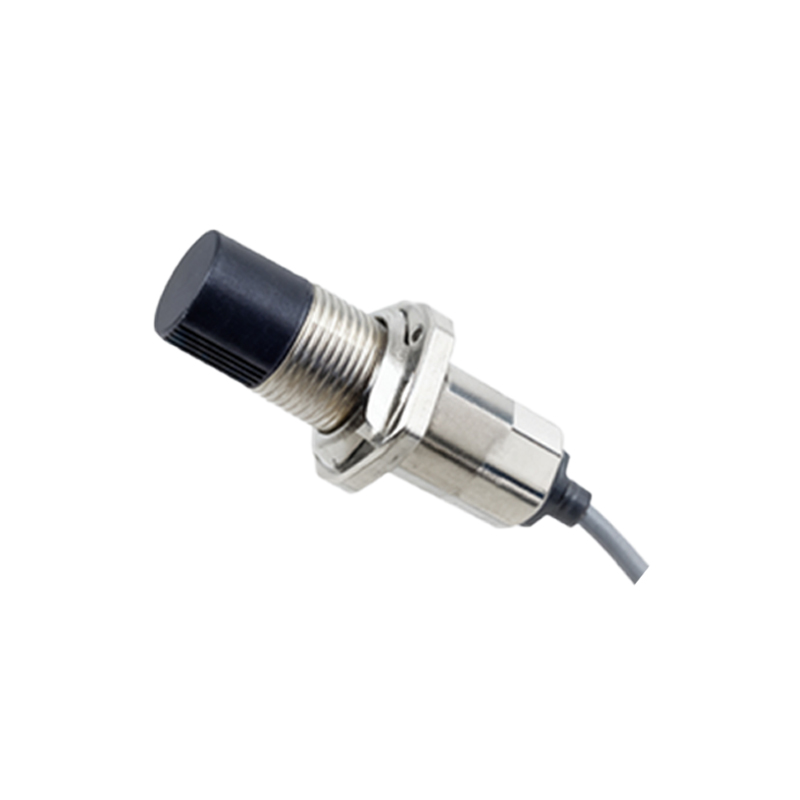
When installing an SR0410 sensor, several best practices ensure optimal performance. It is crucial to mount the sensor securely, maintaining the specified sensing distance from the target material. The sensor face should be kept clean from debris, adhesives, or buildup that could attenuate the electromagnetic field. For consistent detection, the target object should be made of ferrous metal (like iron or steel) and be at least as large as the sensor's sensing face. Users must also correctly wire the power supply, load, and ground according to the sensor's datasheet to avoid damage.
In summary, the SR0410 proximity sensor represents a fundamental building block in modern electro-mechanical systems. Its combination of compact design, environmental resilience, precise short-range detection, and electrical robustness makes it a versatile and dependable choice for engineers and technicians. By understanding its specifications and correct application, one can effectively leverage this sensor to enhance automation, improve safety, and increase the efficiency of countless mechanical processes.