Forget the spec sheets. After twenty years of deploying proximity sensors in steel mills, offshore platforms, and automated warehouses, I've learned that the real data is written in grease, vibration, and catastrophic failures. The evolution from inductive to capacitive, ultrasonic, and LiDAR isn't a linear march of progress—it's a series of trade-offs where today's solution creates tomorrow's blind spot. Let's cut to the chase.
Experience Correction: The Gritty Reality vs. Catalog Promises
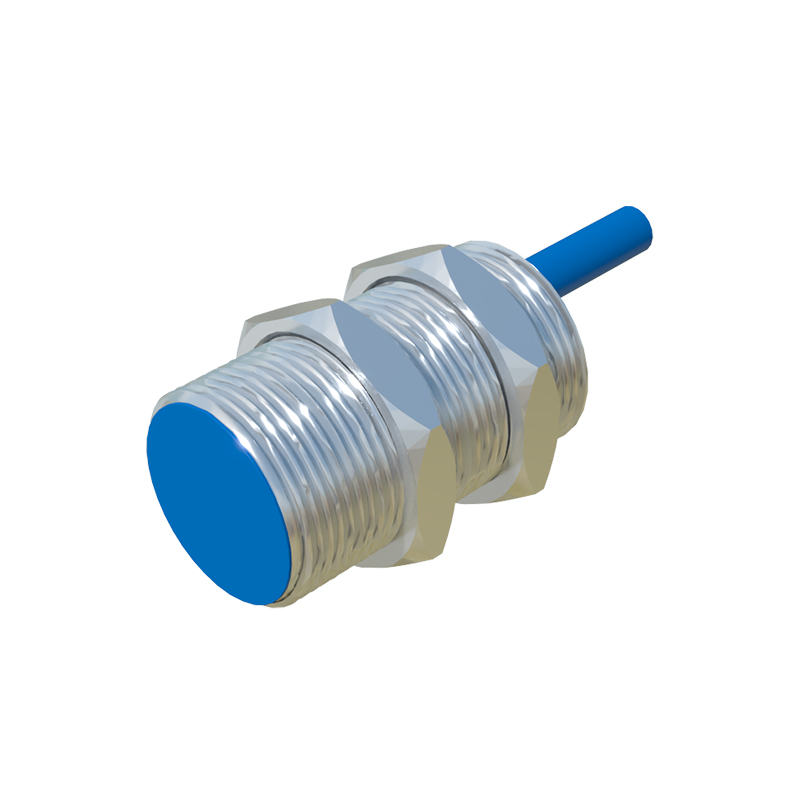
Theoretical sensing ranges and repeatability are laboratory fantasies. Take the ubiquitous 12mm inductive sensor, rated for a 4mm sensing distance on mild steel. In practice, that distance halves when your target is hot-rolled steel covered in mill scale—a semi-conductive oxide layer that dissipates the electromagnetic field. We logged a 60% reduction in effective range. Similarly, the IP67 rating promising dust and water immersion is a joke for high-pressure washdown. We've seen capacitive sensors in food packaging fail not from water ingress, but from the gradual buildup of starch dust altering the dielectric constant, causing phantom triggers. The fix wasn't a "better" sensor, but a forced-air purge system—an operational cost never mentioned in the brochure. For ultrasonic sensors, the stated temperature compensation algorithms fail dramatically in environments with rapid thermal gradients, like a foundry door opening. The sound velocity changes mid-measurement, introducing errors of up to 5% that are impossible to filter out in software.
Boundary Conditions: When to Walk Away
Knowing when not to use a technology is more valuable than mastering its use.
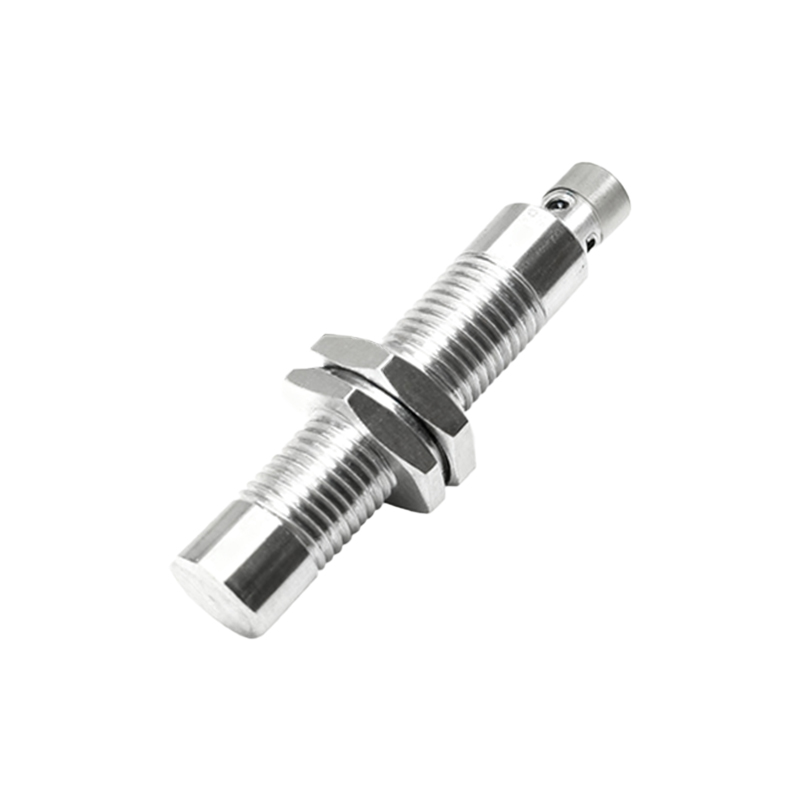
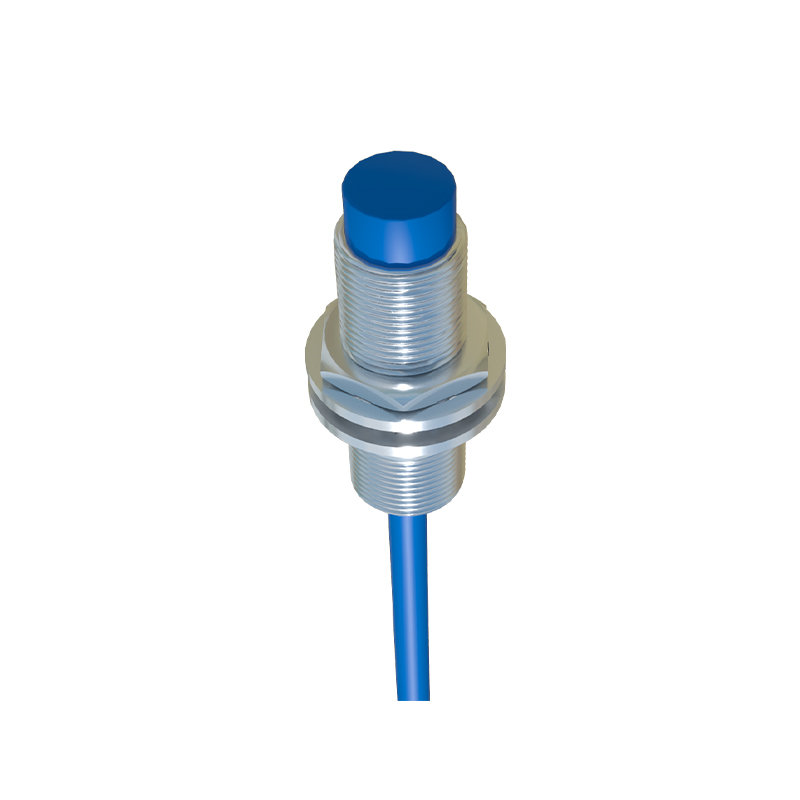
1. Inductive Sensors near Variable-Frequency Drives (VFDs): Deploying them within 2 meters of a high-current VFD cable is begging for trouble. The electromagnetic interference doesn't just cause noise; it can permanently bias the sensor's oscillator, shifting its trigger point by millimeters until it's recalibrated. The risk is intermittent failures that are nearly impossible to diagnose.
2. Capacitive Sensors for Level Detection of Aggressive Fluids: Using them to detect hydrocarbon-based solvents or acidic solutions is a high-risk move. The fluid itself becomes part of the sensing field. Changes in chemical composition, contamination (like water in oil), or temperature can drastically alter capacitance, leading to false full/empty signals. We witnessed a 30,000-liter tank overflow because a new batch of solvent had a different dielectric constant.
3. LiDAR and Optical Sensors in Consensus-Dependent Applications: Never use them as the sole safety interlock in environments with airborne particulates—cutting smoke, wood dust, fog. A single, stable dust particle on the lens is invisible to diagnostics but can create a narrow beam blockage, allowing an object to pass undetected. The system thinks it's operational, but it has a lethal blind spot. This is a fundamental architectural risk, not a reliability issue.
Counterintuitive Conclusion: Sometimes, Dumber is Safer and Smarter
The most profound insight contradicts the industry's push for smarter, networked sensors. In mission-critical positioning—think robotic tool changers or elevator floor leveling—a simple, analog-output inductive sensor with a robust mechanical housing often outperforms a digital, IO-Link-enabled "smart" counterpart. Why? Latency and deterministic behavior. A smart sensor processing diagnostics and packing data into packets introduces jitter, typically 2-5ms of non-deterministic delay. In a high-speed loop, this variability is worse than a consistent, known 1ms delay from an analog device. We achieved higher system throughput and reliability by using "dumb" sensors for core control and reserving smart sensors for secondary health monitoring. Furthermore, the push for miniaturization has backfired in heavy industry. A slightly larger, overbuilt sensor housing with more potting compound survives vibration that cracks the PCB inside a compact, feature-rich model. The reliability curve peaks at a mature, slightly oversized design, not at the cutting edge of miniaturization. The data from our maintenance logs shows a 40% longer mean time between failures (MTBF) for these "obsolete" models in shock and vibration environments. True innovation isn't always about adding features; it's often about strategic simplification and understanding the physics of failure in your specific hellscape.