Circular inductive proximity sensors are non-contact sensing devices widely used in industrial automation for detecting metallic objects. These sensors operate on the principle of electromagnetic induction, generating an oscillating magnetic field from a coil within the sensor. When a metallic target enters this field, eddy currents are induced in the target, causing a change in the oscillation amplitude. This change is detected by the sensor's internal circuitry, triggering an output signal.
The typical construction includes a ferrite core, coil, oscillator, demodulator, and output circuit, all housed in a cylindrical metal or polymer body. Key performance parameters include sensing distance, which varies based on the sensor's diameter and target material. For instance, a standard mild steel target is used to specify nominal sensing ranges, while factors like target size, shape, and material composition (e.g., stainless steel, aluminum, copper) affect actual performance. Aluminum and copper, due to lower resistivity, generally require reduced sensing distances compared to steel.
Applications span across manufacturing, packaging, automotive, and material handling industries. Common uses include position sensing of machine parts, object counting on conveyor belts, and end-of-travel detection in actuators. These sensors excel in harsh environments, being resistant to dust, moisture, and vibrations, unlike optical or capacitive alternatives. They do not require physical contact, minimizing wear and maintenance.
Installation considerations include flush or non-flush mounting. Flush-mounted sensors can be embedded in metal without affecting performance, while non-flush versions offer longer sensing ranges but require clearance from surrounding metal. Electrical outputs typically include NPN, PNP, or analog (4-20 mA, 0-10 V) options, compatible with PLCs and control systems. Operating voltages commonly range from 10-30 V DC, with some AC/DC models available.
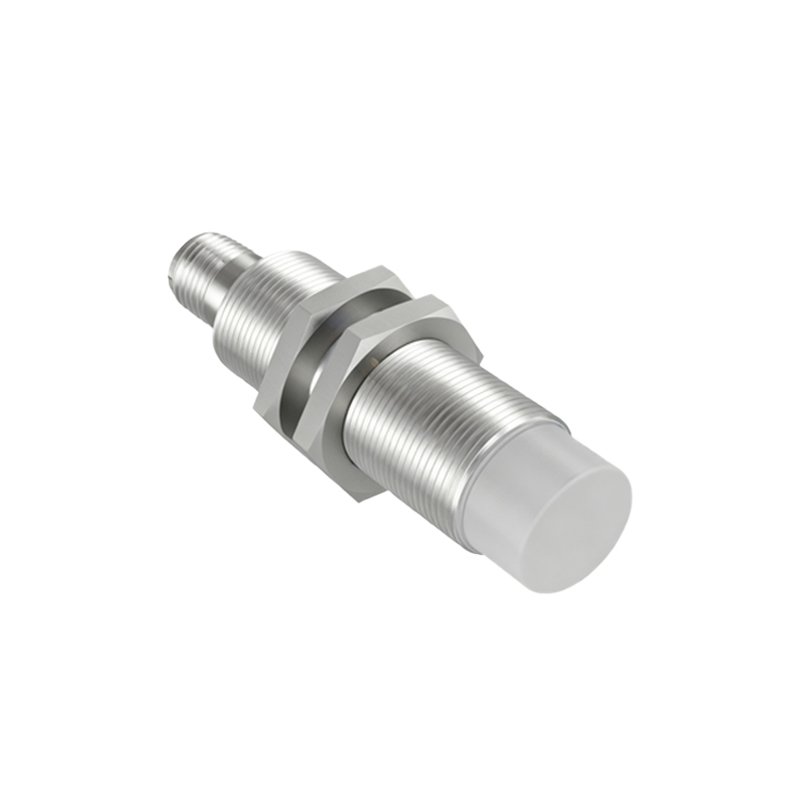
Advantages include high switching frequency, often up to several kilohertz, enabling detection of fast-moving objects. They are immune to ambient light, color, or surface texture influences. Limitations involve detection restricted to conductive metals, with reduced sensitivity for non-ferrous metals. Temperature stability is generally good, but extreme conditions may require specialized variants.
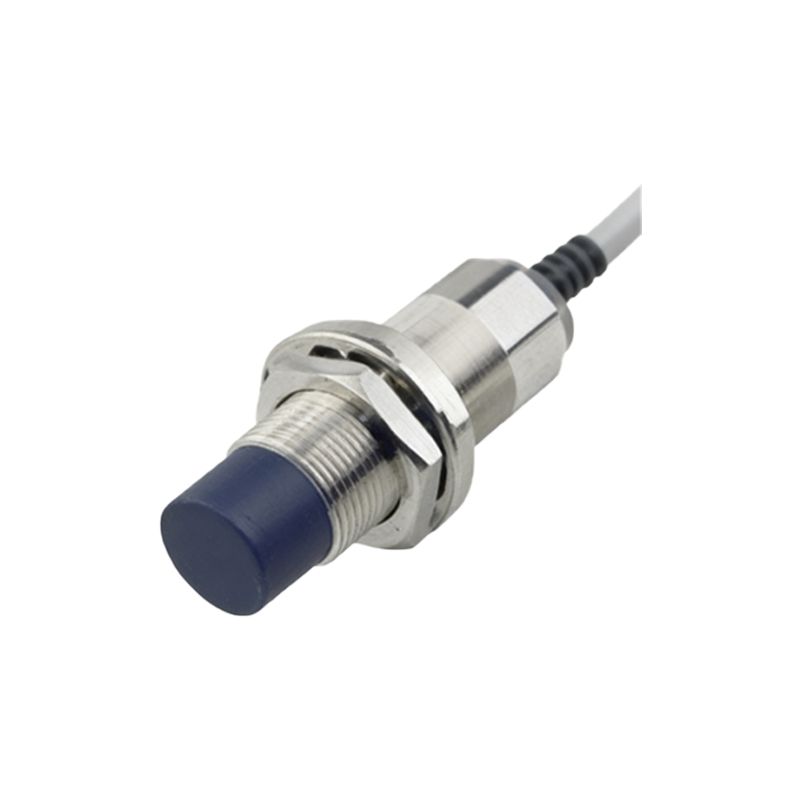
Selection guidelines emphasize matching sensor specifications to application needs: required sensing distance, target material, environmental factors (IP ratings for ingress protection), and output type. Regular maintenance involves checking for mechanical damage, buildup of metallic debris, and ensuring proper electrical connections. Innovations continue to enhance performance, such as improved noise immunity, miniaturization, and integration with IO-Link for digital communication and diagnostics.
In summary, circular inductive proximity sensors provide reliable, durable metal detection solutions, forming a critical component in automated systems for efficiency and safety. Their robustness and simplicity ensure continued relevance in evolving industrial landscapes.