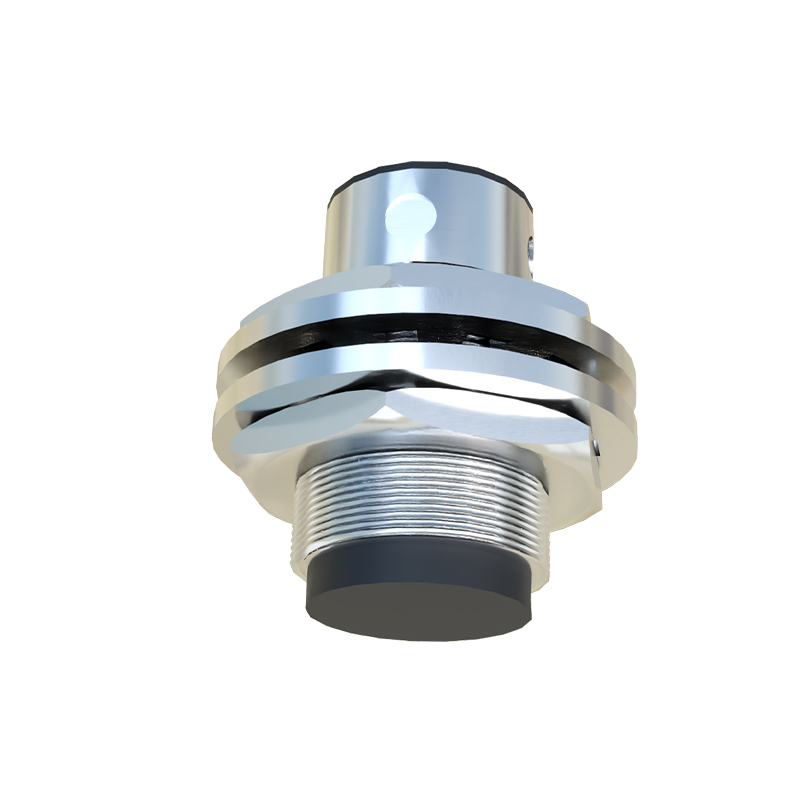
In the world of industrial automation and machine safety, proximity sensors are indispensable components. Among the various types available, two-wire proximity sensors stand out for their simplicity, reliability, and cost-effectiveness. This guide delves into the fundamentals, operation, advantages, and typical applications of these widely used devices.
A two-wire proximity sensor is a non-contact sensing device designed to detect the presence or absence of a target object without physical contact. Unlike their three-wire or four-wire counterparts, these sensors are integrated directly into the power supply circuit. They have only two connecting wires: one for the power supply (positive, typically labeled +V or L+) and one that serves as both the load connection and the return path to the power supply negative (often labeled -V, L-, or simply the load wire). This design eliminates the need for a separate output wire, simplifying wiring and installation significantly.
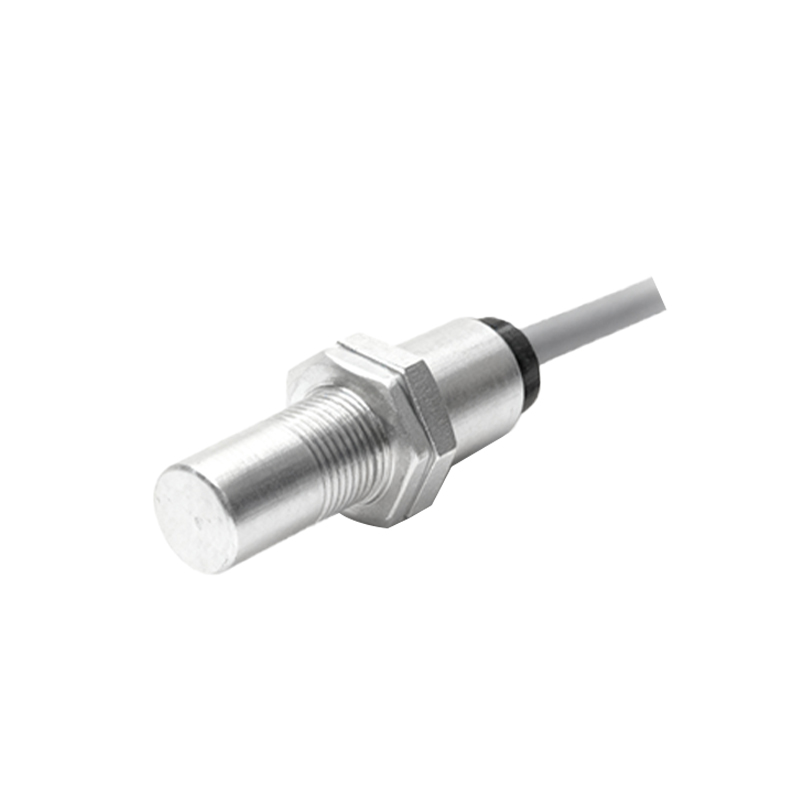
The core operating principle remains similar to other inductive or capacitive proximity sensors. An inductive two-wire sensor generates an oscillating electromagnetic field from its sensing face. When a metallic target enters this field, it causes eddy currents, which dampen the oscillation. The sensor's internal circuitry detects this change. In a two-wire configuration, this detection triggers an electronic switch (like a transistor) within the sensor to change state. This switch is in series with the power supply and the load (e.g., a PLC input, relay coil, or indicator lamp). When the target is absent, a small "leakage" or "off-state" current flows through the sensor and the load. When a target is detected, the internal switch closes more fully, allowing a much higher "on-state" current to flow, effectively powering the load. The load itself is an integral part of the circuit; without it, the sensor cannot function correctly.
The primary advantage of the two-wire system is its wiring simplicity. Installation is faster, requires less conduit space, and reduces potential wiring errors. This leads to lower overall installation costs. They are also easier to replace, as the connections are straightforward. Furthermore, they offer inherent protection against short circuits, as the sensor and load are in series. Many modern two-wire sensors feature short-circuit and reverse polarity protection, enhancing durability.
However, certain considerations are crucial for successful implementation. The "Off-state current" or "Leakage current" is a key characteristic. Even when no target is present, a small current (typically 1-3 mA) flows through the sensor and the connected load. This current must be below the minimum operating current of the load to prevent false triggering. For instance, some highly sensitive PLC digital inputs might activate with this leakage current. Solutions include using a "bleeder resistor" in parallel with the load to shunt the leakage current. Voltage drop is another factor; the sensor itself consumes some operating voltage, leaving a slightly lower voltage available for the load. This must be accounted for in system design to ensure the load receives sufficient voltage to operate. Not all loads are compatible. They are ideal for driving standard PLC inputs, relay coils, and lamps with adequate current ratings. They are generally not suitable for directly controlling high-inrush loads like contactor coils or solenoid valves without an intermediate relay, as the sensor's switching capacity is limited.
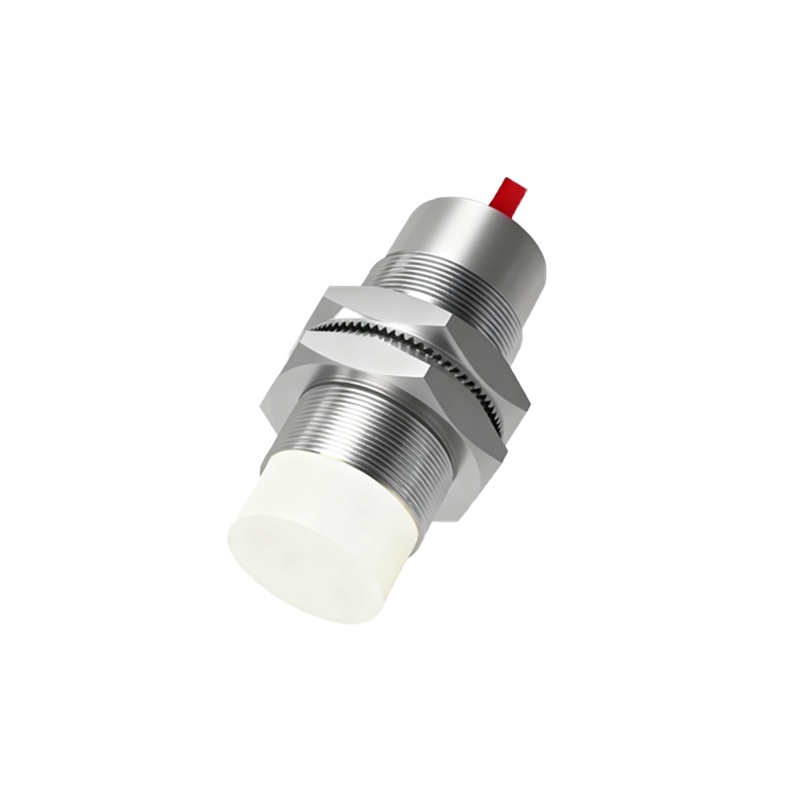
Two-wire proximity sensors are ubiquitous in industrial environments. Common applications include basic presence detection for part counting on conveyor belts, position verification of machine components (like cylinder end positions), and bin level detection for non-metallic materials using capacitive versions. Their robust design makes them suitable for harsh environments found in automotive manufacturing, packaging machinery, and material handling systems. When selecting a two-wire sensor, key specifications to review include sensing distance, housing material (e.g., nickel-plated brass or stainless steel), output function (normally open or normally closed), supply voltage range, leakage current, and environmental protection ratings like IP67 for dust and water resistance.
In summary, two-wire proximity sensors offer a robust and economical solution for countless detection tasks in automation. Their straightforward two-wire connection scheme reduces complexity and cost from the panel to the field device. By understanding their operating principle, particularly the implications of off-state leakage current and voltage drop, engineers and technicians can reliably integrate these sensors into control systems, ensuring efficient and trouble-free operation for years to come.