In the realm of modern electronics, two tiny yet crucial components work silently behind the scenes to enhance user experience and conserve power: the proximity sensor and the ambient light sensor. While often mentioned together due to their frequent co-location on device front panels, they serve distinct and vital functions. This article delves into their operation, applications, and the seamless integration that makes our smart devices more intuitive.
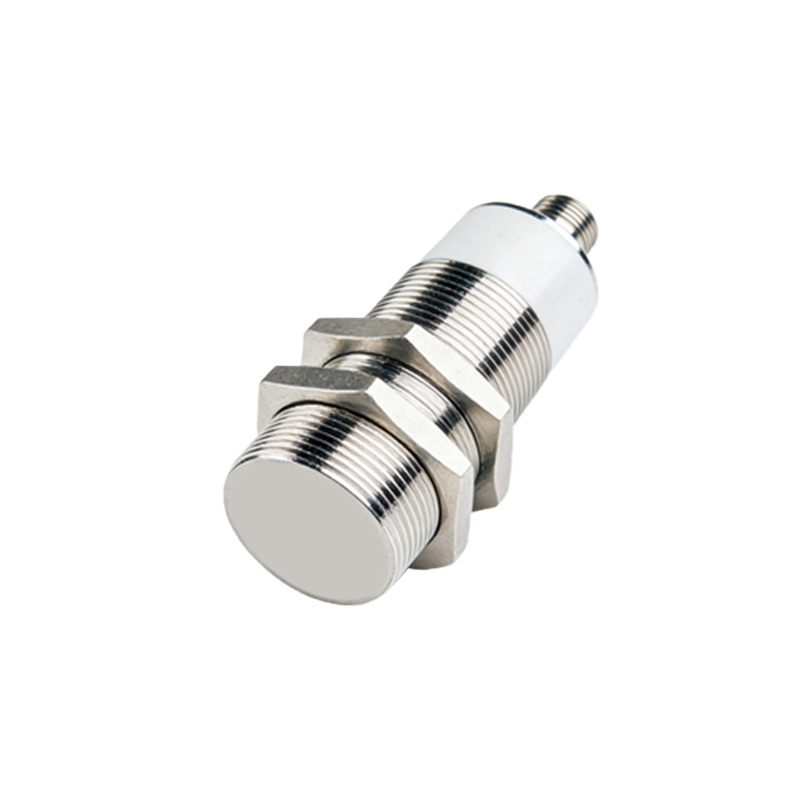
A proximity sensor is primarily a presence detector. It typically emits an invisible beam of infrared (IR) light and measures whether this light is reflected back to a receiver. The core principle is simple: if an object, like a user's face during a phone call, is close enough to reflect the IR signal, the sensor triggers an action. The most ubiquitous application is in smartphones, where it automatically turns off the display and disables touch input when the phone is held to the ear. This prevents accidental cheek-presses and saves battery life. Beyond phones, proximity sensors are found in automatic faucets, hand dryers, and industrial safety systems, where non-contact detection is essential.
The ambient light sensor (ALS), on the other hand, is a passive device focused on measurement rather than emission. Its job is to quantify the intensity of visible light in the immediate environment. It contains photodiodes that convert light photons into an electrical current; brighter light produces a stronger current. This data is fed to the device's processor, which then adjusts the screen's brightness accordingly. Walking from a dimly lit room into bright sunlight, your smartphone screen automatically ramps up its brightness for readability, thanks to the ALS. Conversely, in a dark room, it dims the display to reduce eye strain and, again, conserve precious battery power. This dynamic adjustment is a cornerstone of modern display management.
The synergy between these sensors is where the real magic happens. In a smartphone, they often share a module near the earpiece. During an incoming call, the proximity sensor detects your face and blanks the screen. Simultaneously, the ambient light sensor can be ignored for that moment, as screen visibility is not a concern. Once the call ends and the phone is moved away, the ALS immediately samples the environmental light to set the perfect screen brightness level for the next interaction. This collaboration creates a fluid and energy-efficient user experience.
Technological advancements continue to refine these sensors. Modern ambient light sensors can now often distinguish between different light sources, such as sunlight versus fluorescent office lighting, allowing for more nuanced color temperature adjustments in addition to brightness—a feature known as True Tone or similar. Proximity sensors have also evolved, with some using time-of-flight (ToF) principles to measure precise distances, not just a simple near/far binary state. This enables new functionalities, like quick gestures in the air above a device.
From a design and engineering perspective, integrating these sensors presents challenges. They require careful placement to avoid obstruction by bezels, cases, or screen protectors. Their optical components must be calibrated to ignore stray light or unintended reflections. Furthermore, software algorithms play a critical role in interpreting the raw sensor data, filtering out noise, and ensuring reliable, lag-free responses. Poor implementation can lead to frustrating experiences, such as a screen that turns off during a call when it shouldn't or erratic auto-brightness behavior.
Looking forward, the roles of proximity and ambient light sensors are expanding with the Internet of Things (IoT) and smart home ecosystems. Ambient light sensors in smart thermostats or lighting systems can help automate room illumination based on natural light availability, promoting energy efficiency. Proximity sensors can enable touchless interfaces on public kiosks or appliances, a feature whose importance has been underscored by public health considerations. In automotive applications, these sensors contribute to automatic headlight control and driver monitoring systems.

In conclusion, proximity and ambient light sensors are unsung heroes of device interactivity. Their combined intelligence allows our gadgets to perceive key aspects of their environment—what's nearby and how bright it is—and react appropriately without user intervention. This not only creates a more seamless and responsive interaction but also plays a significant role in power management, a perpetual priority in portable electronics. As devices become more context-aware, these fundamental sensing technologies will continue to be indispensable, evolving to support even more sophisticated and human-centric applications.