Human proximity sensors have become integral components in modern automation, security, and interactive systems. Their ability to detect the presence or movement of individuals without physical contact makes them valuable across industries. When considering the price of these sensors, it's essential to understand the factors that influence cost and the market segments they serve.
The price range for human proximity sensors varies significantly based on technology, range, accuracy, and additional features. Basic passive infrared (PIR) sensors, commonly used in lighting control or simple security applications, can be found for as low as $5 to $20 per unit in bulk purchases. These sensors detect changes in infrared radiation but offer limited range and may struggle with stationary targets. More advanced microwave or ultrasonic sensors, which detect motion through frequency shifts, typically range from $20 to $60. They perform better through certain materials but can be prone to false triggers.
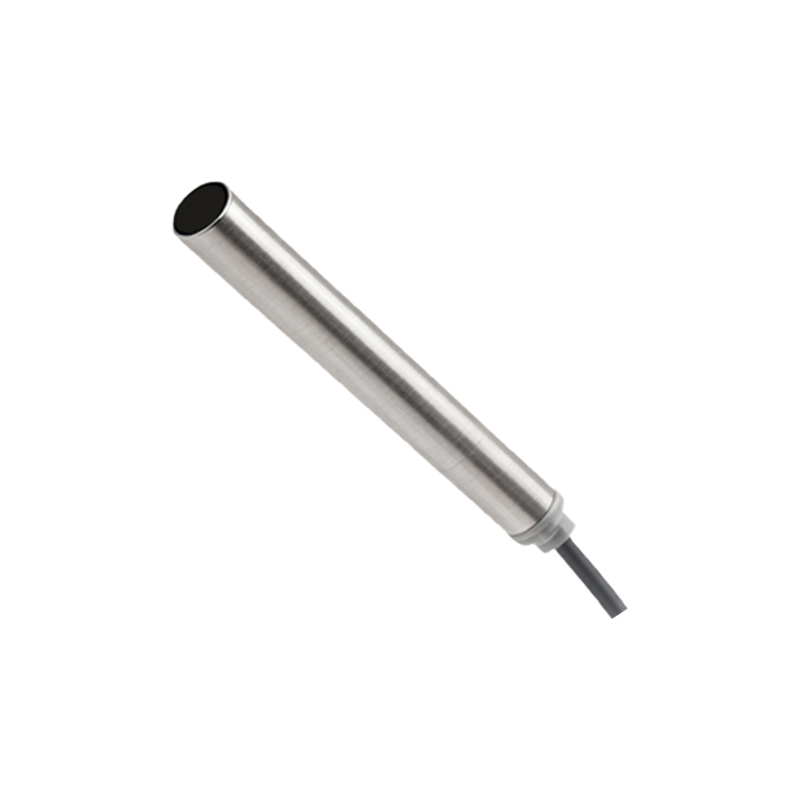
For applications requiring high precision, such as industrial safety systems or advanced human-machine interfaces, capacitive or time-of-flight (ToF) sensors are preferred. Capacitive sensors, which detect changes in an electromagnetic field, often cost between $30 and $100, depending on sensitivity and environmental robustness. ToF sensors, using laser or LED light to measure distance accurately, represent the higher end, with prices ranging from $50 to over $200. These are used in robotics, automotive, and premium consumer electronics where reliability is critical.
Integration complexity also affects pricing. Standalone sensors with analog outputs are generally cheaper, while those with digital interfaces (like I2C or SPI), built-in processing, or connectivity options (Bluetooth, Wi-Fi) command higher prices. For instance, a smart occupancy sensor with cloud connectivity might cost $80 to $150 due to added functionality. Brand reputation and certification (e.g., industrial-grade, waterproof ratings) further elevate costs, as seen with suppliers like Omron, Schneider Electric, or Honeywell, whose products often carry a premium.
Market trends show decreasing prices for basic sensors due to mass production, especially in consumer electronics. However, demand for sophisticated, miniaturized sensors in IoT devices and automotive safety is driving innovation and sustaining higher price points for advanced models. When purchasing, consider total cost of ownership, including installation, calibration, and maintenance. For large-scale projects, suppliers often provide volume discounts, reducing per-unit expenses.
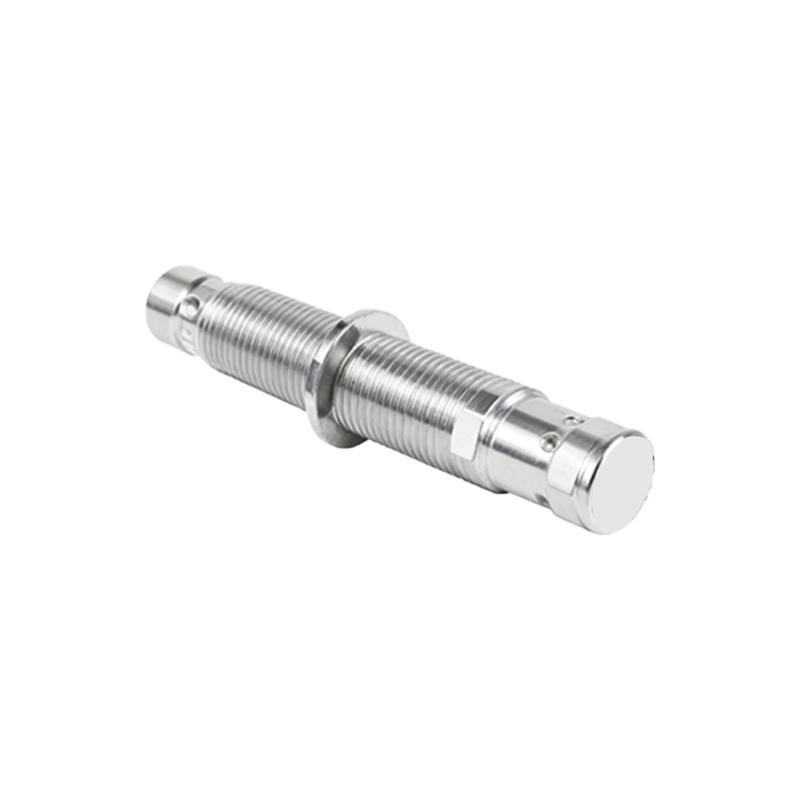
In summary, human proximity sensor prices reflect a trade-off between performance and application needs. Evaluating specifications against use cases—whether for home automation, public infrastructure, or industrial automation—ensures cost-effective selection without compromising on necessary features.