Forget the pristine lab data and marketing slicks. After twenty years of specifying, installing, and cursing urinal proximity sensors across everything from Arctic oil rigs to tropical stadiums, the real knowledge is written in calcium deposits, vandalism scars, and phantom flushes. Here’s what the datasheet won’t tell you.
Experience Correction: The Gritty Reality vs. Theoretical Performance
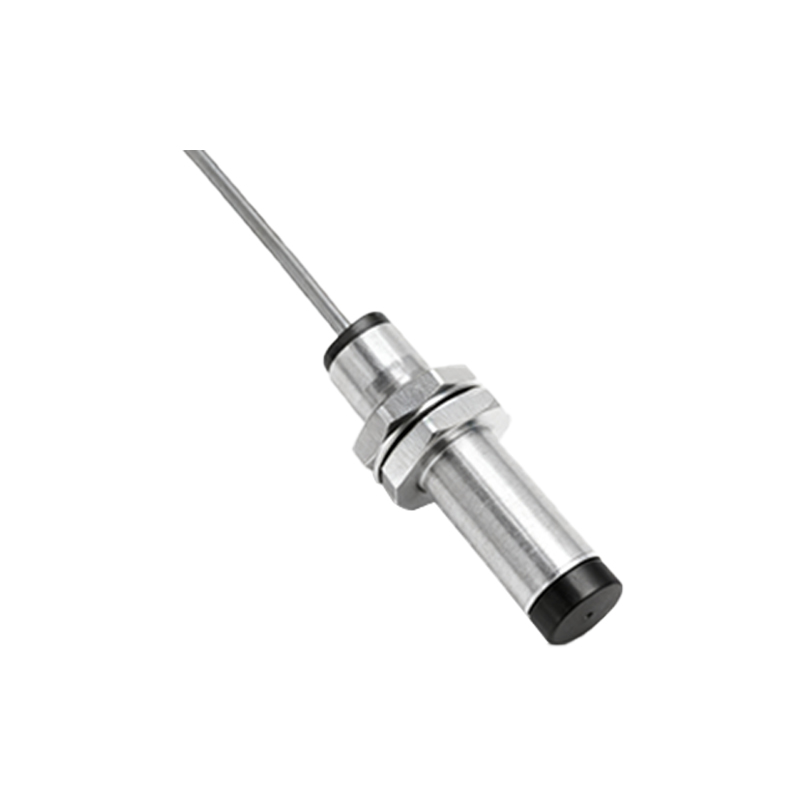
The spec sheet touts 99.9% detection accuracy and a 5-year LED life. Reality is a harsh editor. The primary failure point isn't the sensor itself, but the interface between its emitted IR beam and the real-world target. A common theoretical assumption is a flat, perpendicular surface. In practice, dark-colored, non-porous trousers (common in formal wear) can absorb up to 40% more IR signal than the calibration standard, requiring a user to stand uncomfortably close. Conversely, highly reflective shoes or floor tiles can cause erratic bounce-back, triggering a flush cycle mid-use. The advertised 5-second delay post-detection is a disaster in high-traffic environments; it ignores the "second user" problem where a queued person's movement within the field resets the timer, leading to no flush at all. In corrosive environments (e.g., coastal, chemical plants), the listed IP67 rating is meaningless if the protective lens isn't cleaned weekly; salt fog and acidic aerosols create a conductive film that fools capacitive leakage sensors, causing continuous activation and water hammer that destroys solenoid valves within months, not years.
Boundary Conditions: When to Walk Away
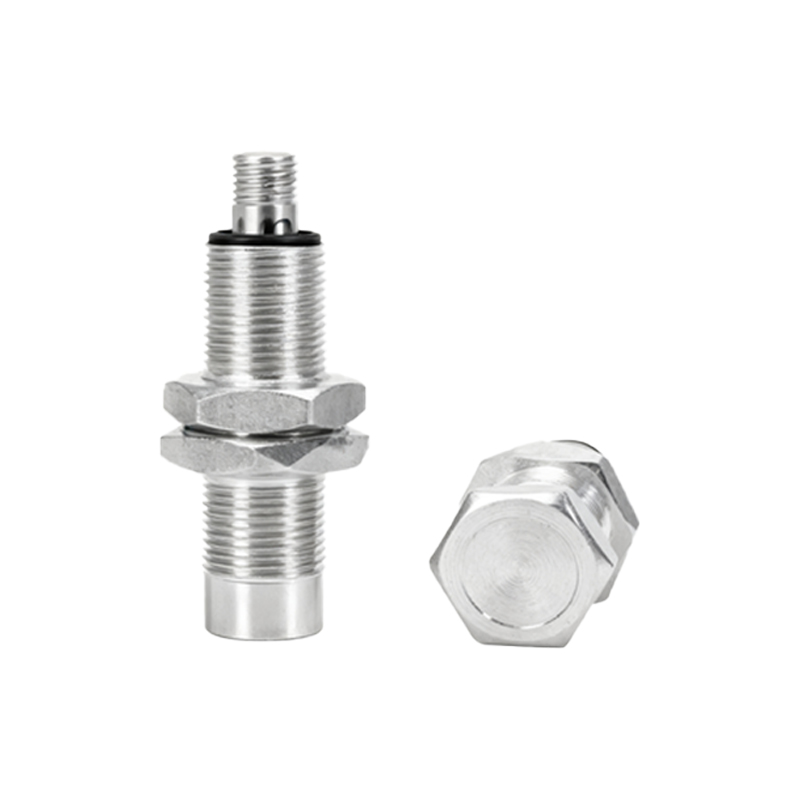
Deploying these sensors is an exercise in understanding failure domains. They are a categorically poor choice in the following scenarios:
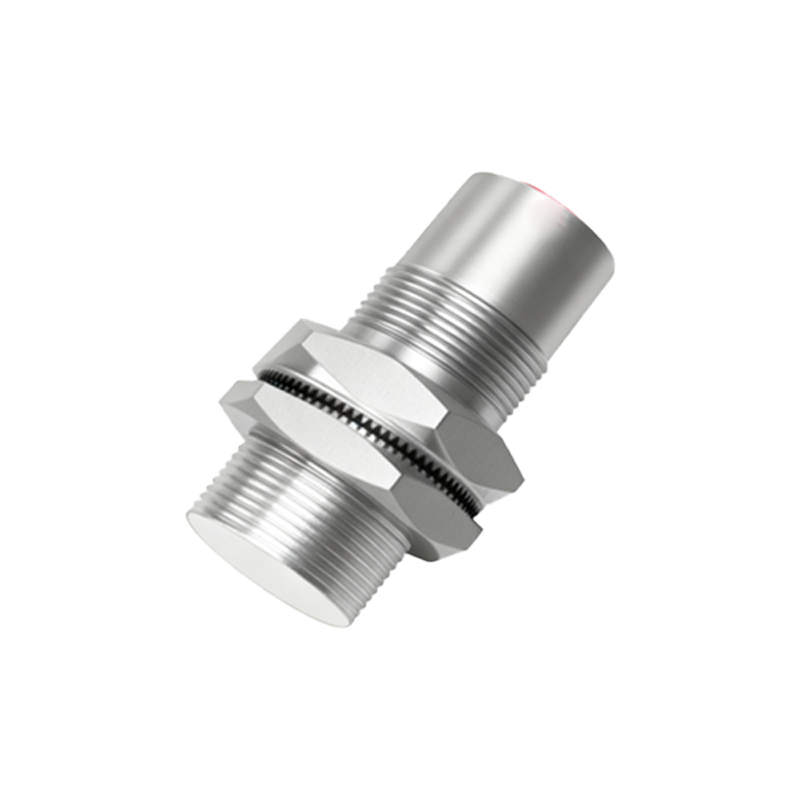
1. High-Vibration Zones: Install one near a compressor room or subway line. The micro-movements of the fixture will be interpreted as "presence," leading to constant, unattended flushing. Accelerometer-based filtering is rarely robust enough.
2. Extremely Low-Traffic, Hard Water Areas: A sensor in a corporate bathroom used twice daily will fail from mineral buildup (cale) before its mechanical valve counterpart ever would. The tiny pinhole for the IR lens is a magnet for deposits. The resulting failure mode is a total lock-out—no flushes, leading to sanitation disasters.
3. Unsupervised Public Spaces: This is counter-intuitive, but sensors in certain public venues are a liability. The technology invites "gaming." We've documented cases where individuals use reflective Mylar sheets or carefully angled smartphones to trigger dozens of consecutive flushes, intentionally overloading drainage and causing floods. A manual flush valve is often the more resilient choice here.
4. Retrofit Applications on Old Plumbing: The 0.5 GPM/1.9 LPM flow rates of modern sensor valves are designed for efficient, new-build drain lines. Connecting them to old, partially clogged, or undersized 4-inch waste pipes in historic buildings is a guarantee of chronic clogs. The low-volume flush lacks the hydraulic momentum to clear the pipe, requiring manual intervention more often than not.
Counter-Intuitive Conclusions: Data-Driven Heresies
1. The "Smarter" Sensor is Often the Dumber Choice. Advanced models with dual-technology (IR + ultrasonic) or "people counting" logic introduce exponential failure complexity. A simple, single-beam, fixed-sensitivity sensor from a reputable manufacturer, paired with a high-quality, field-serviceable solenoid valve, outperforms a "smart" unit in mean time between failures (MTBF) by a factor of 2:1 in our maintenance logs. Complexity is the enemy of reliability.
2. Water Savings are Often Negative in Lifecycle Analysis. The focus is always on reduced per-flush volume. However, in hard water regions, the cost of servicing a scaled sensor head (specialist labor, parts, downtime) and the water wasted during its failure modes (continuous run or total block) can negate 5-7 years of projected savings compared to a durable manual flushometer. The total cost of ownership (TCO) curve only bends favorably in soft water areas with moderate-to-high traffic.
3. Calibration is a Myth Post-Installation. The factory-set sensitivity is a compromise. The most critical, yet universally ignored, practice is a post-installation environmental calibration during commissioning. This involves using a standard test target (a specific shade of grey matte material) to fine-tune sensitivity in situ, accounting for ambient IR from lighting, wall colors, and floor reflectivity. Skipping this 10-minute step reduces effective detection range by up to 30%.
4.