In the rapidly evolving landscape of automation and smart technology, the humble proximity sensor has undergone a profound transformation. Smart proximity sensors represent the next evolutionary step, moving beyond simple presence detection to become intelligent nodes in interconnected systems. These advanced devices are redefining how machines perceive their environment and interact with it, enabling unprecedented levels of safety, efficiency, and user experience across countless applications.
At its core, a smart proximity sensor detects the presence or absence of an object within a specified range without any physical contact. Traditional sensors provided a binary output: object detected or not. Smart sensors, however, integrate microprocessors and sophisticated algorithms, allowing them to process information locally. They can measure not just presence, but also distance, speed, and even the material composition of a target in some advanced models. This intelligence is achieved through various underlying technologies, including inductive, capacitive, ultrasonic, and photoelectric (optical) principles, each chosen based on the specific application needs regarding target material, required sensing range, environmental conditions, and cost.
The defining characteristic of a smart proximity sensor is its embedded intelligence. This enables features like programmable sensing ranges, adjustable sensitivity, and built-in diagnostics. For instance, a sensor on a factory conveyor belt can be programmed to ignore the belt itself while detecting only specific types of packages. It can also monitor its own health, alerting a central system to lens contamination or potential failure before it causes downtime. This predictive maintenance capability is a game-changer for industrial operations, minimizing unplanned stoppages and reducing maintenance costs.
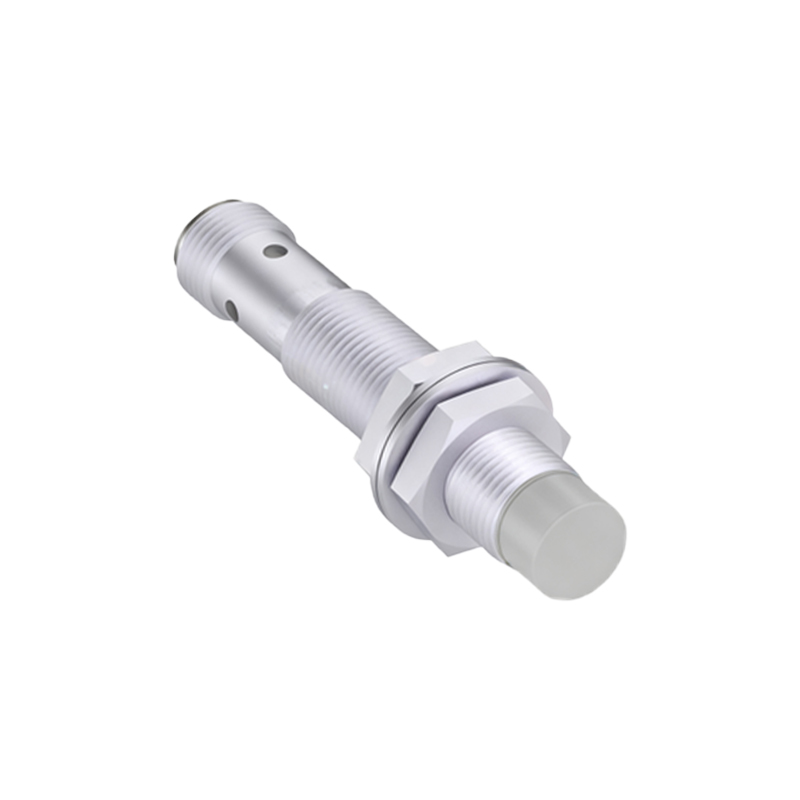
Connectivity is another pillar of smart sensor technology. Modern smart proximity sensors often come equipped with industrial communication protocols like IO-Link, which allows for bidirectional data exchange. Through this digital link, parameters can be configured remotely, and detailed process data—far beyond a simple on/off signal—can be transmitted to higher-level control systems or the cloud. This data becomes part of the larger Industrial Internet of Things (IIoT) ecosystem, facilitating data-driven decision-making, process optimization, and seamless integration with robotics and automated guided vehicles (AGVs).
The applications for smart proximity sensors are vast and growing. In automotive manufacturing, they ensure precise positioning of robotic arms for welding and assembly, enhancing both quality and worker safety. In consumer electronics, they enable features like the automatic screen turn-off when a phone is held to the ear. In smart buildings, they contribute to energy savings by controlling lighting and HVAC systems based on room occupancy. In logistics, they track inventory on shelves and guide automated storage and retrieval systems. Even in modern agriculture, they help in automated guidance systems for tractors and equipment.

When implementing smart proximity sensors, several practical considerations are paramount. Environmental robustness is critical; sensors in industrial settings must withstand vibration, temperature extremes, washdowns, and electromagnetic interference. The choice of sensing technology is crucial: inductive sensors are ideal for metals, capacitive sensors can detect non-metals and liquids through barriers, ultrasonic sensors work well for larger distances and challenging surfaces, and photoelectric sensors offer the longest ranges and high precision for a variety of materials. The decision must align with the specific detection task.
Looking ahead, the trajectory for smart proximity sensors points toward even greater miniaturization, enhanced sensing capabilities, and lower power consumption. The integration of artificial intelligence at the edge will allow sensors to make more complex contextual decisions independently, such as distinguishing between different object types or predicting trajectories. As wireless power and communication technologies advance, installation will become more flexible, further accelerating their adoption.
In conclusion, smart proximity sensors are far more than just switches. They are intelligent, data-generating components that form the sensory foundation of automated and intelligent systems. By providing rich, contextual information about the physical world, they empower machines to operate more safely, efficiently, and responsively. For engineers, system integrators, and businesses aiming to innovate, understanding and leveraging the capabilities of smart proximity sensors is no longer optional—it is essential for building the responsive and intelligent environments of the future.