In the realm of modern manufacturing, Computer Numerical Control (CNC) machining stands as a pillar of precision and automation. The integration of proximity sensors into these systems has revolutionized their capabilities, pushing the boundaries of efficiency, safety, and accuracy. Unlike contact sensors, proximity sensors detect the presence or absence of an object without physical touch, using electromagnetic fields, light, or sound. This non-contact nature is pivotal in CNC environments where even microscopic contact can compromise tool integrity or part quality.
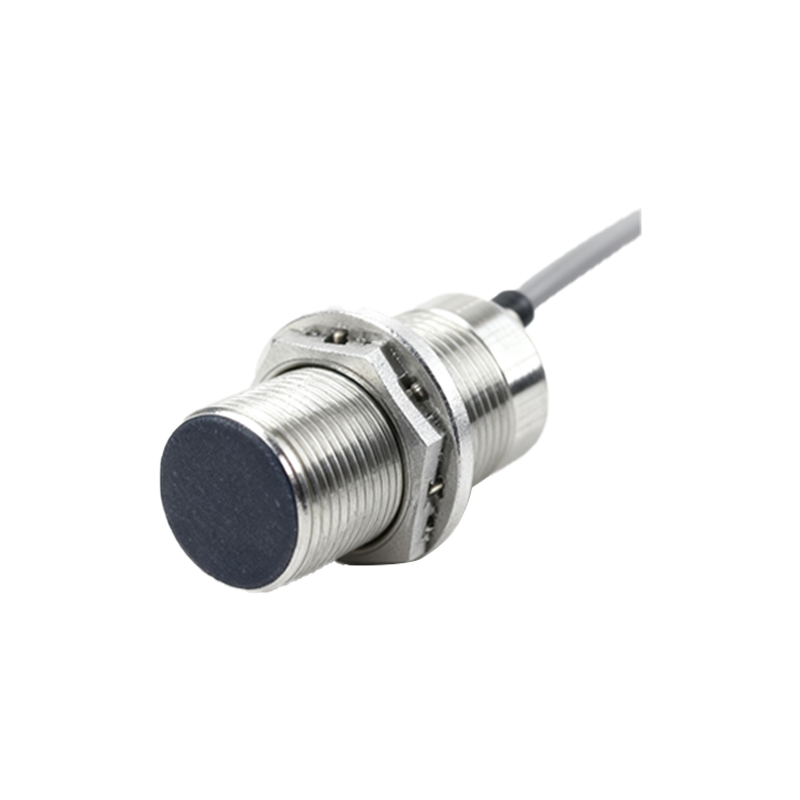
The core function of a proximity sensor in a CNC setup is to provide real-time feedback to the machine's control unit. Common types include inductive sensors for detecting metallic objects, capacitive sensors for both metallic and non-metallic materials, and photoelectric sensors using light beams. For instance, an inductive sensor can be mounted near the tool changer to confirm a tool is correctly seated in the spindle before high-speed rotation begins. This prevents catastrophic collisions and tool breakage. Similarly, capacitive sensors are often used to monitor coolant levels or detect the presence of non-metallic workpieces on the fixture, ensuring the machining cycle only proceeds when the part is correctly positioned.
One of the most critical applications is in tool setting and tool breakage detection. A high-precision proximity sensor can accurately measure tool length and diameter offsets. By gently bringing the rotating tool near the sensor, the machine control can automatically calibrate its tool library, eliminating manual measurement errors and saving significant setup time. More importantly, sensors can monitor for tool breakage during a run. If a drill bit snaps, the sensor fails to detect its expected tip, immediately halting the machine to prevent further damage to the expensive workpiece and allowing for prompt tool replacement.
Workpiece positioning and pallet verification are other areas where these sensors excel. In complex multi-stage machining, a sensor can verify that a workpiece is located within thousandths of an inch of its programmed position. It can also confirm the identity of a pallet or fixture, ensuring the correct machining program is loaded—a key feature in flexible manufacturing systems running different parts. This level of verification drastically reduces setup errors and scrap rates.
Beyond process control, proximity sensors are fundamental to operator safety. They can be integrated into safety interlocks on machine doors or guards. If a protective gate is opened during operation, a sensor immediately signals the control to stop all moving axes and spindle rotation. Light curtains, an array of photoelectric sensors, create an invisible barrier around hazardous zones, triggering an emergency stop if breached.
The integration of these sensors is not without challenges. The harsh CNC environment presents factors like coolant mist, metal chips, vibrations, and electromagnetic interference. Selecting sensors with appropriate ingress protection (IP) ratings, robust housings, and noise immunity is crucial. Furthermore, the sensor's output signal must be compatible with the CNC controller's input modules, typically requiring PNP or NPN configurations and proper wiring to avoid signal conflicts.
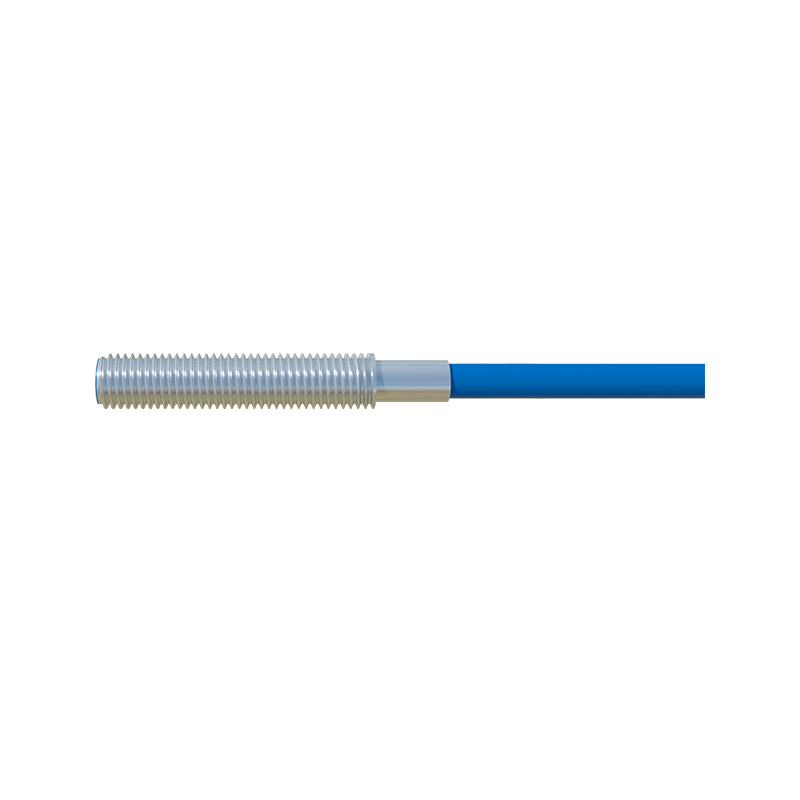
The future of proximity sensing in CNC points towards smarter, networked systems. IO-Link enabled sensors not only provide a simple on/off signal but also transmit detailed diagnostic data—such as operating temperature, signal strength, and device health—directly to the control system. This facilitates predictive maintenance, where a controller can alert an operator to a sensor that is degrading before it fails completely, minimizing unplanned downtime.
In conclusion, proximity sensors are the silent sentinels of the CNC world. They transform a powerful but blind machine into an intelligent, self-aware system. By providing critical, non-contact feedback on tool status, workpiece location, and safety parameters, they enhance precision, protect capital investment, and ensure operational safety. Their continued evolution towards greater intelligence and connectivity will further solidify their role as an indispensable component in the advancement of automated, high-precision manufacturing.