In the realm of industrial automation and control, sensors act as the essential sensory organs, providing critical data for machines and systems. Among the diverse sensor families, photoelectric proximity switch sensors stand out for their versatility, reliability, and non-contact operation. These devices detect the presence, absence, or distance of an object using a beam of light, making them indispensable in countless applications where physical touch is undesirable or impractical.
The fundamental operating principle of a photoelectric sensor is elegantly simple. It consists of two core components: an emitter (light source) and a receiver (photodetector). The emitter projects a beam of light—commonly visible red, infrared, or laser light. The receiver is tuned to detect this specific light. Detection occurs when the target object interacts with this light beam. This interaction is harnessed through three primary sensing modes: through-beam, retro-reflective, and diffuse reflective.
The through-beam sensor, also known as the opposed mode, features separate, opposing units for the emitter and receiver. The emitter continuously sends a light beam directly to the receiver. An object is detected when it physically breaks this beam. This configuration offers the longest sensing range and highest reliability, as it is largely immune to the object's color, surface finish, or angle. It is ideal for precise detection over distances of several meters, such as in material handling for counting boxes on a conveyor or in safety systems to create light curtains.
Retro-reflective sensors house both the emitter and receiver in a single housing. The unit projects light toward a specially designed reflector, which bounces the beam directly back to the receiver. Detection occurs when an object interrupts the path between the sensor and the reflector. This mode provides a good balance of range and convenience, as it requires wiring only on one side. A key feature is the use of polarizing filters to prevent false triggers from shiny objects that might otherwise reflect light directly back like the reflector would.
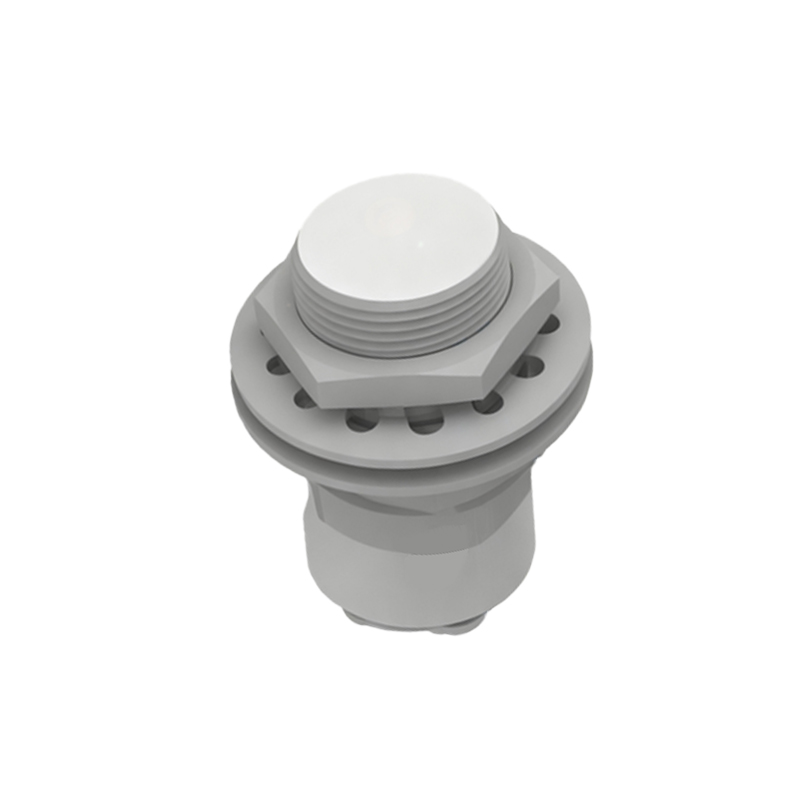
The diffuse reflective sensor, or proximity mode, also integrates the emitter and receiver. It operates by detecting light reflected directly off the surface of the target object itself. The sensor emits light, and the receiver waits for a sufficient amount of this scattered light to return. The sensing distance is therefore dependent on the object's size, color, and surface texture—light-colored, matte surfaces reflect better than dark, glossy ones. This self-contained design is extremely popular for short-range detection tasks, such as detecting a bottle on a filling line or monitoring the position of a robotic arm.
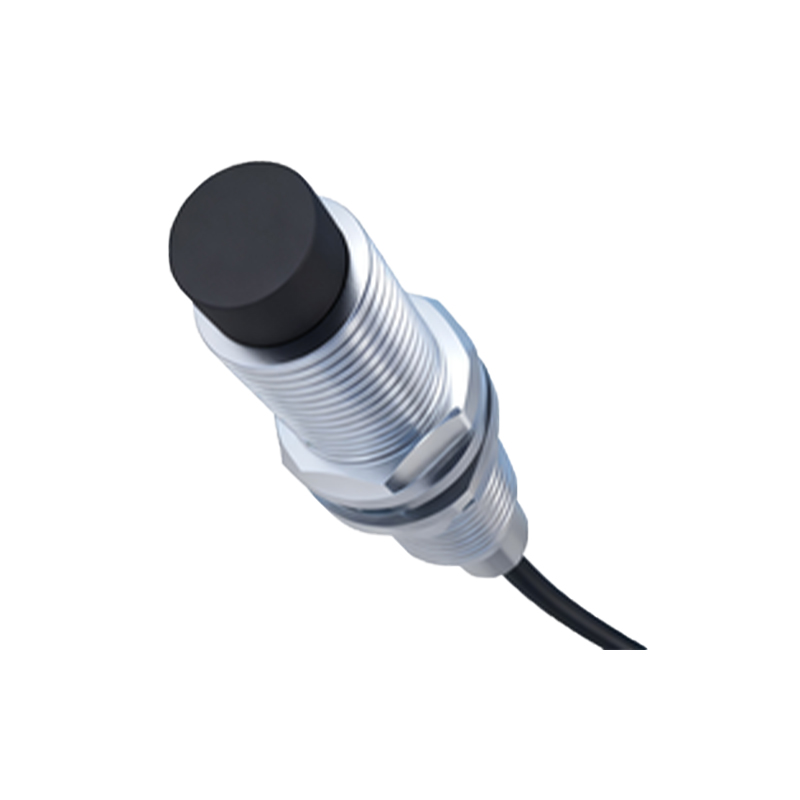
Beyond these core types, advanced versions like background suppression and convergent beam sensors offer solutions for challenging detection scenarios. Background suppression sensors can reliably detect an object at a precise distance while ignoring objects or surfaces behind it. Convergent beam models focus the emitted light to a specific point, allowing for the detection of very small objects.
The advantages of photoelectric proximity switches are numerous. Their non-contact nature eliminates mechanical wear and tear, ensuring a long operational life. They can detect virtually any material—metal, plastic, wood, glass, or liquid—as long as it affects the light beam. They offer fast response times, suitable for high-speed production lines. Furthermore, modern sensors are built to be robust, with housings rated for IP67 or higher, allowing them to perform in harsh environments with dust, moisture, or vibration.
Industrial applications are vast and varied. In packaging, they count, inspect, and control the flow of products. In automotive assembly, they verify part presence and positioning. In the food and beverage industry, they monitor fill levels and label positions. On automated guided vehicles (AGVs), they serve as collision avoidance sensors. In warehouse logistics, they manage inventory by reading barcodes or detecting pallets. Their role in ensuring efficiency, safety, and quality control is pervasive.
When selecting a photoelectric sensor, several factors must be considered. The required sensing range and the mode of operation are primary. The environmental conditions—exposure to washdowns, temperature extremes, or ambient light interference—dictate the needed housing and lens material. The output type (e.g., NPN/PNP transistor, analog, or IO-Link) must be compatible with the control system. Finally, the specific properties of the target object, particularly its color and reflectivity, are crucial for choosing the correct sensor type, especially for diffuse models.
In conclusion, photoelectric proximity switch sensors are a cornerstone of modern industrial sensing. Their ability to provide accurate, non-contact detection across a wide spectrum of conditions makes them a flexible and powerful tool for engineers and system integrators. As technology advances, these sensors continue to evolve with features like longer ranges, smaller sizes, and smarter communication protocols, solidifying their critical role in the automated factories and intelligent systems of today and tomorrow.