In today's interconnected world, sensors serve as the fundamental building blocks of countless technological systems. These devices detect and respond to inputs from the physical environment, converting phenomena such as heat, light, motion, or pressure into measurable signals. The diversity of sensor types enables their integration across industries, from consumer electronics to industrial automation and healthcare. Understanding the primary categories of sensors is essential for grasping their role in advancing innovation.
One of the most common sensor types is the temperature sensor. These devices measure thermal energy in solids, liquids, or gases, providing critical data for climate control, medical devices, and manufacturing processes. Thermocouples, resistance temperature detectors (RTDs), and thermistors are widely used variants, each with distinct operating principles and accuracy levels. For instance, thermocouples generate voltage proportional to temperature differences, making them suitable for high-temperature industrial applications, while thermistors offer high sensitivity in narrower ranges for consumer appliances.
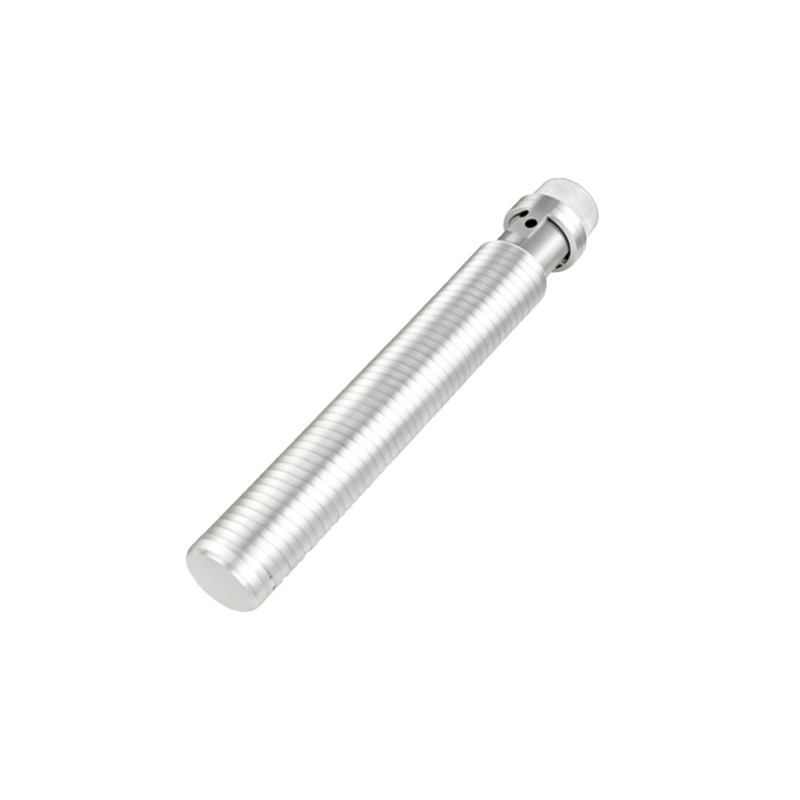
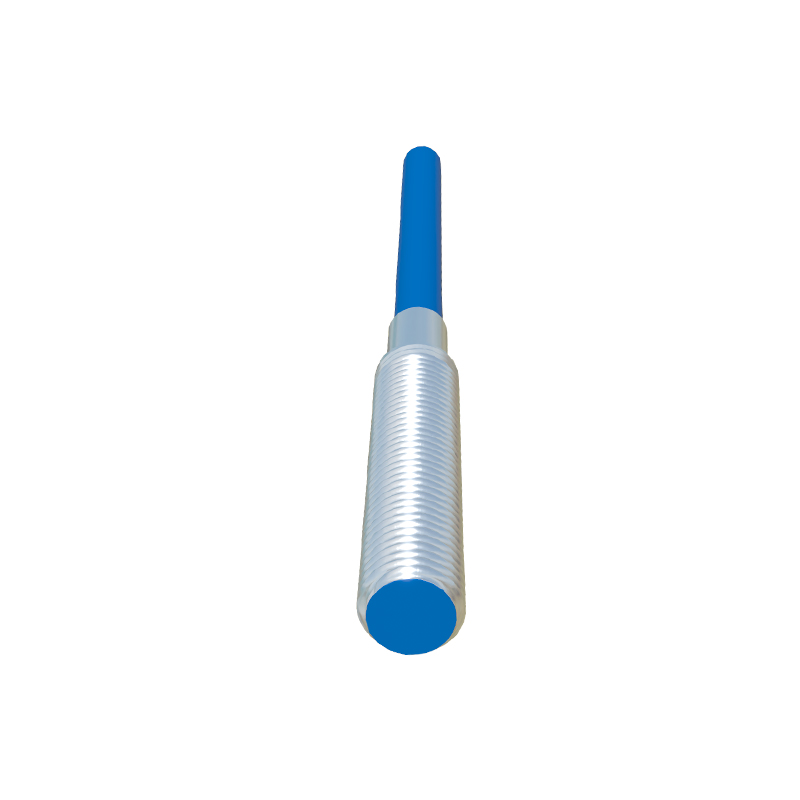
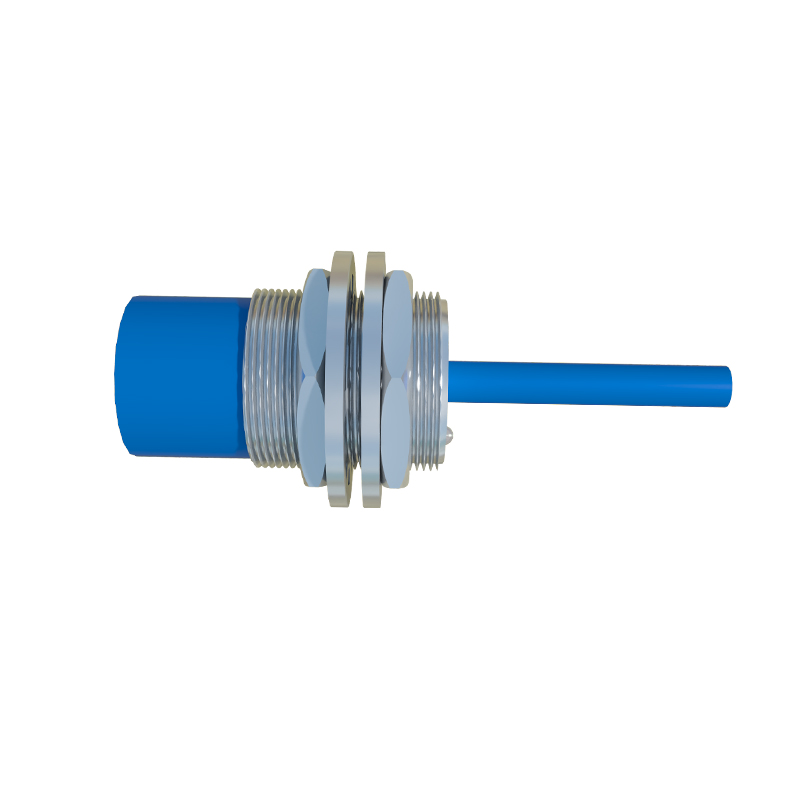
Proximity sensors represent another vital category, detecting the presence or absence of objects without physical contact. Inductive proximity sensors use electromagnetic fields to identify metallic objects, commonly applied in automotive assembly lines and robotics. Capacitive sensors, on the other hand, can detect both metallic and non-metallic materials, including liquids, making them useful in food processing and packaging industries. Ultrasonic proximity sensors emit sound waves to calculate distance, enabling precise object detection in challenging environments like dusty warehouses.
Optical sensors, including photodetectors and infrared sensors, respond to light or other electromagnetic radiation. They form the core of applications such as automatic lighting systems, barcode scanners, and optical communication devices. In smartphones, ambient light sensors adjust screen brightness based on surrounding illumination, enhancing user experience and battery efficiency. Infrared sensors are particularly valuable in security systems for motion detection and in healthcare for non-contact temperature measurement.
Pressure sensors measure force per unit area, translating physical pressure into electrical signals. Piezoelectric sensors generate charge when mechanically stressed, ideal for dynamic pressure monitoring in aerospace and automotive testing. Strain gauge sensors detect minute deformations in structures, supporting structural health monitoring in bridges and buildings. In medical settings, pressure sensors enable accurate blood pressure monitoring and respiratory device operation.
Motion sensors, including accelerometers and gyroscopes, track movement and orientation. Accelerometers measure linear acceleration, enabling features like screen rotation in mobile devices and collision detection in vehicles. Gyroscopes detect angular velocity, providing stabilization in drones and virtual reality systems. The fusion of these sensors in inertial measurement units (IMUs) has revolutionized navigation, robotics, and wearable technology.
Chemical sensors analyze chemical compositions in environments, playing crucial roles in environmental monitoring, industrial safety, and medical diagnostics. Electrochemical sensors detect gases like carbon monoxide or oxygen levels, ensuring workplace safety in mining and manufacturing. Biosensors, a subset, use biological elements to identify specific substances, such as glucose sensors for diabetes management.
Humidity sensors measure moisture content in air, essential for climate control in greenhouses, data centers, and pharmaceutical storage. Capacitive humidity sensors, which rely on changes in dielectric constant, offer high accuracy and stability for weather stations and HVAC systems.
The selection of an appropriate sensor type depends on factors like accuracy, range, environmental conditions, and cost. Emerging trends, such as the Internet of Things (IoT), drive demand for miniaturized, energy-efficient sensors with wireless connectivity. Innovations in materials science, including nanomaterials and flexible electronics, promise enhanced sensitivity and new applications in smart textiles and biodegradable devices.
In summary, sensors bridge the physical and digital worlds, enabling automation, safety, and efficiency. As technology evolves, sensor types will continue to diversify, fostering advancements in artificial intelligence, autonomous systems, and sustainable solutions. Their pervasive presence underscores their importance in shaping a smarter, more responsive future.