Proximity sensors are a cornerstone of modern automation and smart technology. These non-contact devices detect the presence or absence of an object within a defined range, triggering an action without physical touch. Their ability to operate reliably in harsh environments, provide high-speed response, and offer long service life makes them indispensable across countless industries. This guide explores the vast and varied applications of proximity sensors, moving beyond basic concepts to their real-world implementations.
In the realm of industrial automation, proximity sensors are the silent workhorses. On assembly lines, inductive sensors detect metallic components like gears or engine blocks, ensuring correct positioning for robotic arms. Capacitive sensors, which can detect non-metallic materials, are used to monitor levels of liquids, powders, or granules in plastic or glass containers. In packaging machinery, sensors verify the presence of a product before sealing, count items on a conveyor belt, and ensure labels are applied correctly. Machine safety is another critical area; sensors create safety curtains or zones around dangerous equipment, immediately halting operation if a worker breaches the perimeter, preventing accidents.
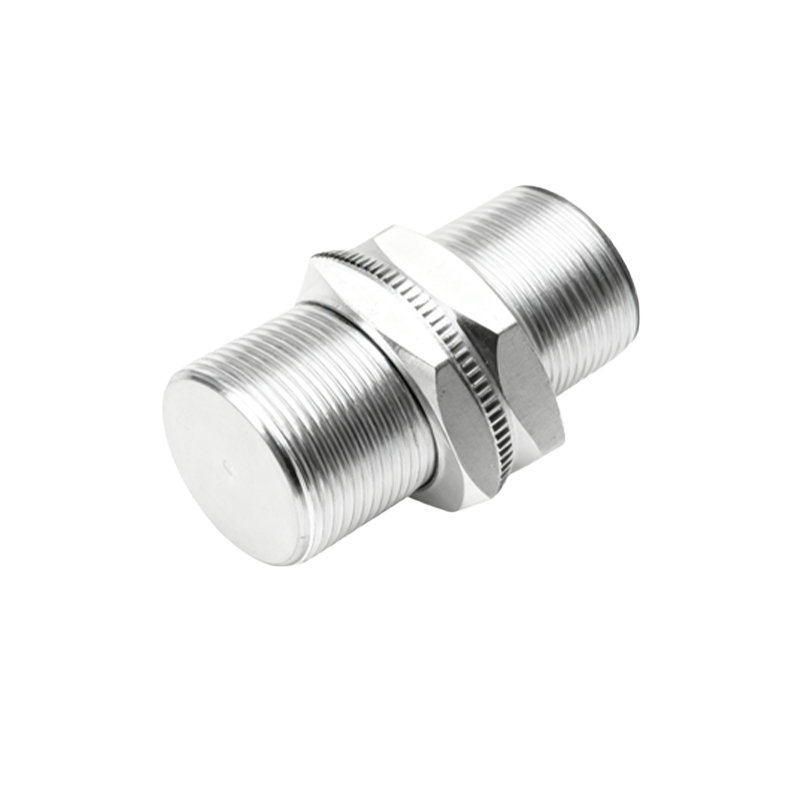
The automotive industry integrates proximity sensors for both manufacturing and within the vehicle itself. During production, they ensure precision in welding robots and confirm part placement. In the finished car, they enable keyless entry systems, activate automatic trunk opening with a foot gesture, and power parking assist systems. Ultrasonic sensors in bumpers measure distances to obstacles, providing audible or visual warnings to the driver. Inside the cabin, infrared sensors can detect a passenger's presence to manage airbag deployment force or remind the driver of an occupied rear seat.
Consumer electronics are perhaps the most visible application for the average person. Smartphones use infrared or capacitive proximity sensors to turn off the touchscreen display during a phone call when held to the ear, saving power and preventing accidental screen presses. Laptops employ them to detect when the lid is closed, triggering sleep mode. Automatic faucets, soap dispensers, and hand dryers in public restrooms rely on infrared sensors for hygienic, hands-free operation. Modern televisions and monitors often include ambient light sensors that adjust screen brightness based on room lighting, improving viewing comfort and energy efficiency.
In the building automation and security sector, proximity sensors enhance convenience, safety, and efficiency. They automatically control lighting in hallways, storage rooms, or parking garages, turning lights on upon detecting motion and off after a period of inactivity. Access control systems use RFID or magnetic sensors to read keycards for door entry. Security alarms utilize sensors on doors and windows to detect unauthorized opening. Even elevators use them to ensure doors do not close when a passenger is entering or exiting.
The food and beverage and pharmaceutical industries have stringent hygiene requirements, making certain sensor types ideal. Washdown-resistant capacitive or ultrasonic sensors monitor fill levels in stainless steel tanks without direct contact with the product. They detect the presence of bottles, caps, or labels on high-speed production lines. In pharmaceutical packaging, sensors verify the presence of a leaflet inside a box before it is sealed, ensuring regulatory compliance.
Emerging and specialized applications continue to expand the sensor's role. In agriculture, sensors on automated harvesting equipment help guide machinery and detect crop rows. Drones use them for terrain following and obstacle avoidance. Robotics, from industrial arms to domestic vacuum cleaners, depend on arrays of proximity sensors for navigation and object interaction. In the medical field, they are used in equipment for precise fluid level detection and patient positioning systems.
Selecting the right proximity sensor—inductive, capacitive, ultrasonic, photoelectric, or magnetic—depends on the target material, required sensing distance, environmental conditions (temperature, dust, moisture), and response speed. Understanding these factors is key to a successful application. As technology advances, sensors are becoming smaller, smarter, more energy-efficient, and integrated with IoT connectivity, paving the way for even more innovative uses in smart cities, advanced robotics, and personalized automation, solidifying their role as fundamental enablers of an automated world.