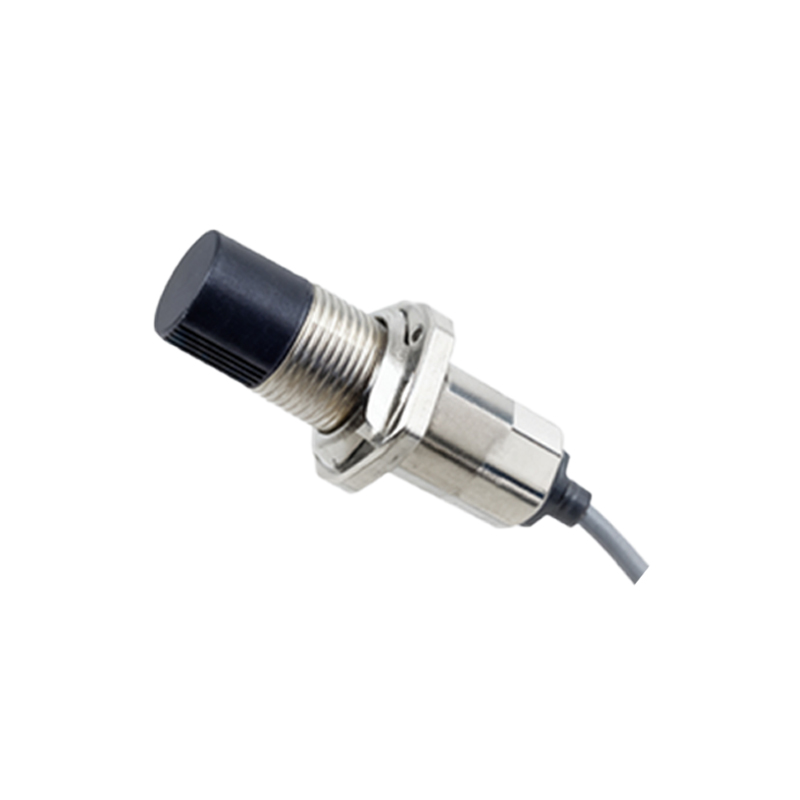
Capacitive proximity sensors have become indispensable components in various industrial and consumer applications, offering a unique blend of sensitivity, versatility, and reliability. Unlike their inductive counterparts that detect only metals, capacitive sensors can detect a wide range of materials, including liquids, plastics, glass, wood, and granular substances. This fundamental advantage stems from their operating principle: they generate an electrostatic field and detect changes in capacitance caused by the presence of any material that alters the dielectric constant of the sensing field.
One of the primary strengths of capacitive sensors is their ability to sense through non-metallic barriers. This allows for innovative installation solutions where the sensor can be mounted behind a container wall, such as plastic or glass, to detect material levels without direct contact. This non-invasive sensing capability is crucial in hygienic environments like food and beverage processing or pharmaceutical manufacturing, where maintaining sealed containers is paramount to prevent contamination. The sensor remains isolated from the often harsh or corrosive material it is monitoring, significantly enhancing its longevity and reducing maintenance needs.
Furthermore, these sensors exhibit remarkable sensitivity and can be finely tuned. Most models feature a potentiometer for sensitivity adjustment, enabling users to calibrate the sensing distance and ignore interfering backgrounds, such as the container wall itself. This adjustability allows a single sensor model to be adapted for diverse applications, from detecting the precise fill level of a liquid in a bottle to sensing the presence of a wooden panel on a conveyor belt. Their sensitivity also makes them excellent for detecting very small objects or thin materials that might challenge other sensing technologies.
Robustness and low maintenance are key operational advantages. With no moving parts and solid-state construction, capacitive proximity sensors are highly resistant to vibration, shock, and wear. They are often housed in rugged enclosures rated for demanding industrial environments, featuring high Ingress Protection (IP) ratings for resistance to dust and water. This durability translates to reduced downtime and lower total cost of ownership over the sensor's lifecycle, a critical factor for continuous production lines.
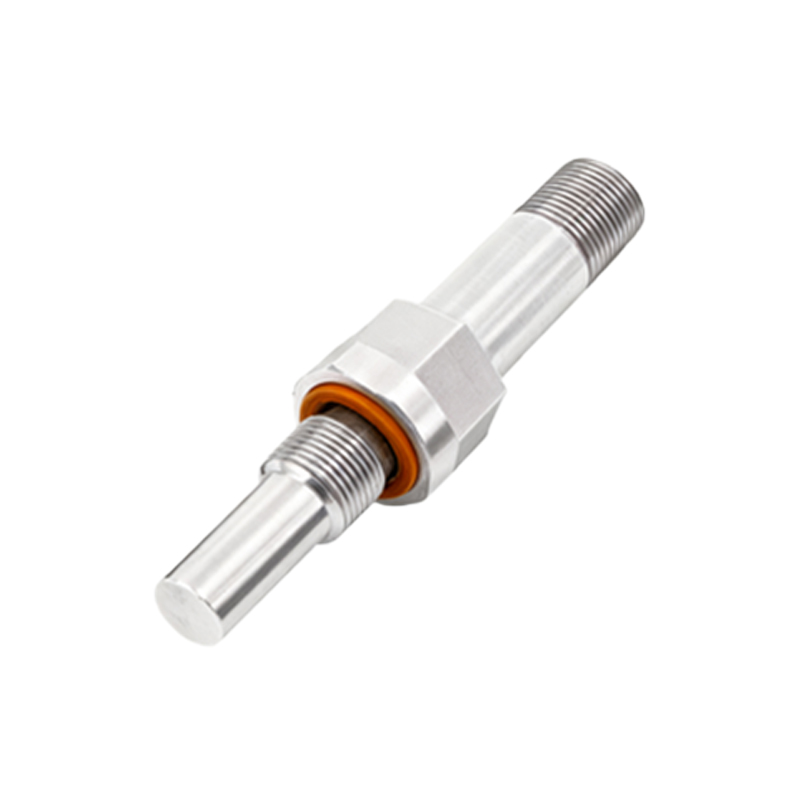
Another significant benefit is their consistent performance independent of target color, transparency, or surface reflectivity. Optical sensors can struggle with dark, transparent, or shiny materials, but capacitive sensors rely on material density and dielectric properties, ensuring reliable detection regardless of visual characteristics. This makes them perfectly suited for applications involving clear bottles, dark plastics, or varnished woods, where other sensors might produce false triggers or fail to detect the object altogether.
In terms of integration, modern capacitive sensors are designed for easy connectivity with programmable logic controllers (PLCs) and other automation systems. They typically provide standard output signals (e.g., PNP/NPN, analog, IO-Link) and come in a variety of form factors, including cylindrical barrels, rectangular blocks, and ring-shaped designs for level sensing in pipes. This flexibility simplifies the design and upgrade of automated systems.
From packaging and material handling to woodworking, agriculture, and automotive assembly, the advantages of capacitive proximity sensors—material versatility, non-contact sensing through barriers, tunable sensitivity, environmental robustness, and visual-independent operation—make them a powerful and reliable choice for solving complex detection challenges in the modern automated world.