In the world of industrial automation and smart devices, proximity sensors play a crucial, yet often unseen, role. These electronic devices are designed to detect the presence or absence of an object within a specific range without any physical contact. This non-contact detection capability is their defining feature, making them indispensable for tasks requiring reliability, speed, and durability in harsh environments. From ensuring a car door is fully closed to precisely positioning a robotic arm on an assembly line, proximity sensors are the silent sentinels of modern technology.
The core function of a proximity sensor is to emit a field or beam of electromagnetic radiation and look for changes in the field or return signal. The object being detected is often termed the target. Different sensor technologies are employed based on the target material, required sensing distance, environmental conditions, and cost considerations. The most common types include inductive, capacitive, ultrasonic, and photoelectric sensors.
Inductive proximity sensors are perhaps the most widely used in industrial settings. They generate an oscillating electromagnetic field. When a metallic target enters this field, it induces eddy currents within the metal, which causes a change in the oscillation amplitude. The sensor's circuit detects this change and triggers a switch. These sensors are exceptionally robust, ideal for detecting metals like steel, aluminum, or copper, and are commonly found in machine tools, automotive manufacturing, and material handling systems. Their sensing range is typically limited to a few millimeters to several centimeters.
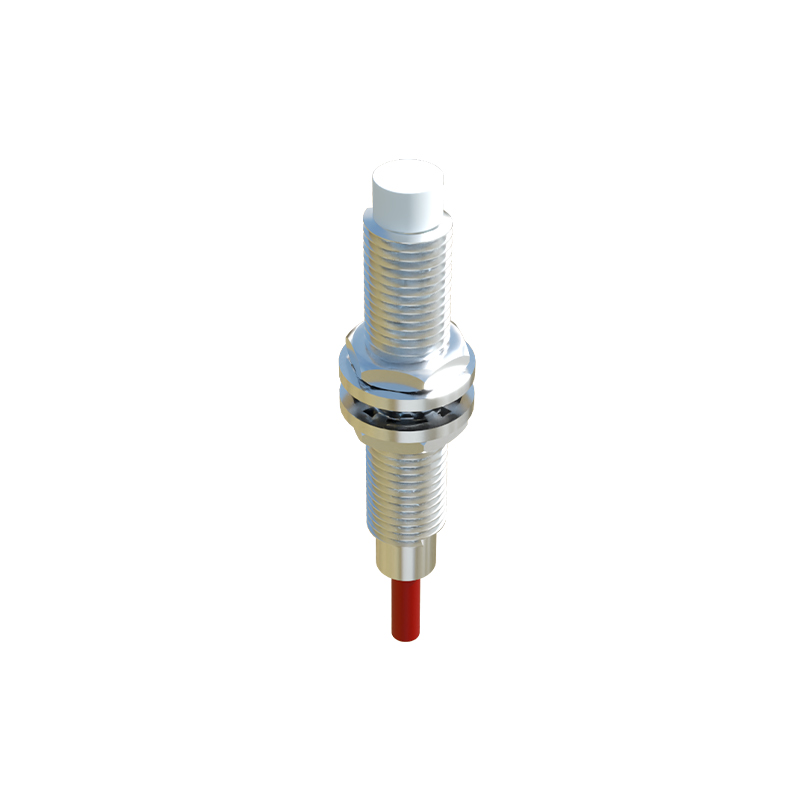
For non-metallic targets, capacitive proximity sensors are the go-to solution. They operate by generating an electrostatic field. Any object that enters this field, be it plastic, wood, liquid, or even a human hand, alters the capacitance of the sensor's circuit. This change is detected, and an output signal is produced. This makes them versatile for applications like level detection in tanks (for liquids or granules), material handling of cardboard or glass, and touch-sensitive interfaces. They generally have a shorter sensing range than inductive types and can be sensitive to environmental factors like humidity.
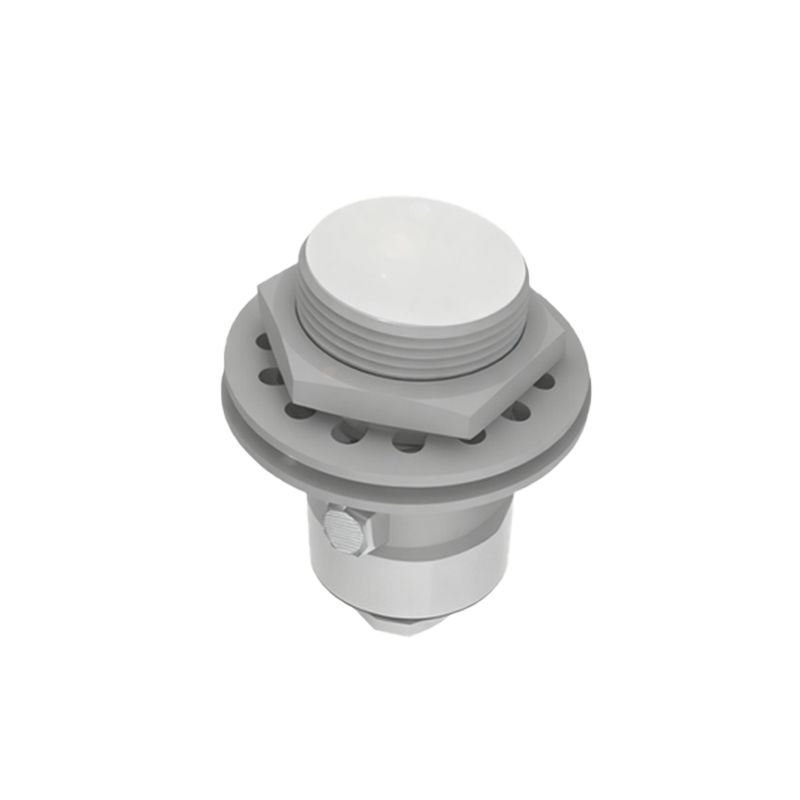
Ultrasonic sensors use sound waves beyond the range of human hearing. They emit high-frequency sound pulses and measure the time it takes for the echo to return after bouncing off a target. By calculating this time-of-flight, the sensor can determine both the presence and the distance to the object. This technology is effective for detecting objects of virtually any material, shape, or color, and is excellent for longer ranges and challenging conditions like dust or fog. Applications include pallet detection in warehouses, collision avoidance in automated guided vehicles (AGVs), and liquid level sensing.
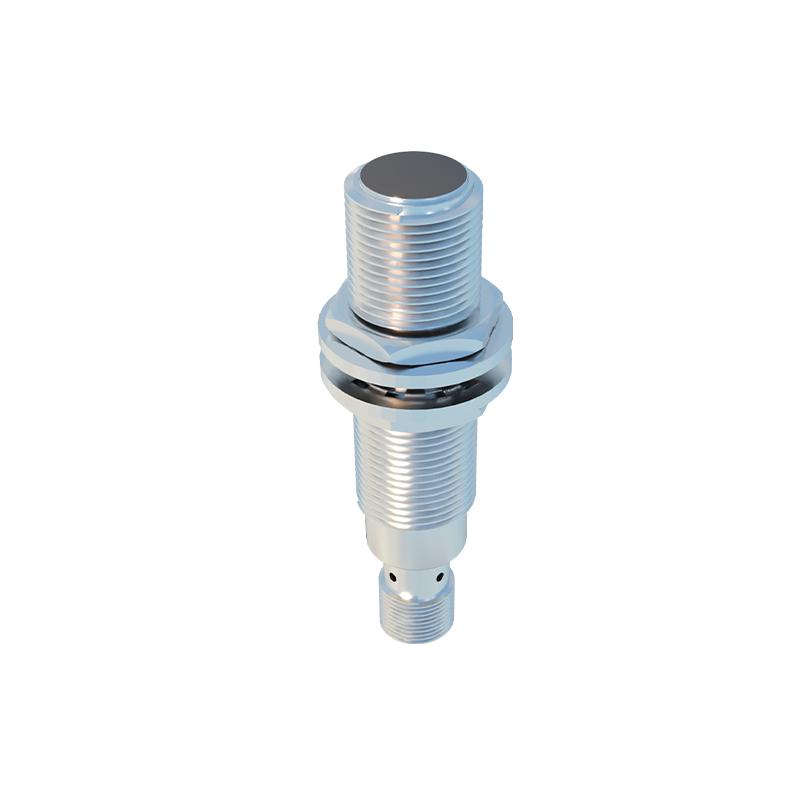
Photoelectric sensors, or photo-eyes, operate on the principle of light transmission. An emitter sends out a beam of light (visible, infrared, or laser), and a receiver detects it. The presence of an object is detected either by the interruption of the beam (through-beam mode), by the reflection of the beam off the target back to a receiver housed in the same unit (retro-reflective or diffuse reflective modes). They offer the longest sensing ranges and high precision, used for detecting small parts, counting objects on a conveyor, and in packaging machinery.
The output from these sensors is typically a simple digital signal—either ON or OFF. This signal is fed into a controller like a Programmable Logic Controller (PLC), which then initiates the next action in a process, such as stopping a motor, activating a solenoid, or incrementing a counter. Modern sensors also offer analog outputs for distance-proportional signals and various communication protocols for networked systems.
Selecting the right proximity sensor requires careful consideration. Engineers must evaluate the target material, the required sensing distance (with a safety margin), the operating environment (temperature, presence of chemicals or washdowns), the required switching frequency, and the electrical output type needed. Installation is also critical; sensors must be mounted correctly to avoid interference from surrounding metal or other sensors.
In conclusion, proximity sensors are fundamental components that enable automation, enhance safety, and improve efficiency across countless industries. Their ability to provide reliable, non-contact detection solves myriad challenges in manufacturing, automotive, food and beverage, and consumer electronics. As technology advances, these sensors continue to become smarter, smaller, and more integrated, forming the essential sensory layer of the Internet of Things (IoT) and Industry 4.0, where machines not only perform tasks but also perceive and interact with their physical surroundings intelligently.