In industrial environments where extreme heat is a constant factor, the reliability and accuracy of sensing equipment become paramount. High temperature proximity sensors are specialized devices engineered to perform consistently and accurately in these demanding thermal conditions. Unlike standard proximity sensors, which may fail or provide erratic readings when exposed to elevated temperatures, these robust sensors are built from the ground up to withstand thermal stress. Their core design philosophy revolves around maintaining precise detection capabilities—whether for presence, absence, or position of an object—without succumbing to the environmental challenges posed by heat-intensive processes.
The defining characteristic of these sensors is their exceptional thermal tolerance. While conventional inductive or capacitive sensors might be rated for operations up to 70-80°C, high-temperature variants are specifically designed to function reliably in ambient temperatures ranging from 150°C to over 250°C, with some specialized models capable of enduring even higher extremes. This capability is not merely about survival; it is about maintaining specified sensing ranges, response times, and output stability. The achievement of this tolerance is a result of meticulous engineering in several key areas. First, the housing and internal components are constructed from materials with high melting points and excellent thermal stability, such as specific grades of stainless steel, ceramics, and high-temperature plastics like PEEK or PTFE. These materials prevent deformation, cracking, or degradation that could compromise the sensor's integrity.
Internally, the electronic components and wiring are equally critical. Standard solders can melt, and common wire insulations can crack or burn. Therefore, high-temperature sensors utilize high-temp solders, ceramic-based circuit boards, and wiring with insulation made from materials like fiberglass or Teflon. This ensures that the electrical pathways remain intact and functional. Furthermore, the sensing technology itself is adapted. For instance, in high-temperature inductive sensors, the coil design and the ferrite core material are selected to minimize performance drift with temperature changes. Advanced designs often incorporate temperature compensation circuits that actively adjust the sensor's signal processing to counteract the effects of heat on its electronic components, ensuring a stable output signal regardless of ambient temperature fluctuations.
Another significant feature is their robust physical construction. They are typically housed in rugged, sealed enclosures rated with high Ingress Protection (IP) codes, such as IP67 or IP69K. This sealing serves a dual purpose: it protects the sensitive internals from external contaminants like dust, coolant, or metal shavings commonly found in industrial settings, and it also contains any potential internal outgassing of materials at high temperatures. The sensing face is often made of a high-temperature-resistant ceramic or specially coated metal to prevent damage from direct contact with hot objects.
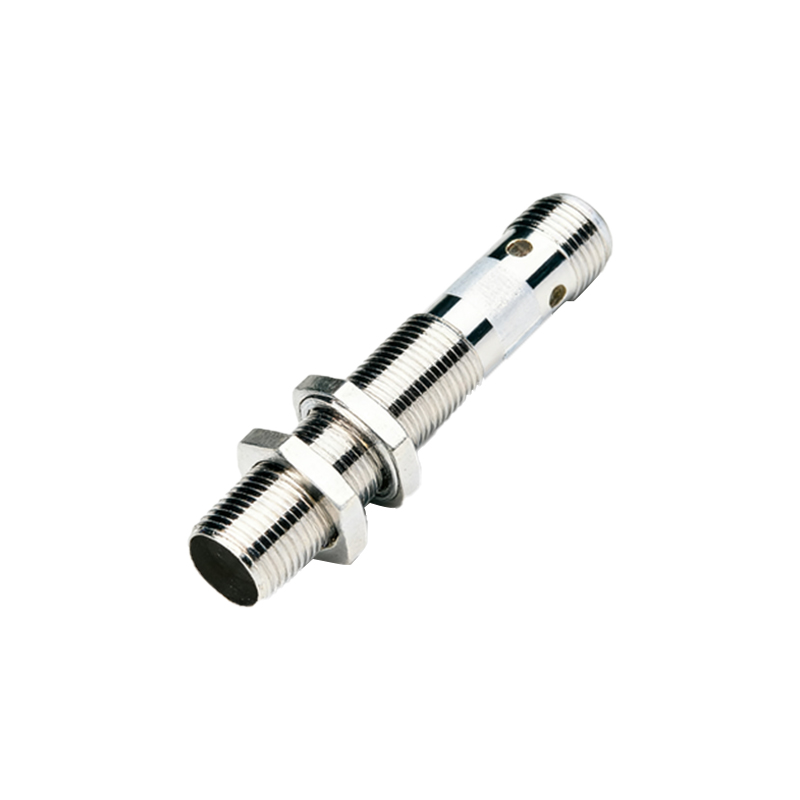
The applications for high-temperature proximity sensors are vast and vital across heavy industry. In metal processing, they are indispensable for position sensing in rolling mills, continuous casting lines, and near furnaces where molten metal or red-hot billets are present. The automotive manufacturing sector relies on them in painting and curing ovens to monitor the position of car bodies on conveyor lines. In the glass industry, they monitor bottle and container positions in annealing lehrs. They are also crucial in plastic injection molding machines, where they detect molds or components in high-heat zones, and in food processing within industrial ovens and sterilizers. In each case, their failure could lead to production downtime, safety hazards, or significant product quality issues.
When selecting a high-temperature proximity sensor, several factors beyond just the maximum temperature rating must be considered. The sensing distance, which may be reduced at higher temperatures, is a key parameter. The required output type (e.g., PNP, NPN, analog, or IO-Link) must be compatible with the control system. The sensor's housing size and shape must fit the mechanical installation constraints. Resistance to thermal cycling—repeated heating and cooling—is also crucial, as it can cause material fatigue. Finally, compliance with industry-specific standards for safety and performance is often mandatory.
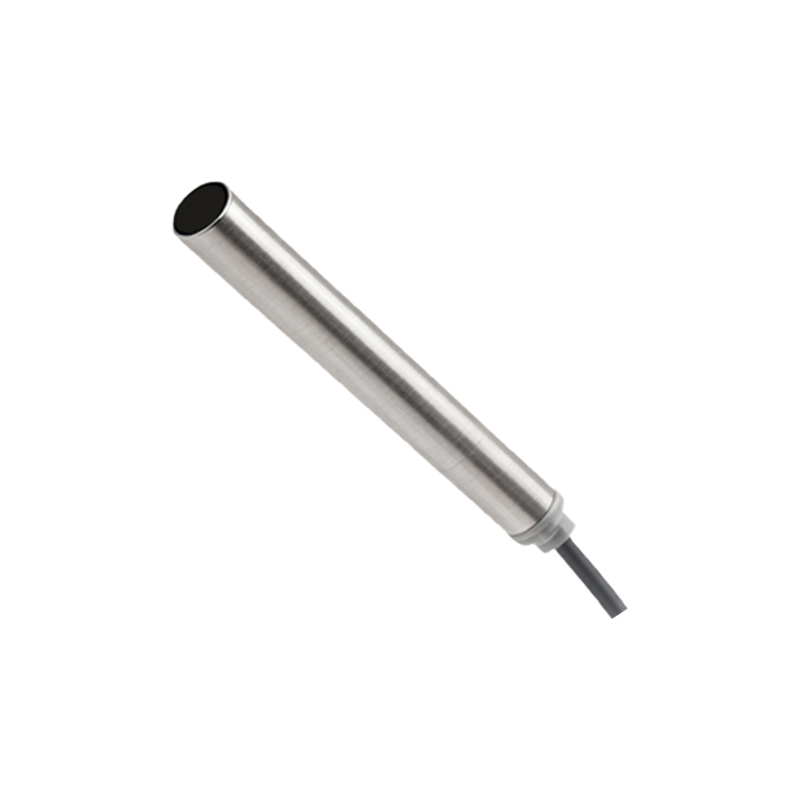
In conclusion, high-temperature proximity sensors are not merely hardened versions of standard sensors; they are purpose-built technological solutions that enable automation and control in the most thermally hostile environments. Their characteristics—superior material science, temperature-compensated electronics, and rugged sealing—directly translate into operational reliability, safety, and efficiency. For engineers and plant managers, understanding these features is essential for selecting the right sensor to ensure uninterrupted and safe production where the heat is on.