Cylindrical proximity sensors are widely used in industrial automation for detecting the presence or absence of objects without physical contact. These sensors are known for their robust design, reliability, and versatility in various applications. One of the key features of cylindrical proximity sensors is their compact and durable housing, typically made of stainless steel or nickel-plated brass, which provides resistance to harsh environments such as dust, moisture, and mechanical impacts. This makes them suitable for use in manufacturing, packaging, and automotive industries.
Another important characteristic is their sensing technology. Cylindrical proximity sensors are available in different types, including inductive, capacitive, and magnetic variants. Inductive sensors are commonly used for detecting metallic objects, utilizing an electromagnetic field to sense ferrous and non-ferrous metals. Capacitive sensors, on the other hand, can detect both metallic and non-metallic materials by measuring changes in capacitance. Magnetic sensors are ideal for applications involving permanent magnets or magnetic fields. Each type offers specific advantages, such as high precision, fast response times, and immunity to environmental interference.
The sensing range is a critical feature that varies depending on the sensor model and technology. Typically, cylindrical proximity sensors offer ranges from a few millimeters to several centimeters, allowing for flexible installation and operation. Many models also feature adjustable sensing distances, enabling customization for specific tasks. Additionally, these sensors often come with built-in LED indicators for status monitoring, which simplifies troubleshooting and maintenance.
Electrical output options are another aspect to consider. Cylindrical proximity sensors can provide digital outputs such as NPN or PNP, as well as analog outputs for continuous measurement. They are designed to operate with standard voltage levels, including 10-30V DC or 20-250V AC, ensuring compatibility with various control systems. Some advanced models incorporate short-circuit and overload protection, enhancing safety and longevity in demanding applications.
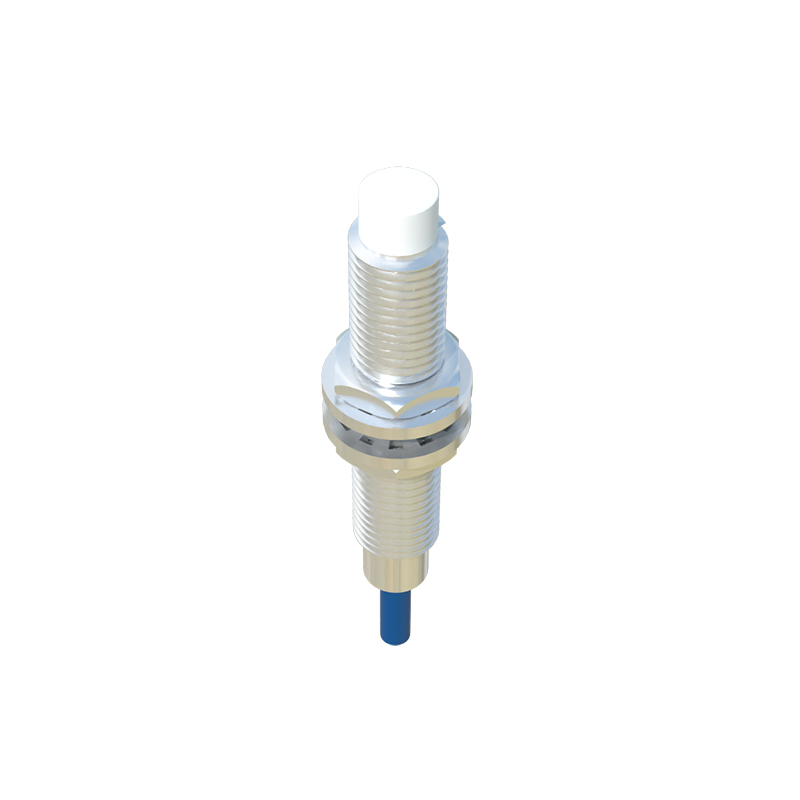
Installation and mounting flexibility contribute to the popularity of cylindrical proximity sensors. Their threaded barrel design allows for easy integration into machinery using standard nuts or brackets. Many sensors are available with different thread sizes, such as M8, M12, M18, or M30, catering to diverse industrial requirements. Furthermore, they can be configured as normally open or normally closed, providing adaptability in circuit design.
In terms of performance, cylindrical proximity sensors exhibit high switching frequencies, enabling rapid detection in high-speed processes. They also offer excellent repeat accuracy, ensuring consistent operation over time. Environmental ratings, such as IP67 or IP69K, indicate resistance to water and dust ingress, making them suitable for washdown areas or outdoor use.
Overall, cylindrical proximity sensors combine durability, precision, and ease of use, making them essential components in modern automation systems. Their ability to operate reliably under challenging conditions while maintaining accuracy underscores their value in improving efficiency and safety across industries.