Proximity sensors are ubiquitous in modern technology, and the "DY" series represents a significant category within this field. These sensors operate without physical contact, detecting the presence or absence of an object within a specified range. The core principle involves emitting an electromagnetic field or a beam of radiation, such as infrared light, and then looking for changes in the field or return signal. The "DY" designation often refers to a specific model line or series known for particular characteristics, which may include robust construction, specific sensing ranges, or output types suitable for demanding industrial environments.
A key advantage of proximity sensor DY units is their reliability in harsh conditions. Unlike mechanical switches, they have no moving parts that can wear out from physical contact. This makes them ideal for applications involving high cycle rates or dirty environments where contaminants could jam a mechanical device. Common output types include NPN (sinking), PNP (sourcing), and analog configurations, allowing for seamless integration with various programmable logic controllers (PLCs) and control systems. The sensing distance, a critical parameter, varies between models. Some DY sensors are designed for short-range detection of a few millimeters, perfect for precise positioning, while others can detect objects several centimeters away.
The applications for these sensors are vast and span multiple industries. In automotive manufacturing, DY proximity sensors are used on assembly lines to verify the presence of components, count parts, and control robotic arms. In packaging machinery, they ensure products are correctly positioned for sealing or labeling. Material handling systems rely on them to detect pallets and control conveyor belt operations. Furthermore, their inherent durability makes them suitable for outdoor or washdown applications in food and beverage processing, where equipment must withstand frequent cleaning.
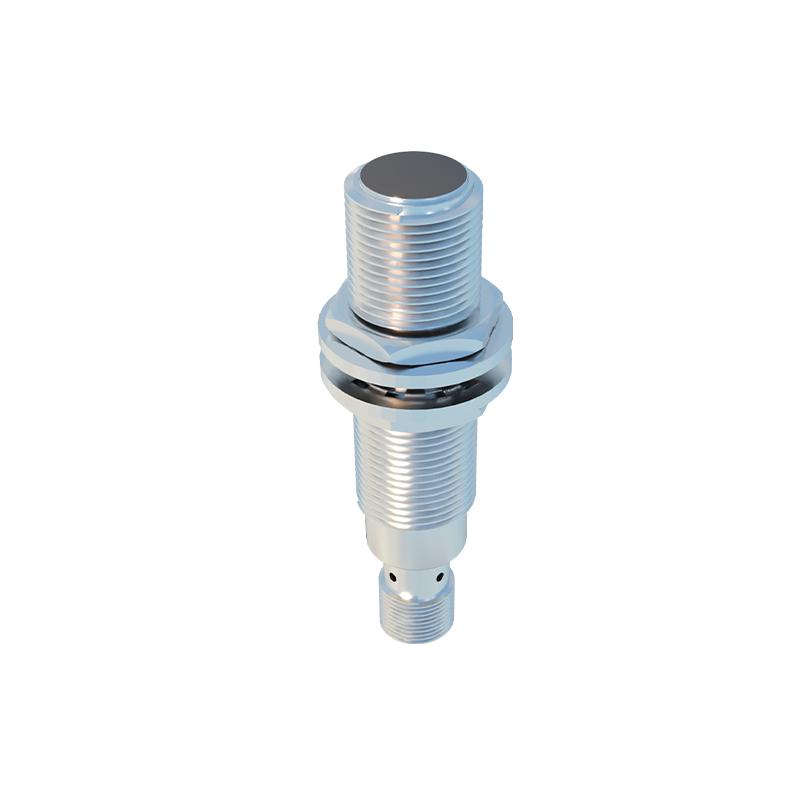
When selecting a proximity sensor DY model, several factors must be considered. First, the sensing object material is crucial. Inductive sensors, a common type in the DY series, detect only metallic objects, typically ferrous metals like steel and iron. For non-metallic materials like plastic, wood, or liquid, a capacitive DY sensor would be the appropriate choice. Second, the operating environment dictates the required housing material and protection rating. Stainless steel housings with high IP (Ingress Protection) ratings, such as IP67 or IP69K, are necessary for environments exposed to moisture, oils, or extreme temperatures. Third, the electrical characteristics must match the control system, including the supply voltage (e.g., 10-30V DC) and output current capacity.
Installation and wiring are straightforward but require attention to detail. The sensor must be mounted securely to prevent vibration from affecting its performance. It is also vital to maintain the specified nominal sensing distance, ensuring the target object enters the detection field reliably. A common mistake is installing the sensor too close to a metal background, which can cause false triggering or a reduced sensing range—a phenomenon known as shielding effect. Proper grounding and the use of shielded cables in electrically noisy environments can prevent interference and ensure stable operation.
Maintenance for these devices is generally minimal. Periodic checks should involve cleaning the sensing face to remove any buildup of dirt, grease, or metal shavings that could impede detection. Verifying the electrical connections for corrosion or looseness is also good practice. Despite their robustness, sensors can fail. Troubleshooting typically involves checking the power supply, measuring the output signal with a multimeter, and ensuring the target object is within the correct material and size specifications for the sensor.
The evolution of proximity sensor technology continues, with DY series models incorporating advanced features. Some now offer IO-Link communication, enabling digital parameter setting, remote diagnostics, and condition monitoring. This smart sensor capability allows for predictive maintenance, reducing downtime. Others feature enhanced resistance to welding fields or specific chemicals, expanding their utility in specialized industrial niches. As automation and Industry 4.0 initiatives advance, the role of reliable, intelligent sensing components like the proximity sensor DY becomes increasingly central to efficient and connected manufacturing operations.
In conclusion, the proximity sensor DY represents a versatile and critical component in automation. Its non-contact operation, durability, and adaptability to various materials and environments make it a preferred choice for engineers and system integrators. Understanding its operating principles, key selection criteria, and application best practices is essential for designing reliable and efficient control systems across a wide spectrum of industries.