In industrial settings where flammable gases, vapors, or combustible dusts are present, safety is not just a priority—it is an absolute necessity. Explosion-proof proximity control sensors stand as critical guardians in these hazardous areas, enabling automation and process control while fundamentally preventing catastrophic incidents. Unlike standard sensors, these specialized devices are engineered to contain any potential ignition source within their robust housings, ensuring that a spark or high temperature generated internally cannot trigger an explosion in the surrounding atmosphere.
The core principle behind explosion-proof protection is containment. The sensor's enclosure is constructed from durable materials like stainless steel or heavy-duty aluminum alloy, designed to withstand immense internal pressure from an explosion. Any flames or hot gases resulting from a fault within the device are cooled as they escape through precisely machined flame paths or threaded joints, preventing them from igniting the external hazardous environment. This design is rigorously tested and certified to meet stringent international standards such as ATEX in Europe, IECEx internationally, and NEC/CEC classifications in North America (e.g., Class I, Division 1 for gases; Class II, Division 1 for dust).
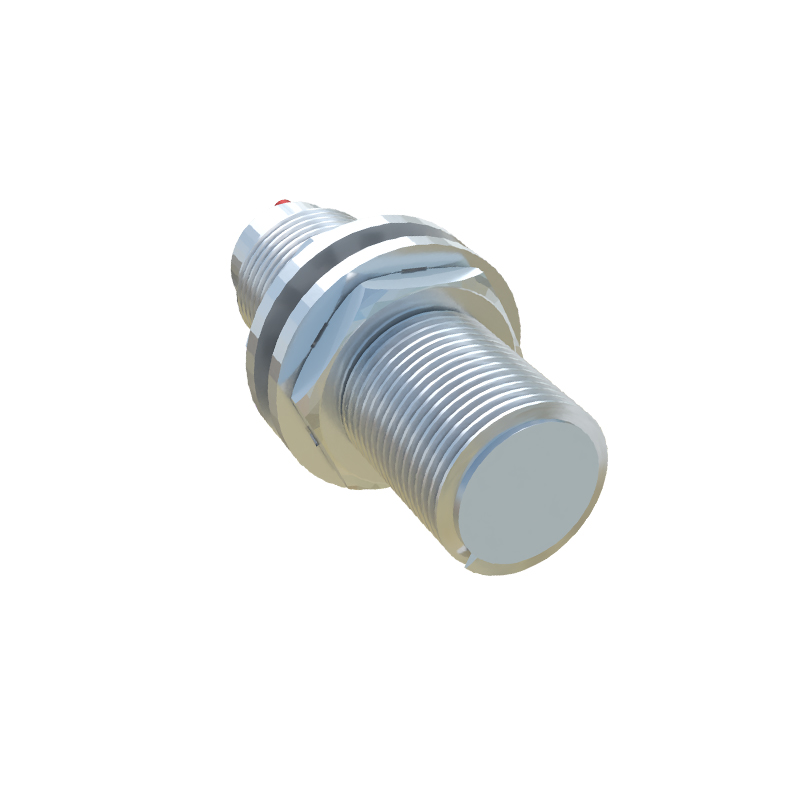
These sensors utilize various non-contact sensing technologies to detect the presence or absence of an object. Inductive sensors are common for detecting metallic targets, using an electromagnetic field. Capacitive sensors can detect both metallic and non-metallic materials by measuring changes in capacitance. Ultrasonic sensors use sound waves, making them suitable for challenging conditions involving target color or transparency. Regardless of the technology, the explosion-proof housing encapsulates all electronic components, including the oscillator, amplifier, and output switching circuit.
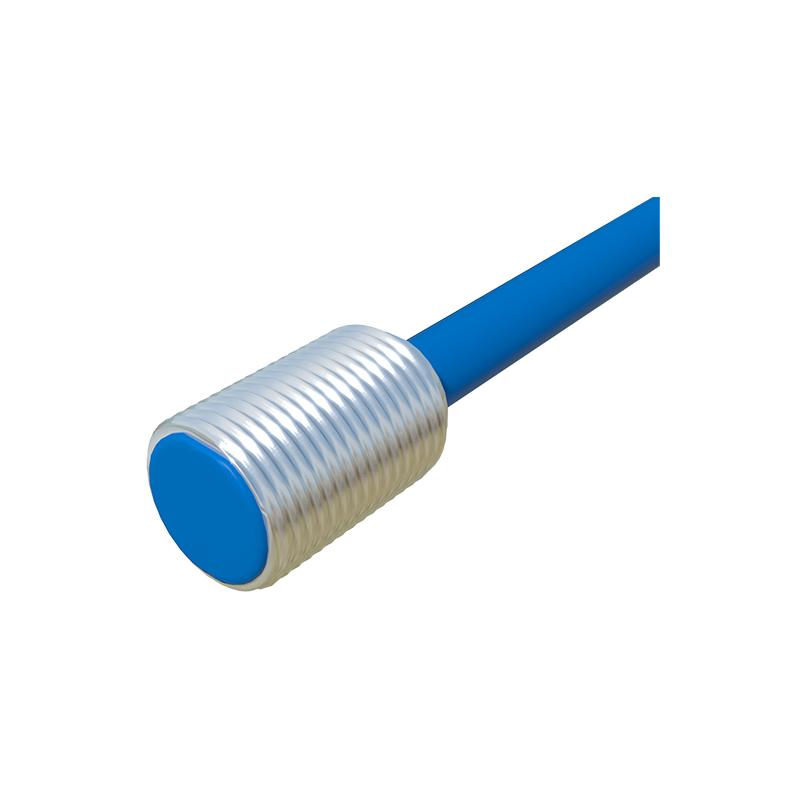
The applications for explosion-proof proximity sensors are vast and vital. In the oil and gas industry, they monitor valve positions, control robotic arms on drilling platforms, and ensure safe levels in storage tanks. Chemical and pharmaceutical plants employ them to control filling operations, conveyor systems, and reactor vessel access points where volatile solvents are used. In grain elevators, sugar refineries, and wood processing facilities, dust-explosion-proof sensors safeguard against the ever-present risk of combustible dust clouds. They are also indispensable in paint spray booths, wastewater treatment plants, and mining operations.
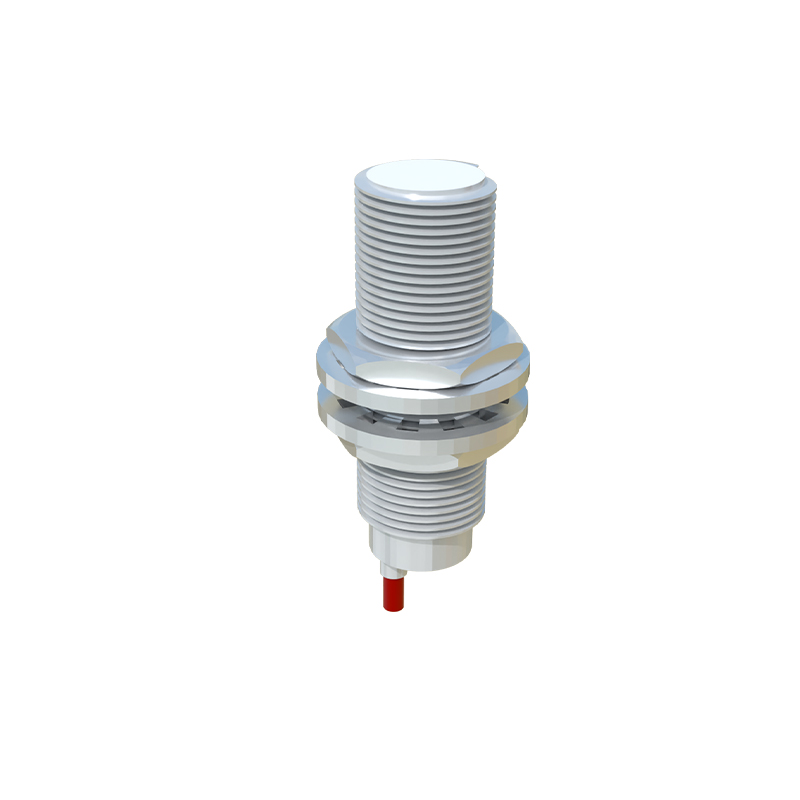
Selecting the right sensor requires careful consideration of several factors beyond just the sensing technology. The specific hazardous area classification (Zone/Division, gas group, temperature class) must be matched precisely. The sensor's housing must also offer an appropriate Ingress Protection (IP) rating, typically IP67 or higher, to resist dust and water ingress which could compromise safety. Environmental factors like extreme temperatures, mechanical shock, vibration, and exposure to corrosive chemicals further dictate the choice of materials and design.
Installation and maintenance are performed under strict protocols. Only qualified personnel should handle these devices. Proper installation according to the manufacturer's guidelines and relevant safety codes is paramount. This includes ensuring the integrity of flame paths by correctly tightening conduit connections and never modifying the enclosure. Regular inspections are necessary to check for physical damage, corrosion, or wear that could impair the explosion-proof integrity. Calibration and functional checks ensure the sensing performance remains accurate.
The evolution of Industry 4.0 and the Industrial Internet of Things (IIoT) is influencing this field as well. Modern explosion-proof proximity sensors are increasingly featuring advanced diagnostics, digital communication protocols like IO-Link, and the ability to integrate into broader predictive maintenance systems. These "smart" sensors can report their health status, operating parameters, and even warn of potential failures before they occur, enhancing both safety and operational efficiency without compromising their primary protective function.
Ultimately, explosion-proof proximity control sensors represent a perfect synergy of safety engineering and automation technology. They allow industries to operate efficiently in high-risk environments by providing reliable, continuous monitoring and control. Their role is preventive and foundational; by eliminating a potential source of ignition, they form an invisible yet impervious barrier against disaster, protecting personnel, infrastructure, and the environment. Investing in certified, high-quality sensors from reputable manufacturers, coupled with rigorous adherence to safety practices, is a non-negotiable aspect of responsible industrial operation in the 21st century.