In industrial settings where flammable gases, vapors, or combustible dusts are present, safety is not just a priority—it is an absolute mandate. Standard electrical equipment can become a source of ignition, potentially triggering catastrophic explosions. This is where the specialized technology of intrinsically safe proximity sensors comes into play. These devices are engineered to operate reliably in hazardous areas by ensuring that any electrical or thermal energy within the sensor is incapable of igniting a specific hazardous atmospheric mixture.
The core principle behind intrinsic safety (IS) is energy limitation. Unlike explosion-proof enclosures that contain an explosion, IS designs prevent an explosion from occurring in the first place. Intrinsically safe proximity sensors achieve this through meticulous circuit design that limits both the current and voltage to levels below what is required to generate a spark with sufficient energy for ignition. This allows them to be safely used in Zone 0, 1, and 2 (for gas) or Zone 20, 21, and 22 (for dust) areas, as defined by international standards like IECEx and ATEX.
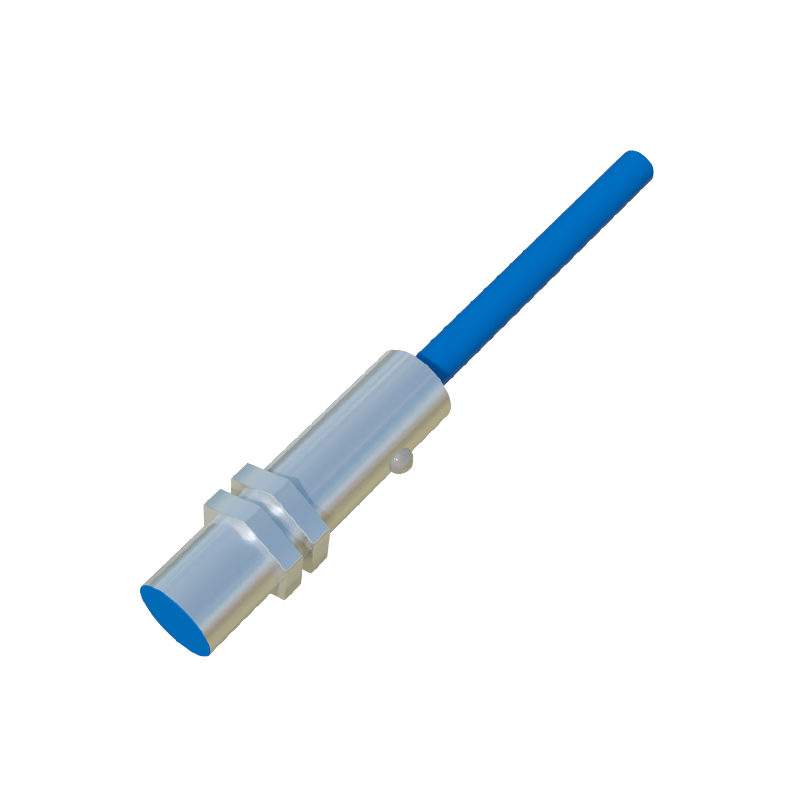
Proximity sensors themselves are non-contact devices that detect the presence or absence of an object using electromagnetic fields, light, or sound. Common types include inductive sensors (for metals), capacitive sensors (for both metals and non-metals), and ultrasonic sensors. When designed for intrinsic safety, these sensing elements are integrated with energy-limiting barriers or isolators. These safety interfaces, often located in a safe area, ensure that the power fed into the hazardous area is strictly controlled.
The certification process for these sensors is rigorous. They must be tested and certified by recognized bodies to prove they cannot release sufficient electrical or thermal energy under normal or specified fault conditions. A key aspect is the entity concept, which matches the sensor (the field device) with its associated safety barrier or isolator. Parameters like maximum input voltage (Ui), maximum input current (Ii), maximum internal capacitance (Ci), and maximum internal inductance (Li) of the sensor must align with the output parameters of the barrier. This system approach guarantees overall safety.
The benefits of using intrinsically safe proximity sensors are substantial. Firstly, they enable continuous monitoring and control in critical areas without shutdowns for maintenance on the sensor itself, as live maintenance is often permissible under controlled conditions. Secondly, they are typically smaller and lighter than their explosion-proof counterparts, simplifying installation and reducing costs. Their lower power consumption also contributes to energy efficiency. Most importantly, they provide the highest level of protection for personnel and assets in volatile environments.
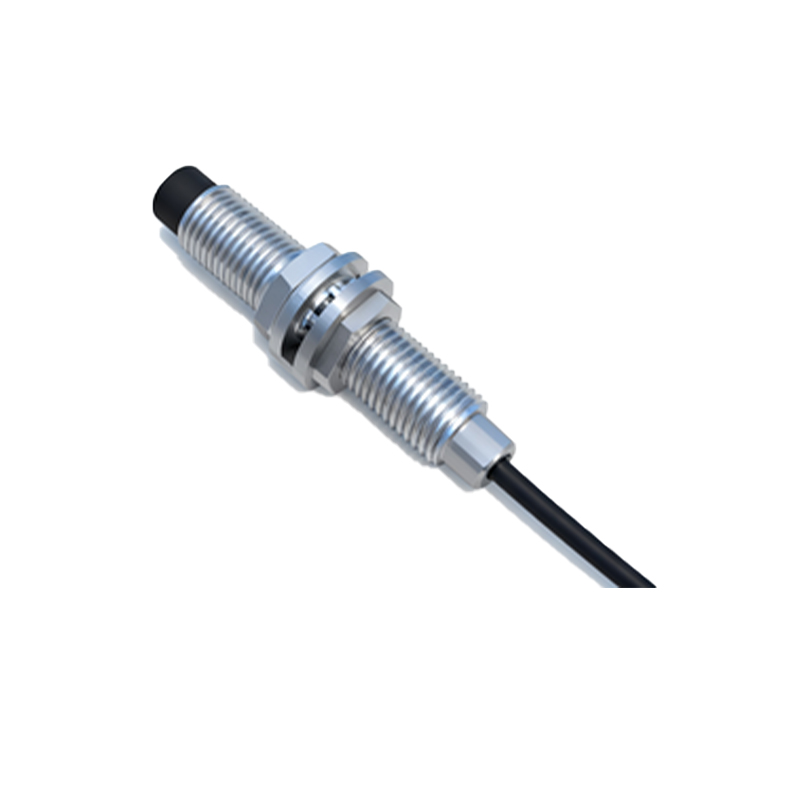
Applications are widespread across high-risk industries. In oil and gas refineries, they monitor valve positions, detect tank levels, or control robotic arms on offshore platforms. In chemical and pharmaceutical plants, they ensure precise positioning of vessels containing flammable solvents. In grain silos and flour mills, where combustible dust poses a threat, these sensors help automate processes safely. They are also vital in mining operations and paint spray booths.
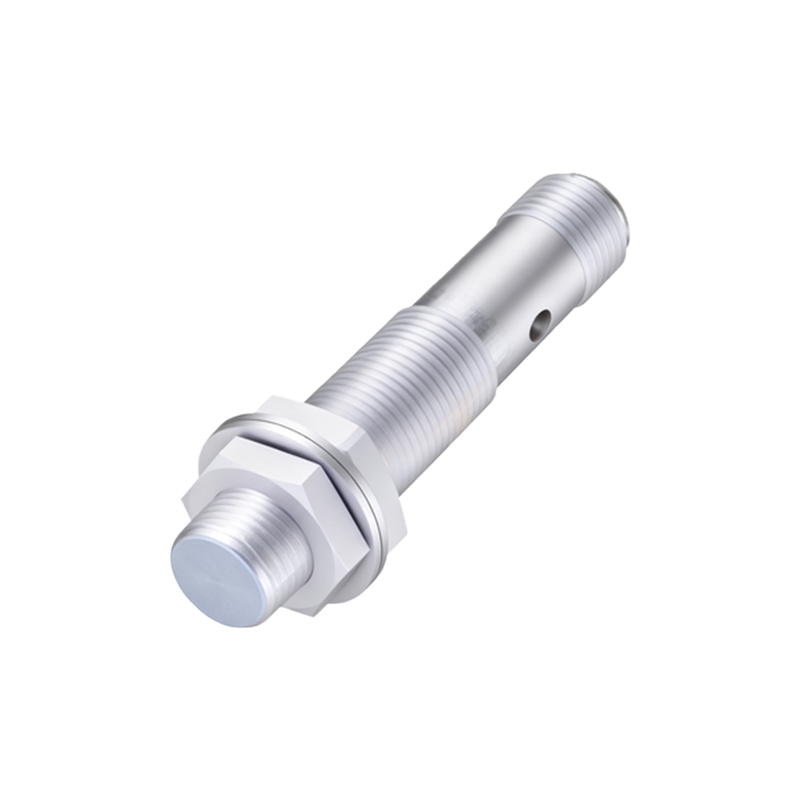
Selecting the right intrinsically safe proximity sensor requires careful consideration. Engineers must first identify the hazardous area classification (Zone/Division) and the type of hazardous material (gas group, dust type, temperature class). The sensor's housing material (often stainless steel or PBT plastic) must be suitable for the corrosive or wet environment. Sensing range, output type (PNP/NPN, analog, IO-Link), and the required certification (ATEX, IECEx, UL) are other critical factors. Always, the sensor must be installed and used in accordance with its control drawing and certification documentation.
In conclusion, intrinsically safe proximity sensors represent a sophisticated and essential engineering solution for modern industry. By integrating precise non-contact sensing with fundamental safety-by-design principles, they form an invisible yet critical layer of protection. They empower automation in environments where safety and productivity must coexist, ensuring that the simple act of detecting an object does not become the source of an unthinkable disaster. As industries evolve towards greater connectivity and smarter factories (Industry 4.0), the role of these certified, reliable sensors will only become more central to safe and efficient operations.