Proximity sensors are a cornerstone of modern automation and interactive technology. Unlike traditional sensors that require physical contact, these devices detect the presence, absence, or distance of nearby objects without any direct touch. This non-contact operation is their defining characteristic, leading to superior reliability, reduced mechanical wear, and the ability to sense a wide variety of materials. The core principle involves emitting a field or beam of electromagnetic radiation and analyzing changes in the return signal or field to determine an object's proximity.
Several distinct technologies underpin proximity sensors, each with unique features suited for specific applications. Inductive proximity sensors are one of the most common types. They generate an electromagnetic field and detect the eddy currents induced in metallic targets. Key features include high switching frequency, exceptional robustness in harsh industrial environments (resistant to dust, oil, and coolant), and the ability to sense only metals, typically with sensing ranges from a few millimeters to about 60 millimeters. They are ideal for machine automation, such as counting metal parts, determining position limits on robotic arms, or detecting the presence of a gear tooth.
Capacitive proximity sensors, on the other hand, can detect both metallic and non-metallic materials, including liquids, plastics, wood, and granular substances. They operate by detecting changes in capacitance between the sensor and a target. Features include sensitivity adjustment to ignore certain materials (like a container wall) and sense the material inside, and the ability to sense through non-metallic barriers. This makes them perfect for level detection in tanks, material handling systems, and touch-sensitive interfaces.
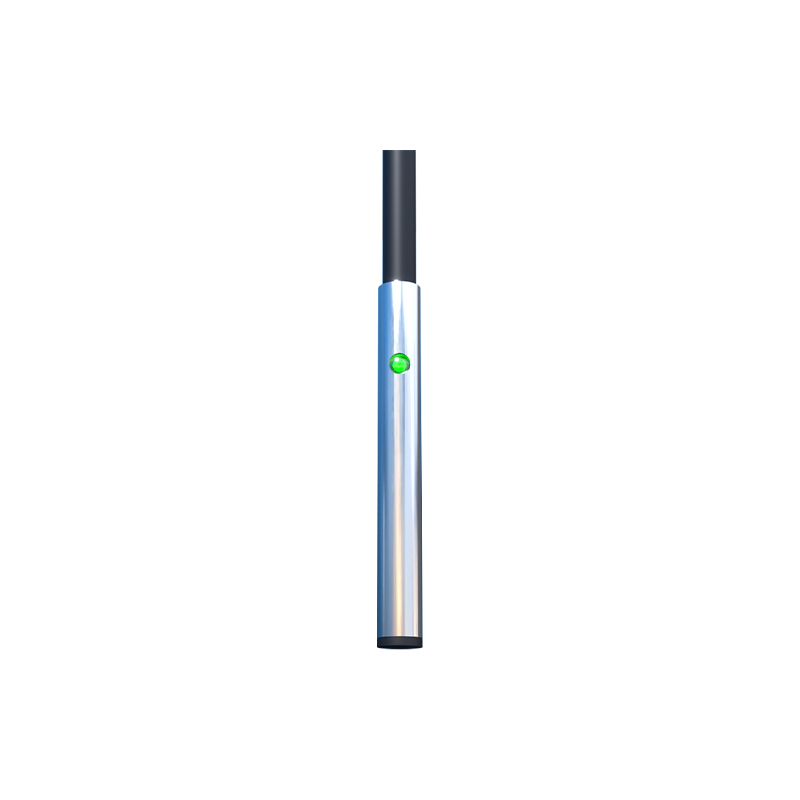
Ultrasonic sensors use sound waves beyond the human hearing range. They measure the time taken for an emitted sound pulse to reflect off an object and return. Their standout features are long sensing ranges (from centimeters to several meters), excellent performance in challenging environments with dust, fog, or smoke, and the ability to detect objects regardless of color, transparency, or material. Applications span from parking assist systems and robotic navigation to bulk material level monitoring and presence detection on conveyor belts.
Photoelectric sensors utilize light, typically infrared or laser. They consist of an emitter and a receiver and come in different operational modes: through-beam (separate units), retro-reflective (bounces off a reflector), and diffuse (reflects off the target itself). Features include the longest sensing ranges among standard proximity sensors, high precision, and the ability to detect very small objects. They are sensitive to environmental factors like dirt and ambient light. These sensors are ubiquitous in packaging automation, security systems, and assembly line object counting.
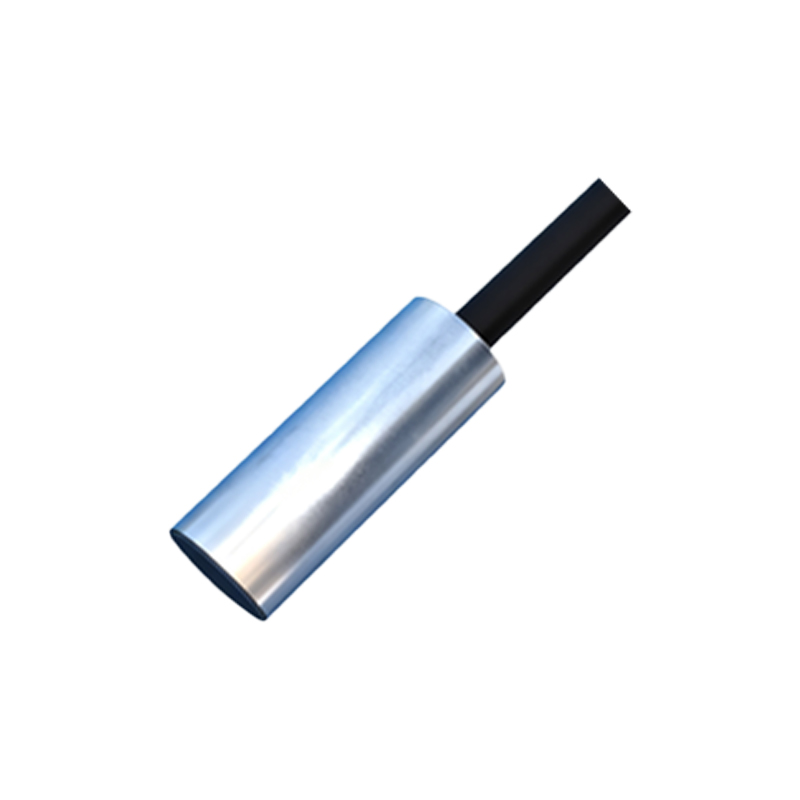
Finally, magnetic proximity sensors, often reed switches or Hall-effect sensors, detect the presence of a permanent magnet. Their features are extreme simplicity, very low power consumption, and high reliability in dirty or wet conditions. They are the technology behind door/window security sensors, and are used for detecting the position of cylinders in pneumatic systems.
When selecting a proximity sensor, engineers must evaluate several key specifications beyond the sensing technology. The sensing range, or the maximum distance at which the sensor can reliably detect a standard target, is paramount. Repeatability, the consistency of the switching point, ensures precision in positioning tasks. The response time determines how quickly the sensor can react to a passing object, critical for high-speed counting. Environmental factors like temperature rating, ingress protection (IP code) against dust and water, and resistance to electrical noise or vibration are crucial for industrial durability. Output type, such as NPN/PNN (sourcing/sinking) or analog (4-20 mA, 0-10V), defines how the sensor interfaces with a controller like a PLC.
The applications are vast and growing. In consumer electronics, miniature infrared proximity sensors deactivate smartphone touchscreens during calls to save power and prevent accidental touches. In automotive systems, they enable blind-spot monitoring, automatic parking, and gesture control for infotainment systems. Industrial manufacturing relies on them for precise positioning, robotic guidance, quality control, and safety interlocks on machinery. The evolution of the Internet of Things (IoT) and Industry 4.0 is driving demand for smarter sensors with integrated diagnostics, IO-Link communication for parameterization and data exchange, and enhanced resilience.
In conclusion, the diverse features of proximity sensors—from non-contact sensing and material-specific detection to environmental robustness and output flexibility—make them indispensable components. Understanding the core features of inductive, capacitive, ultrasonic, photoelectric, and magnetic types allows for optimal selection, enabling smarter, safer, and more efficient systems across every sector of industry and daily life.