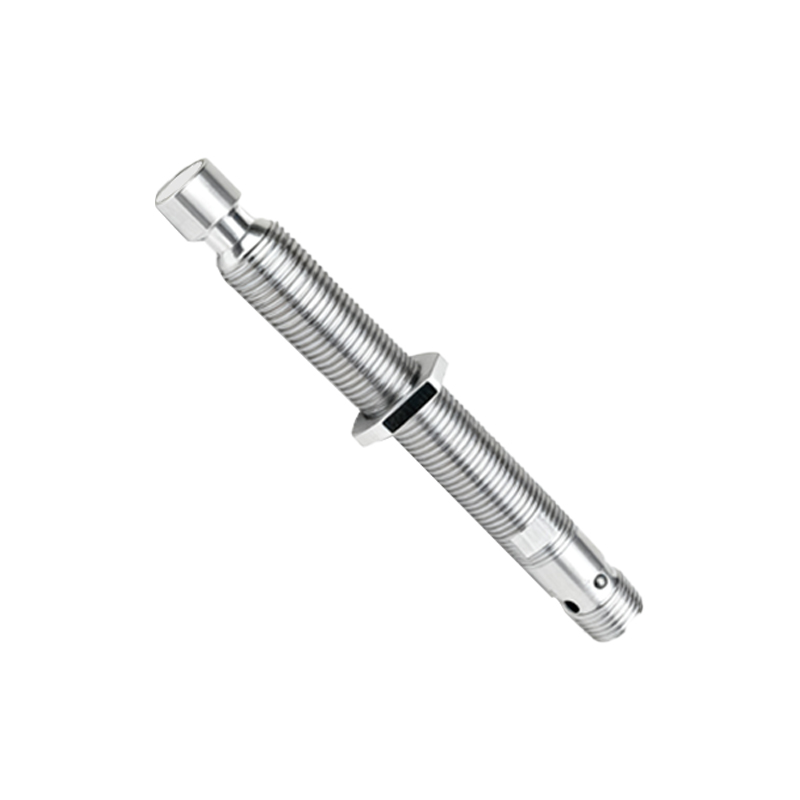
In the modern industrial and commercial landscape, automation and precise control are paramount. For electricians and electrical technicians, understanding and effectively utilizing proximity sensors is no longer a niche skill but a fundamental requirement. These devices, which detect the presence or absence of an object without physical contact, form the backbone of countless automated systems, safety circuits, and process control applications. This guide delves into the core principles, common types, practical applications, and key selection criteria for proximity sensors from an electrician's perspective.
At its heart, a proximity sensor operates by emitting a field or beam and monitoring for changes in that field caused by a target object. The absence of mechanical contact is the defining feature, leading to exceptional reliability, long service life, and minimal maintenance. For electricians, this translates to more robust installations and fewer callbacks for sensor failure. The sensor's output is typically a solid-state switching signal—either a digital ON/OFF signal or, in more advanced versions, an analog signal proportional to distance. This signal is then integrated into control systems, programmable logic controllers (PLCs), or directly into machinery control circuits.
Several primary types of proximity sensors are prevalent, each with distinct operating principles and ideal use cases. Inductive proximity sensors are arguably the most common in industrial settings. They generate an electromagnetic field and detect only metallic objects, primarily ferrous metals like steel. They are exceptionally reliable, resistant to environmental contaminants like dust, oil, and coolant, and are ideal for counting metal parts, determining position in machinery, or as end-of-travel limits. Capacitive proximity sensors, on the other hand, can detect nearly any material—metals, plastics, wood, liquids, and granular substances. They work by sensing changes in capacitance. Electricians often specify these for level detection in non-metallic tanks, material handling of non-metals, or detecting filled vs. empty containers.
For longer-range detection or where non-contact sensing of non-metals is needed, photoelectric sensors are the tool of choice. These use a beam of light (visible, infrared, or laser) and detect an object by either the interruption of the beam (through-beam), reflection from the object (diffuse reflective), or reflection from a dedicated reflector (retro-reflective). While they offer versatility and range, electricians must consider environmental factors like ambient light, dust, fog, and the color or reflectivity of the target, which can affect performance.
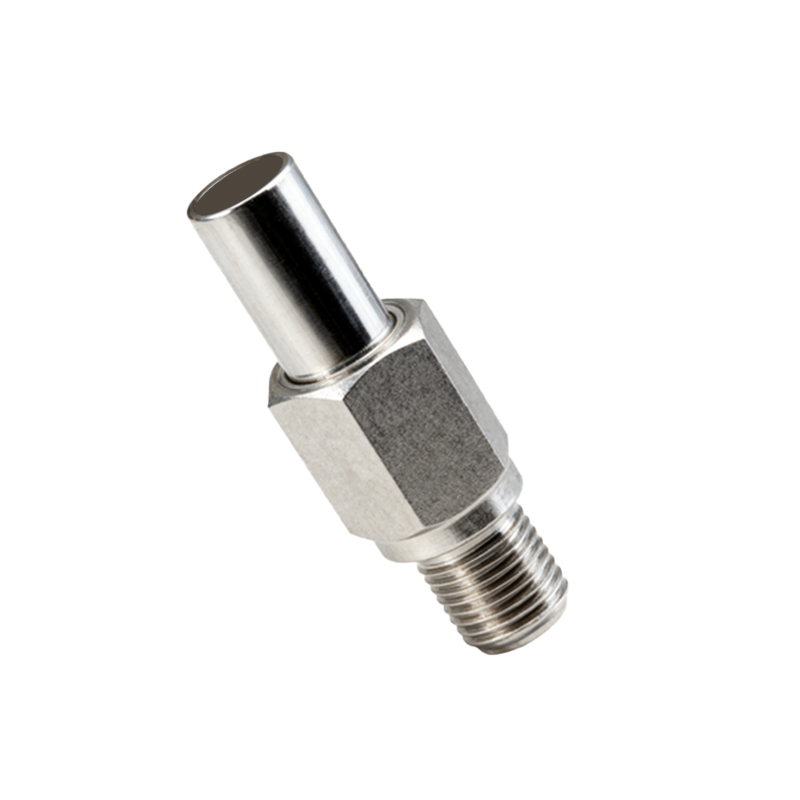
Ultrasonic sensors use sound waves beyond human hearing to detect objects and measure distance. They are excellent for challenging environments where other sensors might struggle, such as detecting clear glass, liquid levels in opaque containers, or objects in dusty or steamy conditions. Their ability to provide precise distance measurement makes them valuable for positioning and bulk level monitoring.
When selecting and installing a proximity sensor, an electrician must evaluate several critical parameters. Sensing range, the maximum distance at which the sensor can reliably detect a standard target, is fundamental. It's crucial to note that the effective range can be less for non-standard materials or shapes. The sensor's housing material and ingress protection (IP) rating are vital for the installation environment. Will it be exposed to washdowns, oils, or corrosive chemicals? The electrical output type must match the control system input. Common outputs include NPN (sinking) and PNP (sourcing) transistor configurations for DC sensors, and AC two-wire versions. Understanding load current, leakage current, and voltage drop is essential for proper circuit design to avoid malfunctions.
Wiring is typically straightforward, often following a color-coded standard: brown for DC+, blue for DC- or neutral, and black (or white) for the switched output signal. Proper mounting is also key; metallic surroundings can affect inductive and capacitive sensors, requiring specified non-ferrous mounting brackets or maintaining a clearance zone around the sensor head.
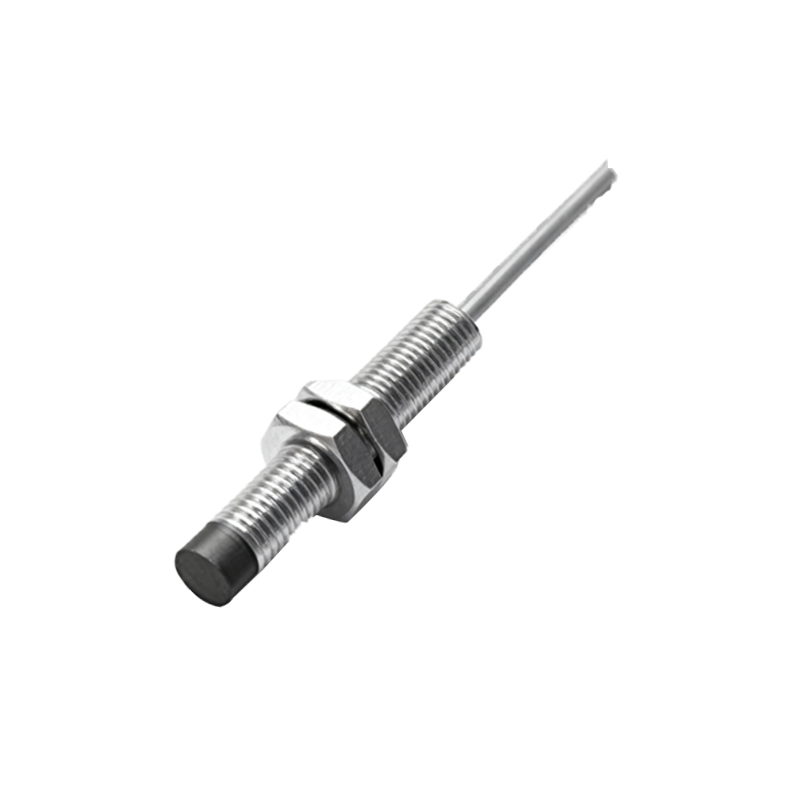
In practice, electricians encounter proximity sensors in diverse applications: conveyor systems using inductive sensors to count packages, automated doors employing photoelectric safety curtains, machine tools using sensors for tool positioning and part verification, and filling machines using capacitive sensors to detect liquid levels. Troubleshooting usually involves verifying power supply, checking for sensor activation via a built-in LED indicator, measuring output voltage with a multimeter, and ensuring the target object is within range and of the correct material.
As technology advances, sensors are becoming smarter with integrated IO-Link communication, which allows for parameter adjustment, diagnostics, and process data reporting directly to the control system, simplifying setup and predictive maintenance. For today's electrician, a solid grasp of proximity sensor technology is indispensable. It ensures not only correct installation and troubleshooting but also enables informed recommendations for system improvements, contributing directly to operational efficiency, safety, and reliability in any electrical project involving automation or control.