Proximity sensors are indispensable components in modern automation, manufacturing, and consumer electronics. When sourcing these devices, price becomes a critical consideration alongside technical specifications. The cost of a proximity sensor is not a fixed number; it varies widely based on a complex interplay of factors. Understanding these variables is key to making a cost-effective purchase that doesn't compromise on performance or reliability.
The type of sensing technology is the primary determinant of price. Inductive sensors, used for detecting metallic objects, are generally among the most affordable, with basic shielded models starting at a relatively low point. Capacitive sensors, capable of detecting both metallic and non-metallic materials, often carry a slightly higher price tag due to their more complex circuitry. Ultrasonic sensors, which measure distance to objects regardless of material, are typically more expensive, reflecting their advanced sonic measurement capabilities. Photoelectric sensors, with variants like through-beam, retro-reflective, and diffuse, show a broad price range. Simple diffuse models can be economical, while long-range, high-precision through-beam sensors command premium prices. The most sophisticated and costly are often specialized variants like magnetic sensors for extreme environments or high-frequency RFID systems for precise identification.
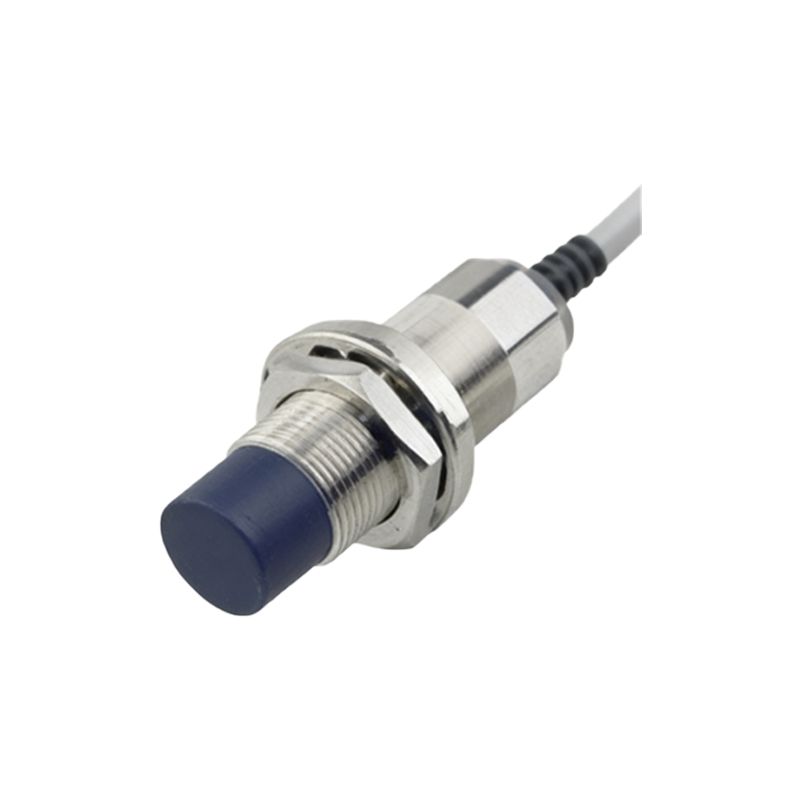
Beyond the core technology, performance specifications drastically influence cost. Sensing range is a major factor; a sensor with a 2mm range is significantly cheaper than one rated for 50mm or 100mm. The required precision and repeatability also play a role—a sensor with a tolerance of ±0.1% will cost more than one with ±5%. Output type is another simple differentiator. Sensors with basic NPN or PNP transistor outputs are standard and cost-effective. Models with analog outputs (4-20mA, 0-10V) or digital communication interfaces (IO-Link, PROFINET, EtherNet/IP) add substantial cost due to the additional electronics and protocol licensing involved.
Build quality and housing material directly correlate with price. Standard plastic or nickel-plated brass housings are common for cost-sensitive applications. For harsh industrial environments, sensors with stainless steel (e.g., V4A/AISI 316L) housings, specialized seals for high IP (Ingress Protection) and IK (Impact Protection) ratings, and extended temperature ranges (-40°C to 85°C) are necessary and, consequently, more expensive. These ruggedized sensors are built to withstand washdowns, corrosive chemicals, and physical impacts, justifying their higher investment.
Brand reputation and supply chain considerations are significant economic factors. Established global brands like Sick, Omron, Pepperl+Fuchs, and Banner Engineering typically price their sensors higher, reflecting decades of R&D, proven reliability, comprehensive warranties, and global technical support. Their products are often industry benchmarks. Conversely, many reputable manufacturers offer standard-compliant sensors at highly competitive prices, providing excellent value for less demanding applications. Furthermore, the choice between a standardized, off-the-shelf model and a custom-engineered sensor creates a vast price chasm. Customization for unique form factors, connectors, or sensing parameters involves non-recurring engineering (NRE) costs and low-volume production, leading to per-unit prices many times higher than standard catalog items.
When evaluating price, it is crucial to adopt a Total Cost of Ownership (TCO) perspective. The initial purchase price is just one element. Consider the sensor's rated lifespan (often in millions of cycles), mean time between failures (MTBF), and the cost and downtime associated with a replacement. A slightly more expensive, high-quality sensor that lasts for years without failure is almost always more economical than a cheap sensor that fails frequently, halting production lines. Availability of spare parts, ease of installation, and compatibility with existing systems also contribute to long-term operational costs.
To make a smart purchasing decision, start by meticulously defining the application requirements: target material, required sensing distance, needed precision, environmental conditions (dust, moisture, temperature), and output signal. Avoid over-specifying; buying a sensor with capabilities far beyond what is needed is an unnecessary expense. Once requirements are clear, compare specifications and prices from several manufacturers. Request samples to test in the actual application environment before committing to a large order. For high-volume projects, engage suppliers directly to negotiate volume discounts. Remember, the goal is to find the optimal balance between adequate performance, long-term reliability, and cost. The cheapest sensor upfront can become the most expensive asset on the factory floor if it leads to inconsistent operation, product quality issues, or unplanned downtime. Investing time in the selection process ensures the chosen proximity sensor delivers true value for its price.