In the rapidly evolving landscape of industrial automation, consumer electronics, and smart devices, the demand for smaller, more efficient, and highly reliable components is relentless. Among these critical components, the thin proximity sensor stands out as a pivotal innovation, enabling sophisticated detection capabilities in increasingly constrained spaces. This article delves into the technology, applications, and advantages of these slim-line sensing solutions.
Thin proximity sensors, as the name implies, are characterized by their remarkably low profile. Traditional proximity sensors, while effective, often posed challenges in design integration due to their bulk. The development of thin variants has been driven by advanced manufacturing techniques, novel material science, and refined electronic circuitry. These sensors typically operate on principles such as inductive, capacitive, or photoelectric sensing, but are engineered into form factors that can be as slim as a few millimeters. This miniaturization does not come at the cost of performance; modern thin sensors offer detection ranges, response times, and environmental robustness comparable to, or even exceeding, their larger predecessors.
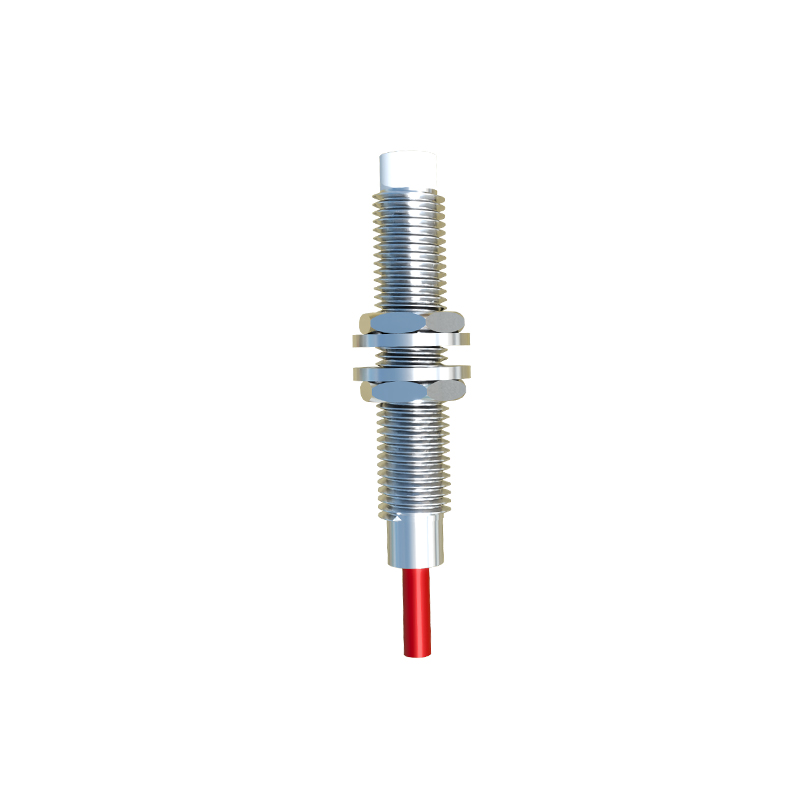
The core technology enabling this slim design often involves the use of flexible printed circuits (FPCs), application-specific integrated circuits (ASICs), and advanced packaging. By integrating the sensing element, signal processing circuitry, and communication interface into a single, flat package, manufacturers eliminate the need for bulky housings and complex wiring assemblies. Materials like polyimide for substrates and specialized coatings for environmental protection are key to maintaining durability in a thin form factor.
The applications for thin proximity sensors are vast and growing. In the consumer electronics sector, they are ubiquitous in smartphones and tablets, where they manage screen blanking during calls by detecting the presence of a user's ear or face. This not only saves battery life but prevents accidental screen touches. In modern laptops, these sensors enable features like wake-on-approach, enhancing user convenience and security. The automotive industry integrates them into vehicle doors and consoles for touchless control of lights and locks, contributing to both luxury and functional design. Within industrial automation, their low profile allows for installation in tight machinery spaces for precise position detection, object counting, or as part of safety light curtains. Furthermore, the rise of the Internet of Things (IoT) and wearable technology presents a fertile ground for these sensors, where space and weight are at an absolute premium.
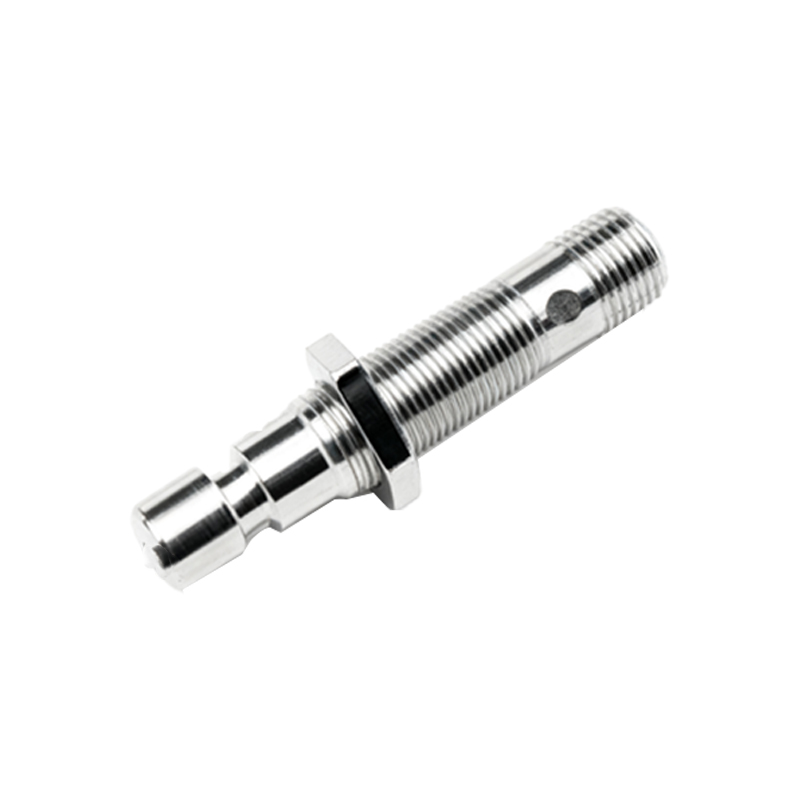
The advantages of adopting thin proximity sensors are multifaceted. First and foremost is space savings. Design engineers are granted greater freedom to create sleeker, more compact products without sacrificing functionality. This is crucial in competitive markets where aesthetics and form factor are significant differentiators. Secondly, their low power consumption is a major benefit, especially for battery-operated devices. Efficient power management extends operational life and improves the user experience. Thirdly, the reliability and longevity of these solid-state devices are excellent, with no moving parts to wear out, making them ideal for high-cycle applications. Finally, their versatility in mounting—often via simple adhesive backing or slim brackets—simplifies assembly and reduces overall system cost.
However, selecting the right thin proximity sensor requires careful consideration. Factors such as the required sensing distance, the material of the target object (metal, plastic, liquid), the operating environment (temperature, humidity, potential contaminants), and the output signal type (digital or analog) must all be evaluated. It is also essential to consider potential interference from other electronic components in densely packed assemblies.
Looking ahead, the trajectory for thin proximity sensor technology points toward even greater integration, intelligence, and versatility. We can expect to see sensors with embedded machine learning capabilities for context-aware operation, multi-sensor fusion packages that combine proximity, ambient light, and gesture sensing in one ultra-thin module, and further improvements in energy harvesting to enable truly maintenance-free operation. As the boundaries of miniaturization are pushed, these sensors will continue to be fundamental enablers for the next generation of smart, responsive, and elegantly designed products across all industries.
In conclusion, thin proximity sensors represent a significant leap forward in detection technology. By delivering robust sensing performance in a minimal footprint, they solve critical design challenges and unlock new possibilities for innovation. From the smartphone in your pocket to the automated factory floor, these unobtrusive components are quietly shaping a more interactive and efficient world.