In industrial automation, manufacturing facilities, and outdoor applications, environmental contaminants pose significant challenges to sensor reliability. Among various solutions, dust-proof proximity sensors have emerged as critical components that ensure consistent operation where particulate matter is prevalent. These specialized sensors detect the presence or absence of objects without physical contact, utilizing electromagnetic fields, light, or sound, while being engineered to resist infiltration by dust, powder, and other fine particles.
The fundamental need for dust-proofing stems from the vulnerability of standard proximity sensors. In environments such as woodshops, flour mills, cement plants, or even construction sites, airborne particles can settle on sensor lenses, optical windows, or housing gaps. This accumulation may attenuate signals, cause false triggering, or lead to complete failure. Dust-proof designs address this by incorporating sealed housings, often rated with Ingress Protection (IP) classifications like IP65, IP67, or IP69K. These ratings confirm resistance to dust ingress and, in higher grades, protection against high-pressure water jets, making them suitable for washdown areas in food processing or pharmaceutical industries.
Several sensing technologies are commonly enhanced with dust-proof features. Inductive proximity sensors, which detect metallic objects, are housed in robust, sealed metal or polymer casings. Capacitive variants, capable of sensing non-metallic materials, also employ similar sealing methods. Optical proximity sensors, including infrared and laser types, present a greater challenge because their lenses must remain clear. Manufacturers address this by using hydrophobic coatings, air-purge systems, or mechanical wipers in extreme cases. Ultrasonic sensors, which rely on sound waves, often feature membranes that keep dust out while allowing acoustic transmission.
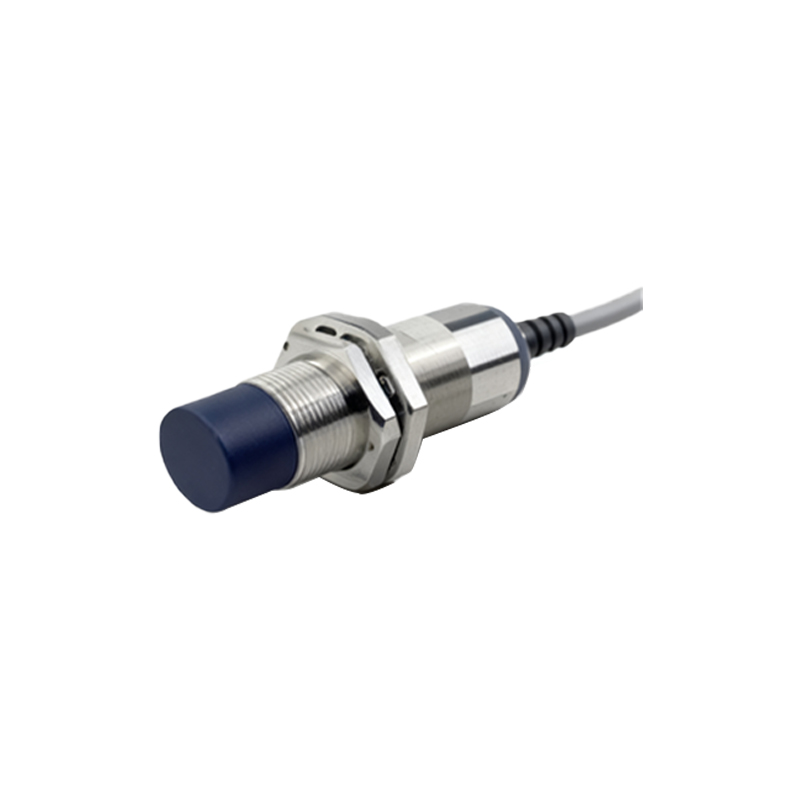
Key design considerations extend beyond mere sealing. Materials must resist abrasion from blowing sand or gritty dust. Connectors and cable entries are points of vulnerability, so molded cables or sealed connectors are standard. Thermal management is another factor; a sealed sensor must dissipate heat effectively to prevent internal condensation, which could be as damaging as dust. Many dust-proof sensors include temperature compensation circuits to maintain accuracy across operating ranges.
The benefits of deploying dust-proof proximity sensors are substantial. They reduce machine downtime by minimizing sensor-related failures, lower maintenance costs by eliminating frequent cleaning or replacement, and enhance overall system safety and productivity. In automated packaging lines, for instance, they reliably detect products on conveyors despite paper dust or plastic flakes. In agricultural machinery, they function amid soil and chaff. On mining equipment, they endure coal or mineral dust.
Selecting the appropriate dust-proof sensor requires analyzing the specific environment. Factors include particle size, concentration, whether the dust is conductive or combustible, and if it is mixed with moisture or oils. Consulting IP ratings and manufacturer specifications for dust resistance is essential. Additionally, considering the sensing distance, response time, output type (digital or analog), and electrical compatibility with control systems ensures optimal integration.
Installation and maintenance practices further influence longevity. Even a dust-proof sensor can fail if installed with unsealed conduit or in a location where dust accumulates heavily around its face. Periodic inspection for physical damage or coating degradation is recommended. Using compressed air for cleaning should be done cautiously to avoid forcing dust into seals.
As industries push toward smarter, more connected operations, dust-proof proximity sensors are evolving. Many now incorporate IO-Link communication for diagnostics, such as reporting contamination levels or signal strength degradation, enabling predictive maintenance. This digital transformation allows plants to address issues before they cause stoppages.
In conclusion, dust-proof proximity sensors are not merely optional accessories but fundamental elements in sustaining automation reliability within particulate-laden settings. Their continued advancement in materials, sealing techniques, and intelligence will support industries in tackling increasingly demanding environments, ensuring that detection processes remain accurate, durable, and efficient.