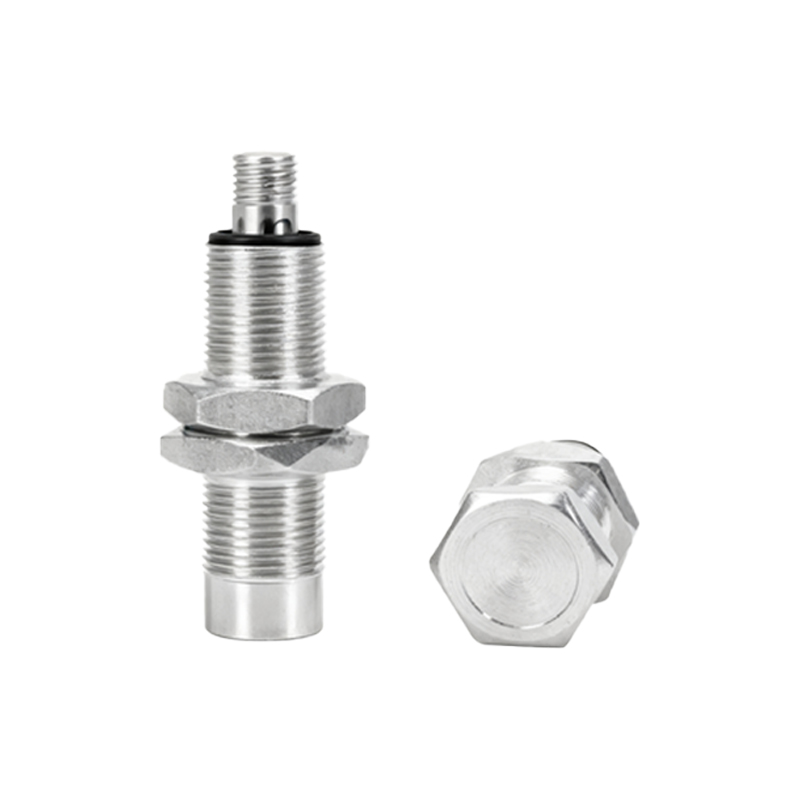
Magnetic proximity switches are fundamental components in modern industrial automation and safety systems. Their ability to detect the presence or absence of a magnetic field without physical contact makes them reliable, durable, and versatile. Understanding their working principle is key to selecting and applying them correctly in various scenarios.
At its core, a magnetic proximity switch operates based on the interaction between a permanent magnet (the target) and a magnetically sensitive sensor element housed within the switch body. The most common sensor technology used is the Reed Switch, though Hall Effect sensors and magnetoresistive sensors are also employed for more specialized applications. This explanation will focus on the prevalent reed switch type.
The heart of this switch is the hermetically sealed reed switch capsule. Inside this glass tube are two thin, ferromagnetic metal reeds (typically made of nickel-iron). These reeds are carefully positioned so that their ends overlap with a small gap separating them. The contacts are often plated with rhodium or ruthenium to ensure reliable switching and long life. The entire capsule is filled with an inert gas like nitrogen to prevent contact oxidation and arcing.
The fundamental working principle is elegantly simple. In its normal, non-actuated state (with no external magnetic field present), the two reed contacts remain separated due to their inherent spring tension. The switch is in an "open" circuit state, and no current flows. When a permanent magnet (the actuator) is brought into the operational range or "switching distance" of the sensor, things change dramatically.
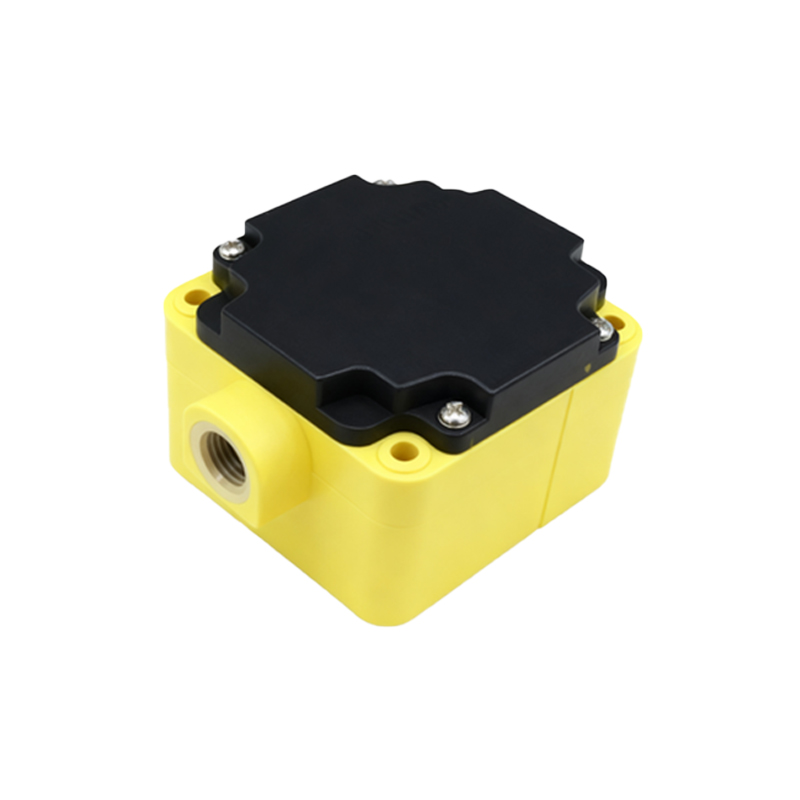
The magnetic field from the actuator magnetizes the ferromagnetic reed blades. The opposite poles induced on the overlapping ends of the reeds create a strong mutual attraction. This magnetic force overcomes the spring stiffness of the reeds, causing them to flex and snap together, thereby closing the electrical contact. The switch is now in a "closed" circuit state, allowing current to flow. This change in state is the output signal. When the actuator magnet is moved away, the external magnetic field strength drops below the release threshold. The magnetic force of attraction diminishes, and the natural spring tension of the reeds pulls them apart, opening the circuit again.
This "snap-action" mechanism is crucial. It provides a clean, fast, and bounce-free switching action, which is essential for digital control systems and high-cycle applications. The point at which the contacts close as the magnet approaches is called the "operate point." The point at which they open as the magnet retreats is the "release point." Due to hysteresis—a common property in magnetic systems—the release point occurs at a slightly farther distance than the operate point. This hysteresis prevents chattering (rapid on/off cycling) if the actuator were to stop precisely at the switching boundary, enhancing operational stability.
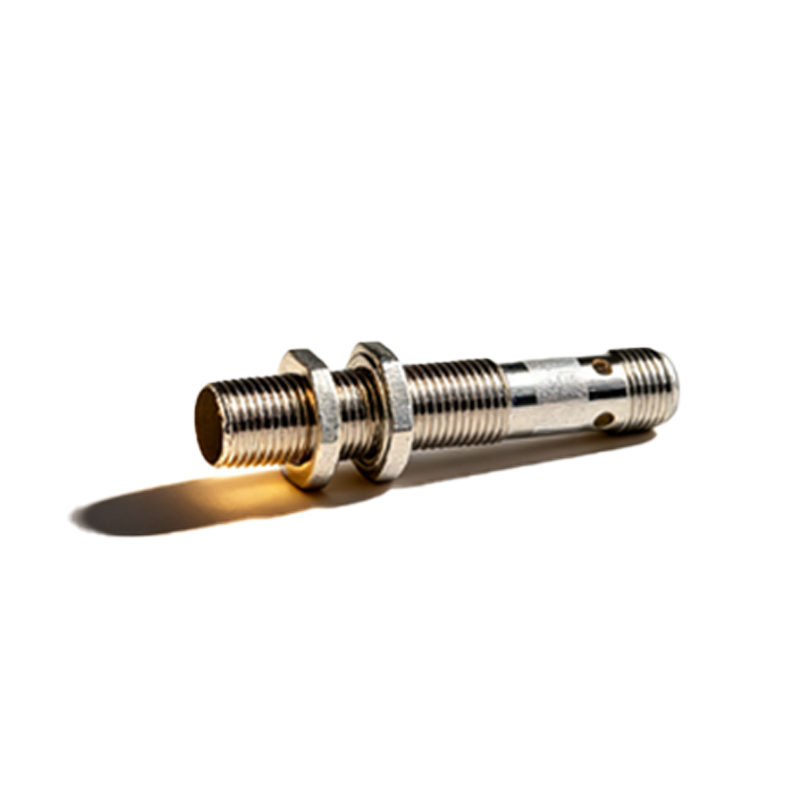
Key factors influencing performance include switching distance, which depends on the strength of the actuator magnet and the sensitivity of the reed switch. Stronger magnets yield longer switching distances. The orientation of the magnet is also critical; the magnetic field has a specific polarity and orientation for optimal activation, typically requiring the correct pole to face the sensor. Environmental factors like temperature can affect the magnetic properties of both the actuator and the reeds, though modern switches are designed to operate within specified industrial temperature ranges.
Compared to other sensor types, magnetic proximity switches offer distinct advantages. They are completely sealed, making them immune to dust, dirt, moisture, and corrosion, suitable for harsh environments. They have no moving mechanical parts subject to wear (aside from the reed flexure), leading to exceptionally long operational life, often in the billions of cycles. They consume very little power, especially in passive reed switch configurations. Common applications include door and window position sensing in security systems, cylinder position detection in pneumatic and hydraulic systems, limit switching in machinery, and liquid level detection using float magnets.
In summary, the magnetic proximity switch functions as a magnetically operated electrical gate. The non-contact interaction between an external permanent magnet and an internal magnetically sensitive reed element causes a physical change—the closing or opening of contacts—which in turn provides a clear electrical signal to a control system. Its robustness, simplicity, and reliability ensure its continued prominence in automation and control engineering.