In the rapidly advancing world of industrial automation and smart device integration, the role of proximity sensors has become fundamentally critical. Among the latest innovations, Proximity Sensor 8 represents a significant leap forward, offering enhanced capabilities that redefine precision, reliability, and application scope. This technology is not merely an incremental update; it is a transformative tool designed for the complex demands of modern manufacturing, automotive systems, and consumer electronics.
At its core, Proximity Sensor 8 is a non-contact sensing device engineered to detect the presence or absence of an object within a specified range without any physical interaction. Unlike its predecessors, Sensor 8 incorporates advanced electromagnetic field distortion and capacitive sensing principles with a new generation of micro-processing algorithms. This allows for unprecedented accuracy in detection, capable of discerning materials and distances with minimal error margins, even in environmentally challenging conditions filled with dust, moisture, or extreme temperatures.
One of the most compelling features of Proximity Sensor 8 is its adaptive sensing range. Traditional sensors often have fixed operational distances, limiting their versatility. The eighth generation introduces dynamically adjustable thresholds, allowing a single sensor unit to be configured for both long-range detection of large metallic objects and ultra-sensitive short-range detection of non-metallic materials like plastics or liquids. This flexibility drastically reduces inventory complexity for engineers and system integrators, enabling one sensor model to serve multiple purposes across a production line.
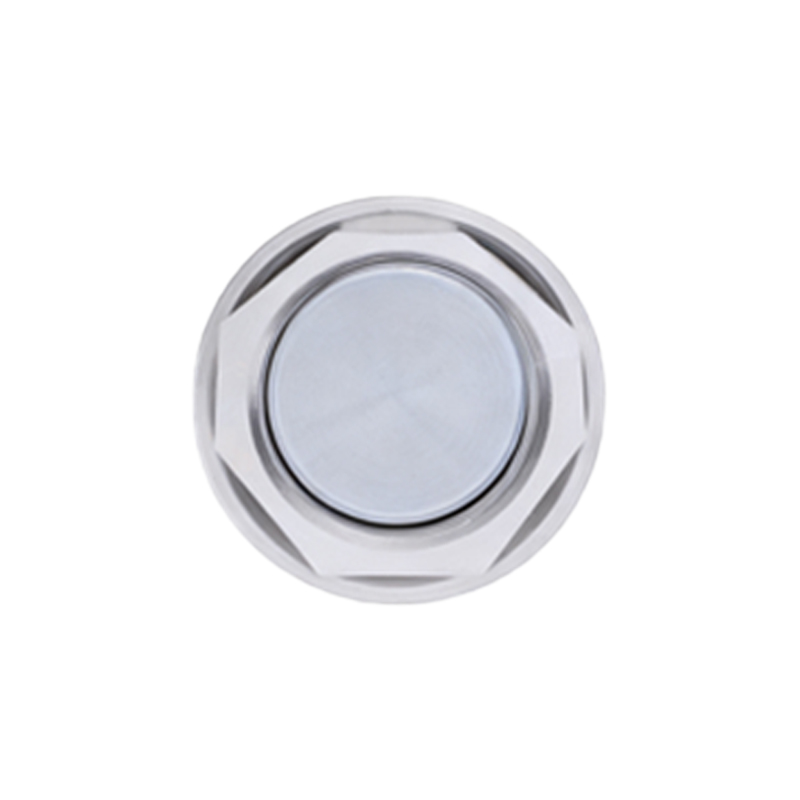
Furthermore, Proximity Sensor 8 boasts a remarkably robust design with an emphasis on longevity and stability. Its housing is typically constructed from high-grade stainless steel or specialized polymers resistant to chemical corrosion and mechanical stress. The internal circuitry is shielded against electromagnetic interference (EMI), a common culprit for false triggers in electrically noisy industrial environments. This resilience translates directly into reduced downtime and maintenance costs, a key metric for operational efficiency.
The integration of smart connectivity is where Proximity Sensor 8 truly distinguishes itself. Equipped with standard industrial communication protocols such as IO-Link, this sensor can transmit not just a simple on/off signal but a wealth of diagnostic data. It can communicate its own health status, temperature, operating cycles, and even provide predictive maintenance alerts. This data can be fed into a factory's central control system, contributing to the Industrial Internet of Things (IIoT) ecosystem and enabling proactive, data-driven decision-making.
Application scenarios for Proximity Sensor 8 are vast and varied. In automotive assembly, it ensures precise positioning of robotic arms for welding or part placement. In packaging machinery, it detects the presence of bottles or boxes on a high-speed conveyor belt, triggering subsequent actions with flawless timing. Within consumer electronics, such as smartphones and tablets, miniaturized versions of this technology enable features like automatic screen dimming during a call or gesture recognition. Its use also extends to safety systems, where it can act as a non-invasive guard to detect personnel entering hazardous zones.
Installation and configuration have been simplified in this generation. Many models feature intuitive LED indicators for status and alignment, and configuration can often be done via a handheld programmer or directly through the connected PLC software. This user-friendly approach minimizes setup time and reduces the potential for human error during commissioning.
Looking ahead, the trajectory for proximity sensing technology points towards even greater miniaturization, lower power consumption, and enhanced intelligence. Proximity Sensor 8 sits at the forefront of this curve, providing a reliable and sophisticated solution that meets today's challenges while being adaptable for future innovations. For engineers, designers, and automation specialists, understanding and leveraging the capabilities of Proximity Sensor 8 is no longer an option but a necessity for building efficient, safe, and intelligent systems. Its impact is silent yet profound, acting as the unseen enabler of seamless automation and interactive technology in our daily lives and industrial landscapes.