In the realm of industrial automation, machinery health monitoring, and smart security systems, the ability to detect presence, motion, or operational state without physical contact is paramount. Among the suite of non-contact sensing technologies, vibration proximity sensors stand out for their unique capability to interpret the mechanical oscillations of an object or environment. Unlike standard proximity sensors that may rely on electromagnetic fields, light, or sound, vibration proximity sensors are specifically tuned to detect and measure vibrational energy, translating subtle mechanical waves into actionable electronic signals.
The core principle of operation for most vibration proximity sensors is based on the piezoelectric effect or micro-electromechanical systems (MEMS). Piezoelectric sensors utilize materials like quartz or specialized ceramics that generate an electrical charge when subjected to mechanical stress from vibrations. This charge is proportional to the vibration's acceleration, allowing the sensor to detect both the presence and intensity of vibration. MEMS-based sensors, on the other hand, incorporate tiny microscopic structures that deflect due to vibration, with this deflection causing a measurable change in capacitance or resistance. These sensors are adept at detecting a wide frequency range, from the low-frequency rumble of heavy machinery to the high-frequency buzz of a small motor.
The applications for vibration proximity sensors are diverse and critical across multiple sectors. In predictive maintenance within manufacturing, these sensors are permanently mounted on equipment such as motors, pumps, compressors, and gearboxes. They continuously monitor vibration levels, providing early warning signs of imbalance, misalignment, bearing wear, or looseness before a catastrophic failure occurs. This enables condition-based maintenance, saving significant costs on repairs and preventing unplanned downtime. In the security domain, vibration sensors act as sophisticated proximity detectors. Mounted on windows, fences, or safes, they can discern the specific vibrational signature of an attempted break-in—such as glass breaking or metal being cut—from ambient environmental noise, triggering alarms with high accuracy. Furthermore, in automotive systems, they contribute to safety features like crash detection, where a severe impact generates a distinct vibrational pattern, prompting the deployment of airbags.
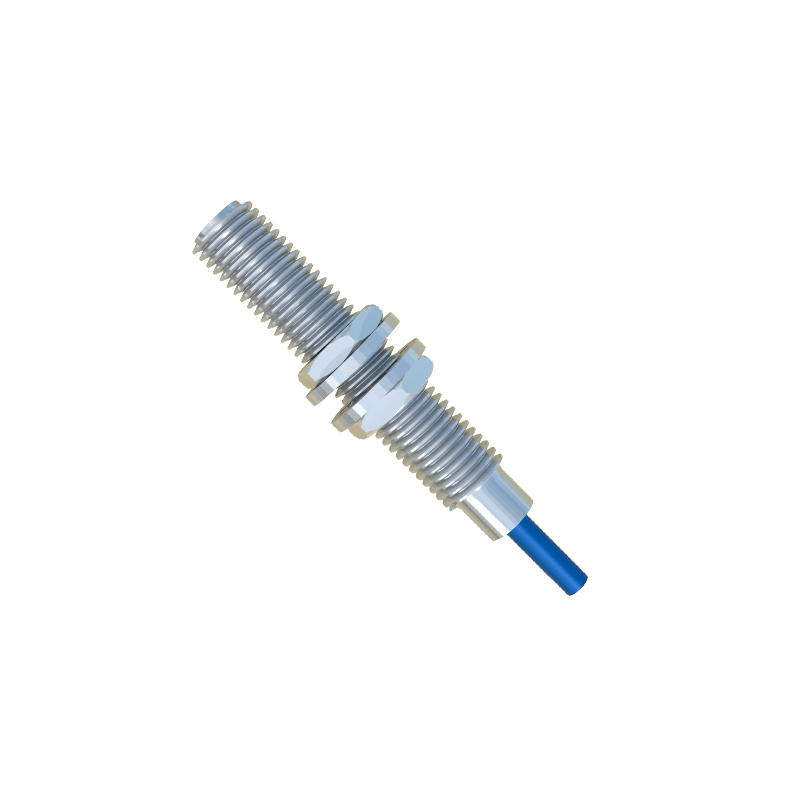
Selecting the right vibration proximity sensor requires careful consideration of several key parameters. First is the frequency range. The sensor must be capable of detecting the specific frequency band of interest for the target vibration. A sensor designed for low-frequency structural monitoring will not effectively capture high-frequency bearing faults. Sensitivity, often measured in mV/g (millivolts per unit of gravity), determines how well the sensor can detect low-amplitude vibrations. The physical size and mounting method (stud, adhesive, or magnetic mount) are crucial for ensuring a proper mechanical connection, as poor mounting can severely dampen the vibration signal reaching the sensor. Environmental factors like temperature extremes, humidity, and exposure to chemicals must also be matched with the sensor's ingress protection (IP) rating and material construction. Finally, the output signal type is vital for integration. Analog outputs (e.g., voltage or 4-20 mA current loops) are common for direct connection to data loggers or PLCs, while digital outputs with protocols like I2C or SPI are increasingly popular for direct microcontroller integration in IoT applications.
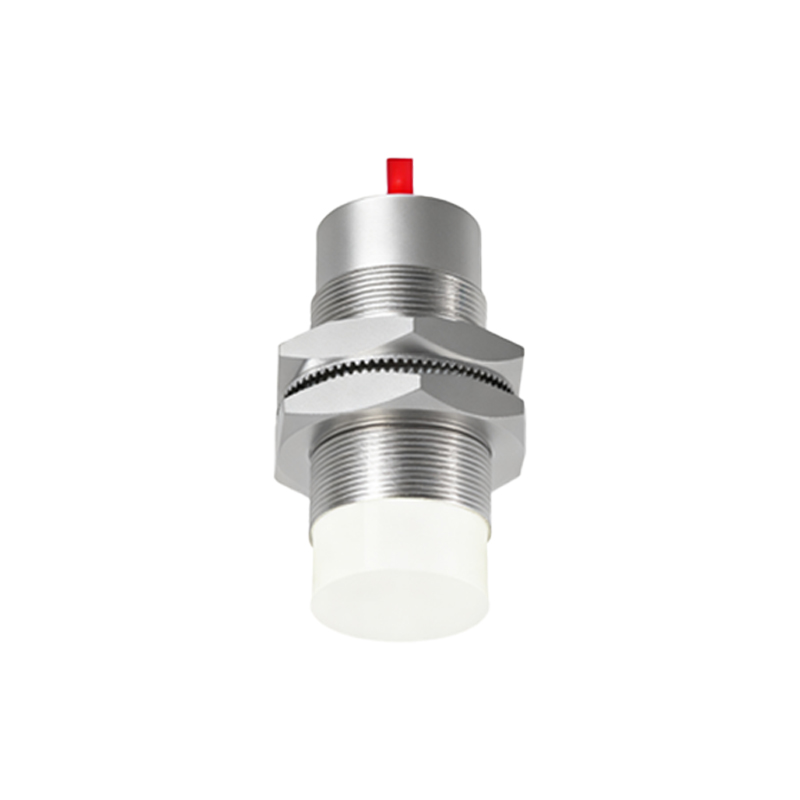
Installation and calibration are the final, critical steps to ensure reliable operation. The sensor must be mounted as close as possible to the source of vibration, on a clean, flat, and solid surface to ensure optimal energy transfer. The mounting torque for stud-mounted sensors must be precisely followed. Calibration involves setting threshold levels to distinguish between normal operational vibration and anomalous, potentially problematic vibration. Advanced systems employ machine learning algorithms to establish a dynamic baseline of "normal" vibration, enhancing the ability to detect true deviations.
In conclusion, vibration proximity sensors serve as the sensitive fingertips of modern industrial and security systems, feeling the pulse of machines and structures. By converting mechanical oscillations into precise electronic data, they empower engineers and system designers to build safer, more reliable, and more intelligent environments. Their role in enabling predictive maintenance alone marks them as a cornerstone technology for the Industrial Internet of Things (IIoT), driving efficiency and preventing costly failures through proactive insight.