Proximity sensors are essential components in modern automation and industrial systems, detecting the presence or absence of objects without physical contact. Their classification varies across countries due to differences in technological standards, industrial applications, and regulatory frameworks. This article explores how proximity sensors are categorized in key regions, highlighting unique approaches and common trends.
In the United States, proximity sensors are primarily classified based on their sensing technology and output type. Common categories include inductive, capacitive, ultrasonic, and photoelectric sensors. Inductive sensors dominate in manufacturing for metal detection, while capacitive sensors handle non-metallic materials. The National Electrical Manufacturers Association (NEMA) and Underwriters Laboratories (UL) set standards influencing classifications, emphasizing safety and environmental ratings like IP67 for dust and water resistance. American industries often prioritize sensors with high switching frequencies and rugged designs for automotive and aerospace applications.
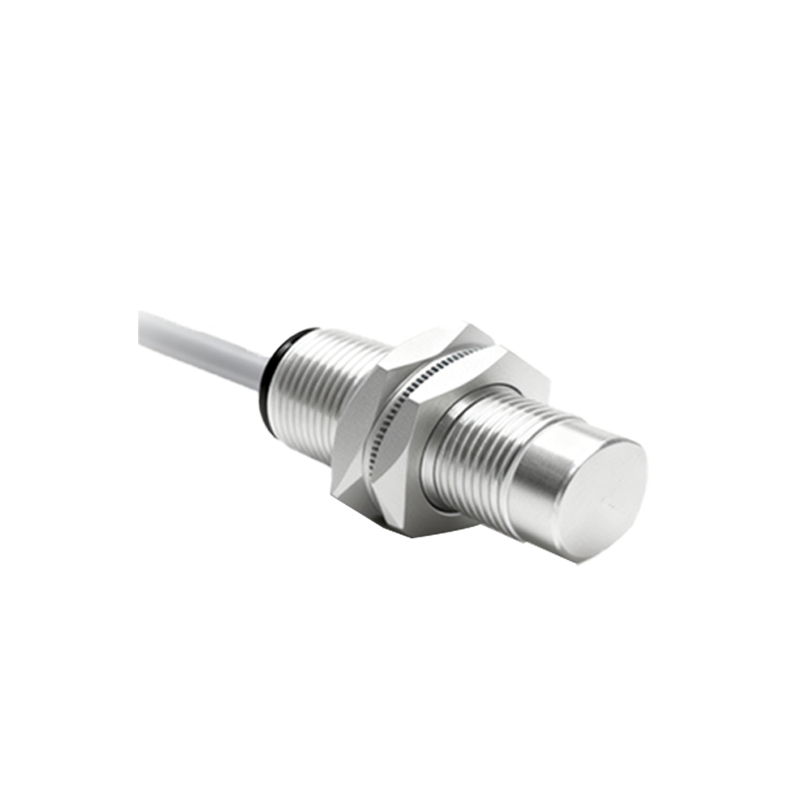
Germany, a leader in industrial automation, categorizes proximity sensors with a strong focus on precision and integration with Industry 4.0. German classifications align with DIN and VDE standards, emphasizing factors like sensing range, repeat accuracy, and communication protocols (e.g., IO-Link). Inductive sensors are subdivided into shielded and unshielded types, with detailed specifications for temperature tolerance and EMC compatibility. German manufacturers, such as Siemens and Sick, often group sensors by application—like packaging, robotics, or automotive—ensuring seamless compatibility with PLC systems.
In Japan, proximity sensor classification reflects a blend of miniaturization and energy efficiency. Japanese standards, guided by JIS and JEITA, highlight sensor size, response time, and power consumption. Common types include magnetic, ultrasonic, and laser-based sensors, with subcategories for high-speed or low-energy models. The emphasis is on reliability in electronics and automotive sectors, where sensors are classified by environmental resilience (e.g., resistance to vibration and chemicals). Japanese companies like Omron and Keyence often categorize sensors by industry-specific kits, simplifying selection for consumers.
China’s approach to proximity sensor classification is driven by rapid industrialization and cost-effectiveness. Chinese standards, such as GB/T, focus on basic performance metrics like detection distance, output current, and housing material. Sensors are broadly grouped into inductive, capacitive, and photoelectric types, with subclasses for DC or AC versions. The classification often prioritizes mass production needs, with categories for general-purpose vs. specialized sensors. Chinese manufacturers emphasize certifications like CE and RoHS to meet export demands, blending local and international norms.
India classifies proximity sensors based on agricultural and emerging industrial applications. Standards from the Bureau of Indian Standards (BIS) highlight durability in harsh environments, such as high humidity or dust. Common categories include inductive sensors for machinery and capacitive sensors for level detection in tanks. Indian classifications often incorporate price segments, distinguishing between imported high-end sensors and locally made economical options. The focus is on adaptability to sectors like textiles, pharmaceuticals, and renewable energy.
Globally, ISO and IEC standards provide a unified framework, classifying proximity sensors by technology, output (PNP/NPN), and protection ratings. However, regional variations persist due to local industry needs. For instance, European classifications stress EMC directives, while North America emphasizes hazardous location certifications. Emerging trends, such as smart sensors with IoT capabilities, are reshaping classifications worldwide, adding categories based on connectivity and data analytics features.
In summary, proximity sensor classification is not uniform but reflects regional industrial priorities. Understanding these differences helps in selecting the right sensor for cross-border projects, ensuring compliance and optimal performance. As technology evolves, classifications may converge further, but local adaptations will remain crucial for meeting diverse market demands.