In the world of industrial automation and machinery, reliability is non-negotiable. Mechanical proximity sensors, often called limit switches, remain a cornerstone technology for countless applications where physical contact detection is required. Unlike their non-contact counterparts, these sensors provide a definitive, robust signal through direct mechanical actuation, making them ideal for harsh environments and safety-critical functions. Choosing the right sensor can significantly impact system uptime, maintenance costs, and operational safety. This guide provides expert recommendations for selecting and applying mechanical proximity sensors across various industrial scenarios.
The fundamental appeal of a mechanical proximity sensor lies in its simplicity and proven durability. A typical unit consists of an actuator head (lever, roller, plunger) connected to a set of electrical contacts housed in a rugged enclosure. When an object makes physical contact with the actuator, it triggers a change in the contact state (NO to NC or vice versa), sending a clear signal to the control system. This direct action requires no external power for the sensing element itself, and the large switching capacity often eliminates the need for an intermediary amplifier. For applications involving position verification of doors, guards, cranes, or material handling equipment, this tactile feedback is irreplaceable.
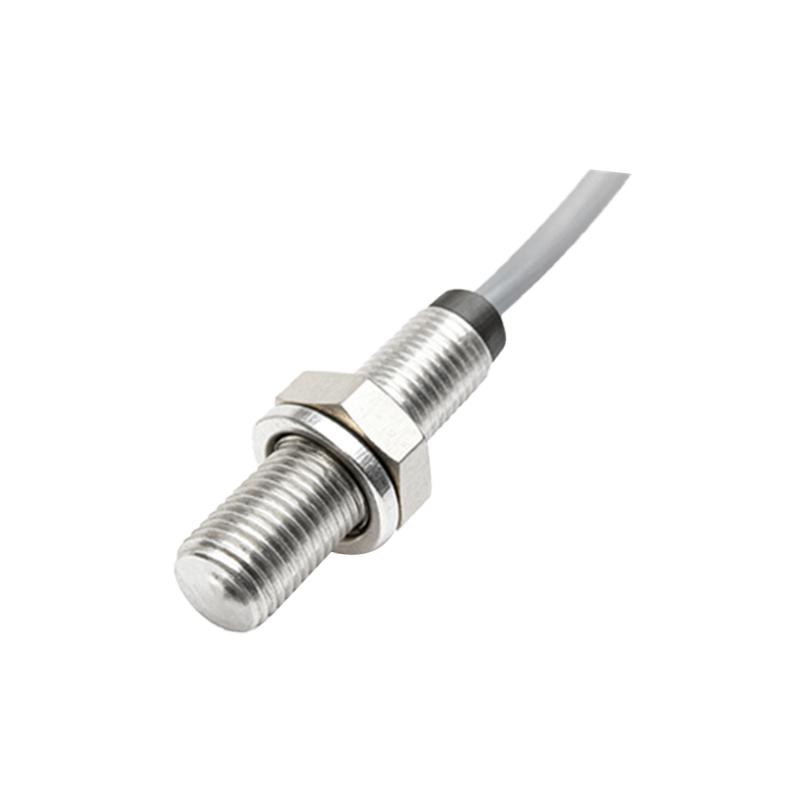
When selecting a mechanical proximity sensor, several key factors demand consideration. The first is the actuator type. Roller lever actuators are excellent for detecting the presence of objects moving in a single direction, such as on a conveyor. Plunger-type actuators offer precise, short-travel detection, perfect for end-of-travel limits. For applications requiring detection from multiple directions, a wobble stick or whisker actuator provides omnidirectional sensing. The choice of housing material is equally critical. For general industrial use, zinc die-cast or robust thermoplastic housings with IP67 ratings offer protection against dust and temporary water immersion. In highly corrosive environments, such as chemical plants or food processing, sensors with stainless steel (often 316L grade) housings and seals are mandatory to withstand frequent washdowns with aggressive cleaning agents.
Electrical ratings form the next crucial selection criterion. The sensor's contact configuration (SPDT, DPDT) and switching capacity must match the load. For directly controlling solenoids, motors, or pilot lights, heavy-duty switches with ratings of 10-15A at 250VAC are common. For interfacing with programmable logic controller (PLC) inputs, lower current ratings (e.g., 2A) are sufficient. Always verify both the AC and DC ratings, as inductive DC loads can be particularly challenging to interrupt. Long-term reliability is also tied to mechanical life expectancy, rated in millions of operations. A high-cycle application on a packaging machine will require a sensor with a 10+ million cycle rating, while a seldom-used safety door switch may suffice with a 1 million cycle rating.
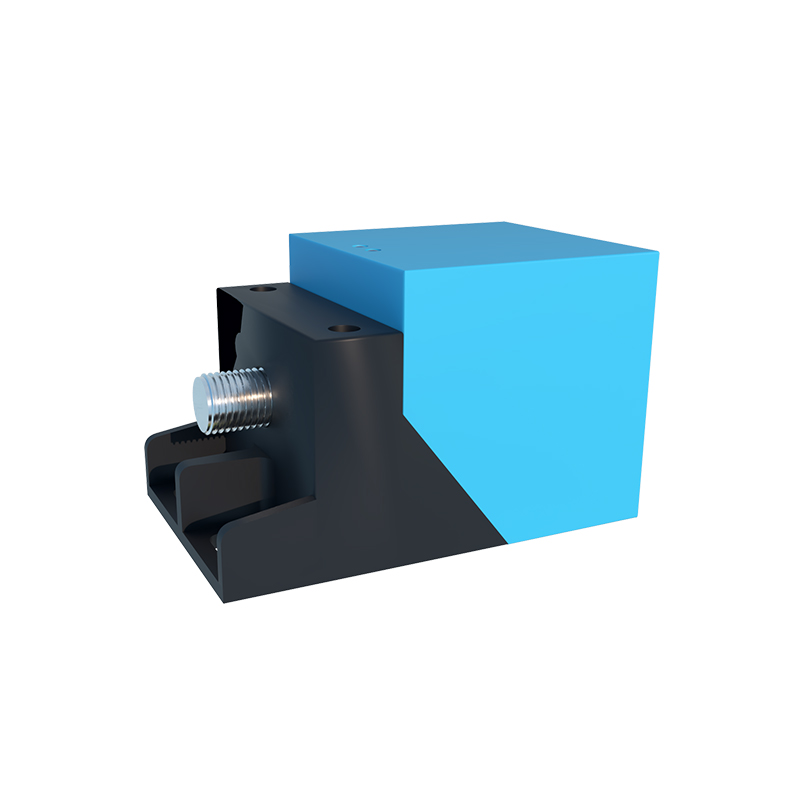
Based on these parameters, here are targeted recommendations for common industrial applications:
For heavy-duty material handling and automotive assembly lines, the robust metal-housed roller lever switch is a top choice. Look for models with sealed ball bearings in the roller arm to prevent grit ingress and ensure smooth, repeatable operation over millions of cycles. Their high current rating allows them to directly control sizeable contactors or motors for conveyor indexing.
In machine tooling and precision positioning equipment, precision plunger-type limit switches are indispensable. Recommended models feature a short pretravel and minimal overtravel, providing exact repeatability for tool carriage homing. Models with a positive opening mechanism (a safety feature that ensures contacts open even if the spring fails) are advised for any function related to personnel safety.
For harsh, washdown environments in food, beverage, and pharmaceutical industries, full stainless steel, hygienic-design sensors are the only viable option. The recommended sensors feature a polished finish with crevice-free design to prevent bacterial growth, CIP (Clean-in-Place) compatibility, and high-pressure, high-temperature washdown resistance. The actuator should be designed to shed fluids quickly.
In applications with limited space or where multi-directional detection is needed, such as in robotics or automated guided vehicles (AGVs), compact whisker or flexible rod actuators are highly effective. The recommended compact sensors offer a small footprint but maintain a high mechanical life. The flexible actuator can be bent to a specific shape, allowing for custom detection profiles without custom tooling.
Finally, for basic industrial applications requiring general-purpose limit sensing on doors, cabinets, or lighter machinery, cost-effective, thermoplastic-housed switches with a standard lever arm provide excellent value. Ensure they carry relevant international certifications (e.g., UL, CE) for compliance.
Installation and maintenance practices profoundly affect sensor lifespan. Always mount the sensor securely to prevent vibration-induced failure. Adjust the actuator position so that the operating object contacts it within the middle of its travel range, avoiding extreme overtravel which can damage internal mechanisms. Implement a regular inspection