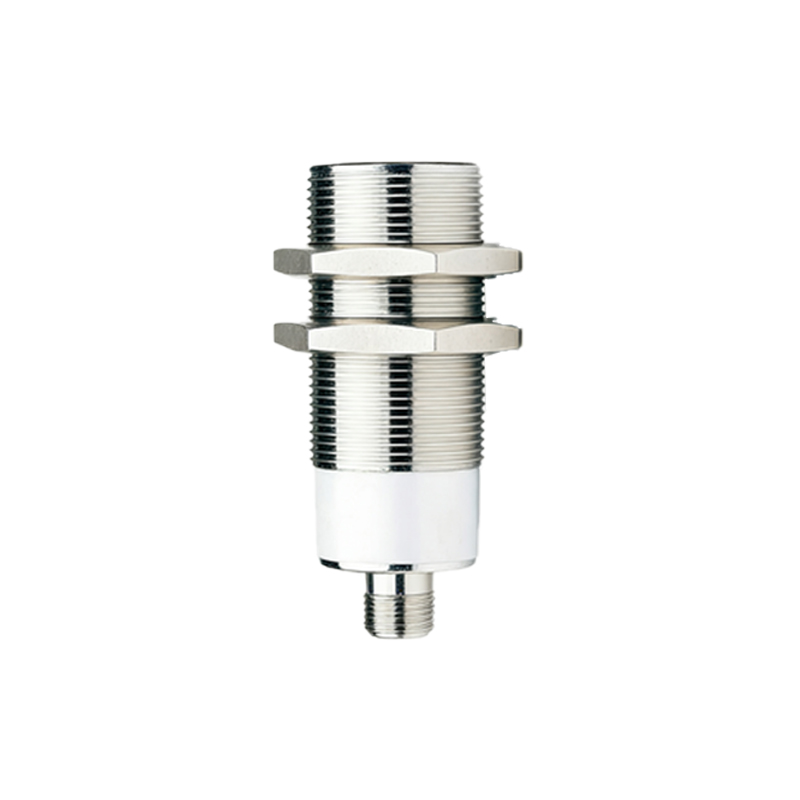
Proximity sensors are indispensable components in modern automation, robotics, and safety systems. Their reliable operation hinges on a stable and appropriate power supply, a factor often overlooked during system integration. This article delves into the critical aspects of powering proximity sensors, outlining design considerations, common pitfalls, and industry best practices to ensure optimal performance and longevity.
Unlike many active electronic components, proximity sensors, especially inductive and capacitive types, have unique power requirements dictated by their operating principle. Most industrial DC proximity sensors operate on a voltage range of 10-30V DC, with 12V and 24V being the most common standards. The first step is always to consult the manufacturer's datasheet for the specific model's nominal voltage, allowable voltage ripple, and inrush current characteristics. Supplying voltage outside the specified range can lead to erratic sensing behavior, reduced sensing distance, or permanent damage.
A key consideration is the choice between a two-wire and a three-wire (or four-wire) sensor, as this directly impacts the power wiring scheme. Two-wire sensors are connected in series with the load and the power supply. While simpler to wire, they have a residual voltage drop (leakage current) even when "off," which must be compatible with the load's minimum operating current. Three-wire sensors provide separate wires for power supply positive, power supply negative (common), and the load-switching output. This design offers superior performance, with minimal leakage current and faster switching speeds, but requires careful connection of the correct terminals.
Voltage regulation and noise immunity are paramount. Proximity sensors are frequently deployed in electrically noisy environments alongside large inductive loads like motors and solenoids. Voltage spikes, transients, and electromagnetic interference (EMI) can cause false triggering or sensor failure. Implementing a dedicated, well-regulated power supply for sensor circuits is highly recommended, isolating it from power lines driving heavy machinery. The use of shielded cables, with the shield properly grounded at one end, significantly reduces EMI pickup. Additionally, incorporating transient voltage suppression (TVS) diodes or RC snubber circuits across the sensor's power terminals or nearby inductive loads can clamp damaging voltage spikes.
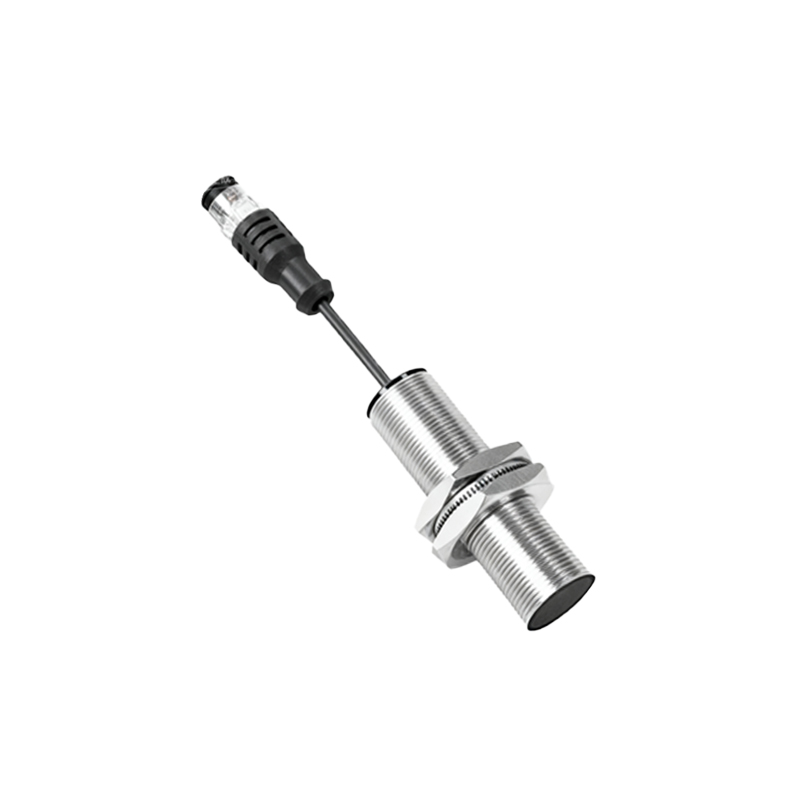
Current sourcing and sinking capacity is another vital factor. The power supply must be capable of delivering the total current draw of all connected sensors simultaneously, plus a safety margin (typically 20-30%). For three-wire sensors, one must correctly configure the output type: PNP (sourcing) or NPN (sinking). A PNP sensor switches the positive voltage to the load, while an NNP switches the negative side. The controller's input module must be compatible with this configuration. Mismatching these can lead to a non-functional circuit.
Wiring practices directly affect power integrity. Using the correct wire gauge is essential to prevent excessive voltage drop over long cable runs, which can lower the voltage at the sensor below its operational minimum. For 24V DC systems, a voltage drop of more than 2V is generally unacceptable. Secure, clean connections are critical; loose terminals cause intermittent power loss and arcing, generating heat and noise. Fusing the sensor power line is a fundamental safety practice to protect against short circuits.
Finally, for applications involving battery-powered or portable devices, power consumption becomes a critical design constraint. Selecting sensors with low quiescent current and considering duty-cycling strategies (powering the sensor only when a reading is needed) can dramatically extend battery life. Some modern sensors also feature sleep or power-saving modes for this purpose.
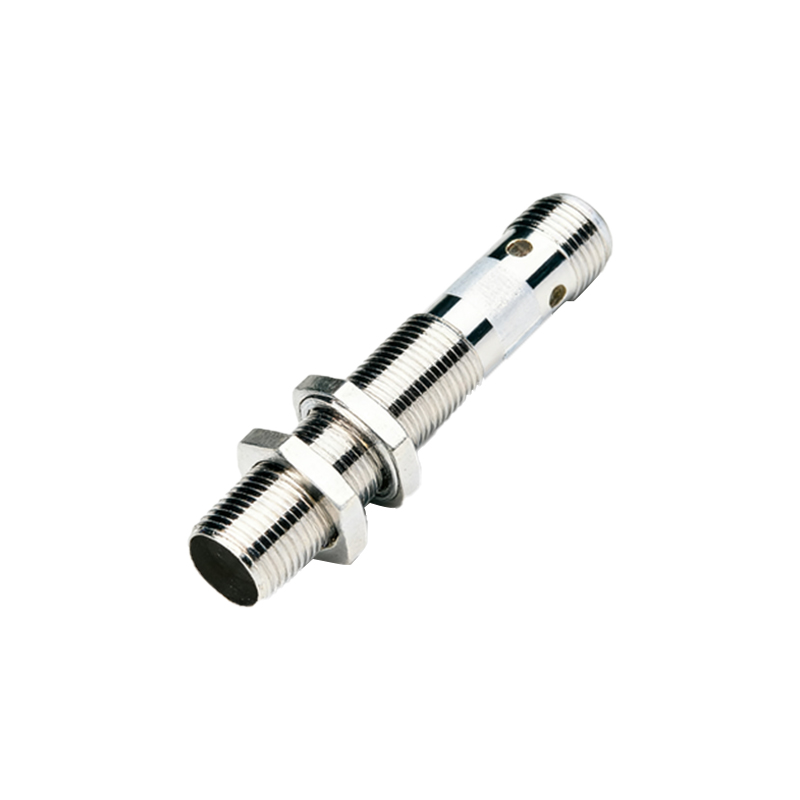
In summary, a robust power supply design for proximity sensors is not merely about providing the correct voltage. It involves a holistic approach considering sensor type, environmental noise, wiring integrity, load compatibility, and protection mechanisms. Adhering to these best practices during the design phase prevents field failures, reduces maintenance downtime, and ensures the sensing system performs reliably over its entire operational lifespan. Always prioritize clean, stable, and adequately protected power for these critical industrial components.