In today's rapidly evolving industrial and technological landscape, the one-size-fits-all approach to sensor technology is often insufficient. Proximity sensors, critical components for detection, positioning, and automation, frequently require customization to meet specific application demands. Off-the-shelf sensors provide a solid foundation, but tailoring them can unlock superior performance, reliability, and integration.
The journey of customizing a proximity sensor begins with a deep understanding of the application environment. Will the sensor operate in extreme temperatures, high-pressure conditions, or amidst corrosive chemicals? Standard housings may be inadequate. Customization can involve selecting specific materials like stainless steel grades, specialized plastics, or coatings that provide resistance to harsh elements. For instance, a sensor in a food processing plant might need a FDA-approved polymer housing and a smooth surface for easy cleaning, while one in a mining operation would require a ruggedized, dust-proof, and impact-resistant casing.
Detection range and sensing object characteristics are paramount. Inductive sensors are ideal for detecting metals, but what about the specific alloy, size, or shape? Customization can fine-tune the sensor's electromagnetic field to reliably detect small or non-ferrous targets. Capacitive sensors, used for non-metallic materials, can be calibrated for specific dielectric constants, whether detecting liquid levels through a tank wall or the presence of plastic granules. The sensing distance itself can be adjusted; sometimes a very short, precise range is needed to avoid false triggers, while other applications demand an extended range for early detection.
Output signal and electrical interface requirements are another key area. While standard PNP/NPN outputs are common, a custom solution might integrate analog outputs (4-20mA, 0-10V) for proportional distance measurement, or specific communication protocols like IO-Link for advanced diagnostics and parameter setting. The connector type, cable length, and ingress protection (IP) rating of the connection point can also be customized to simplify installation and ensure long-term integrity in challenging environments.
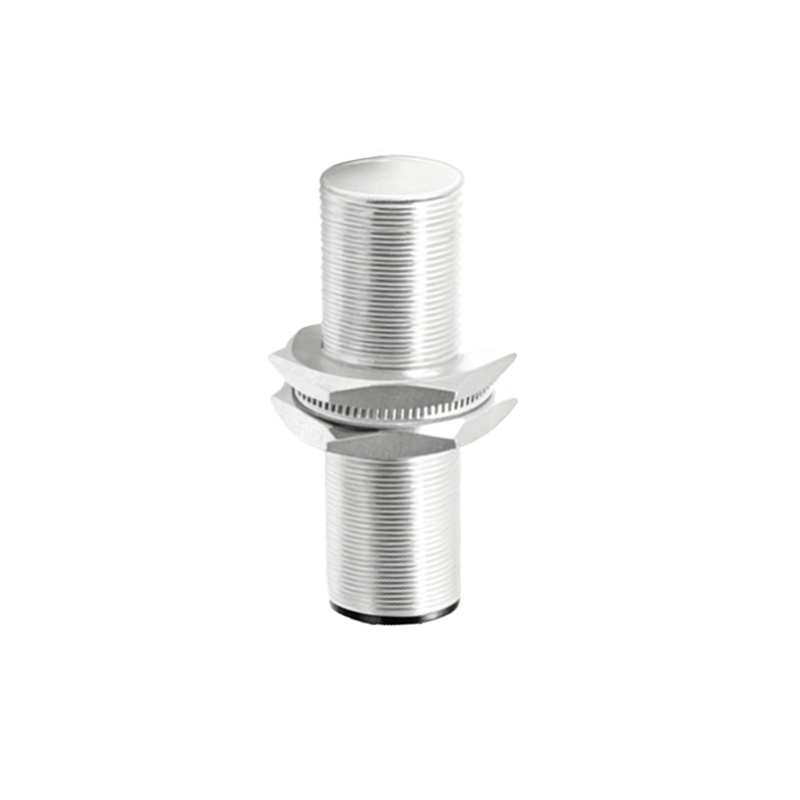
Form factor and mounting are often overlooked yet critical. The available space might necessitate a miniaturized sensor, a rectangular form instead of cylindrical, or a specific thread size. Custom brackets, flanges, or mounting holes can be designed to integrate seamlessly into existing machinery, reducing installation time and cost. In some cases, embedding the sensing element into a custom tool or assembly is the goal, requiring close collaboration between the sensor manufacturer and the client's engineering team.
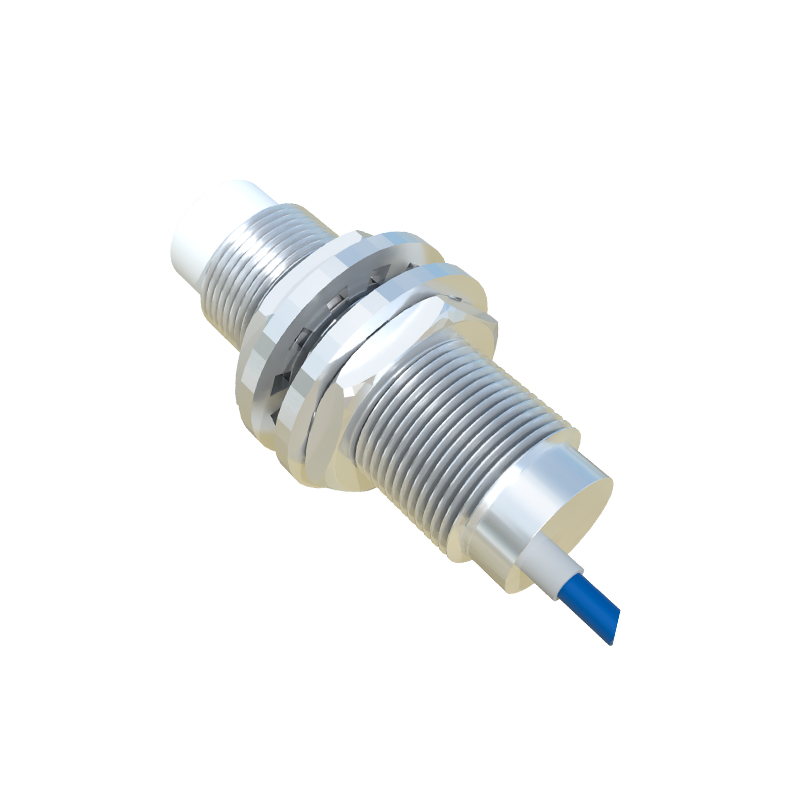
Specialized functionalities can be embedded through customization. This includes built-in timers for delay-on or delay-off operation, temperature compensation circuits for stable performance across a wide range, or unique logic functions. For safety-critical applications, redundancy can be designed in, or sensors can be customized to meet specific safety integrity levels (SIL) or Performance Level (PL) standards.
The process of customizing a proximity sensor is collaborative. It starts with a detailed specification from the client, outlining all operational parameters, environmental conditions, and performance expectations. Reputable sensor manufacturers then leverage their application engineering expertise to propose a solution, often involving prototypes for testing and validation. This iterative process ensures the final product performs flawlessly in its intended role.
While custom solutions may involve higher initial unit costs and longer lead times compared to standard catalog items, the long-term benefits are substantial. They lead to increased system efficiency, reduced downtime due to sensor failure, lower maintenance costs, and optimized machine design. A perfectly tailored sensor solves the exact problem it was designed for, eliminating compromises and workarounds.
In conclusion, the customization of proximity sensors is a powerful strategy for overcoming application-specific challenges. By focusing on environmental resilience, precise detection capabilities, electrical integration, mechanical form, and added functionality, businesses can develop sensing solutions that are not merely components but integral, optimized elements of their systems. Partnering with an experienced sensor provider is essential to navigate the customization process and achieve a reliable, high-performance outcome that drives operational excellence.