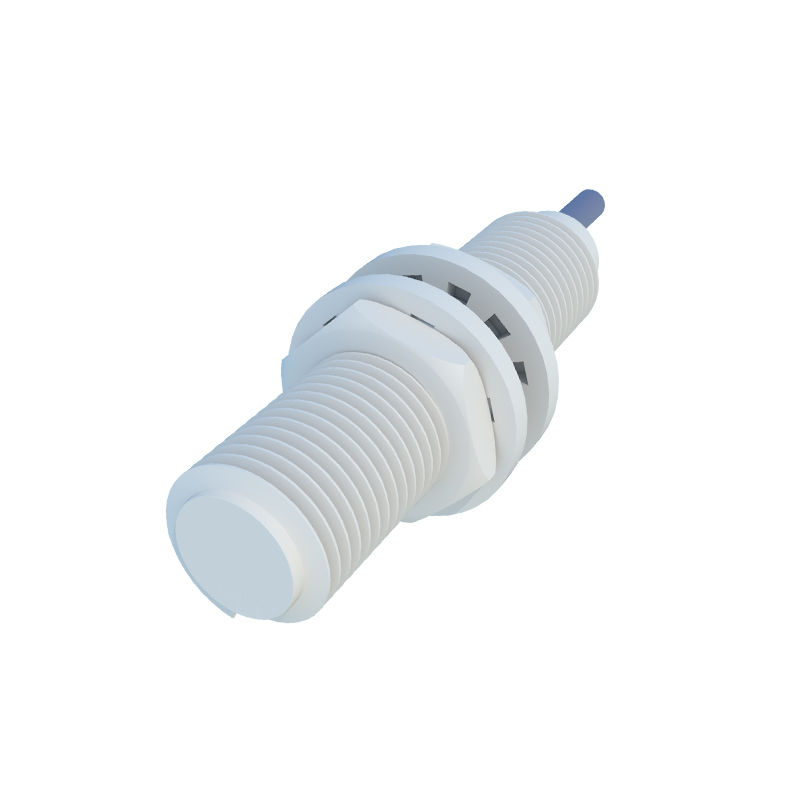
In the world of industrial automation and precision engineering, few components are as critical yet understated as the proximity sensor. These devices, which detect the presence or absence of objects without physical contact, form the silent nervous system of modern manufacturing. When it comes to the pinnacle of reliability, accuracy, and innovation in this field, Swiss-made proximity sensors stand in a league of their own. The reputation is not accidental; it is the direct result of a unique confluence of national ethos, engineering tradition, and relentless pursuit of perfection.
Switzerland's legacy in precision is legendary, spanning centuries from watchmaking to pharmaceuticals. This culture of exactitude is deeply embedded in its manufacturing DNA. Swiss proximity sensor manufacturers do not merely produce components; they craft instruments. Every stage, from the initial design conceptualization using advanced simulation software to the final calibration in sterile cleanrooms, is governed by protocols that would be considered excessive elsewhere. The materials selected are often specialty alloys or ceramics, chosen for their stability under thermal stress and resistance to corrosion. The housing of a typical Swiss inductive or capacitive sensor is not just a shell; it is a hermetically sealed fortress designed to withstand extreme pressures, temperatures from cryogenic levels to over 200°C, and exposure to aggressive coolants or washdowns in food and beverage applications.
The performance metrics tell a compelling story. While a standard sensor might boast a repeat accuracy of a few micrometers, its Swiss counterpart is often calibrated to sub-micron levels. This means that in a high-speed packaging line or a robotic assembly cell, the sensor triggers with near-absolute consistency, millions of times a day, for years on end. This reduces product waste, prevents machine jams, and virtually eliminates false triggers—a key factor in achieving the coveted "zero defect" production goals of industries like medical device manufacturing and aerospace.
Innovation is another cornerstone. Swiss companies are at the forefront of integrating smart functionalities into proximity sensing. Modern Swiss sensors are increasingly IO-Link enabled, transforming them from simple binary switches into intelligent data points on the Industrial Internet of Things (IIoT) network. They can communicate not just "object detected," but also internal temperature, operating voltage, signal strength, and even predict maintenance needs based on performance drift. This allows for predictive maintenance, where a technician is alerted to a potential sensor degradation weeks before a failure, scheduling a replacement during a planned downtime rather than facing a costly, unexpected production halt.
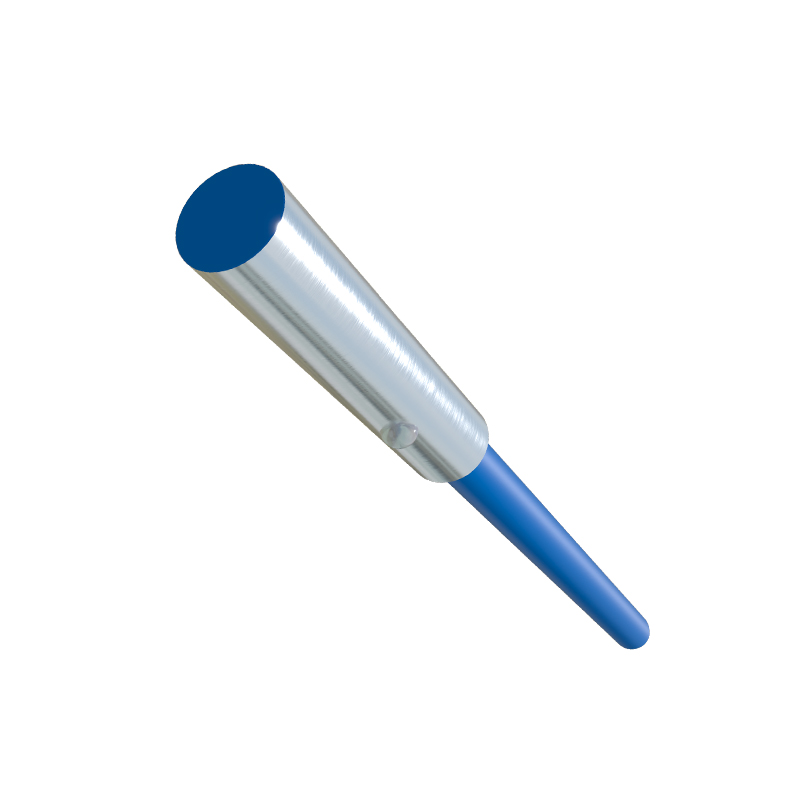
The application spectrum is vast and demanding. In the watchmaking and micro-mechanics industries, miniature capacitive sensors with resolutions down to a few nanometers verify the placement of tiny gears. In pharmaceutical bottling lines, specialized hygienic designs ensure no bacterial entrapment while counting vials at blistering speeds. On the snowy passes of the Alps, robust ultrasonic and laser sensors guide autonomous snow groomers, their electronics hardened to function flawlessly at -40°C. The Swiss sensor's ability to perform in such diverse and harsh environments is a testament to its over-engineering—a principle where products are built to specifications far beyond the nominal requirements of the datasheet.
Furthermore, the ecosystem surrounding these sensors is part of their value proposition. Swiss technical support is renowned for its depth and responsiveness. Engineers provide not just product selection, but holistic system integration advice, understanding that a sensor is only as good as its installation and integration. The documentation accompanying each unit is exhaustive, with detailed charts on temperature drift, electromagnetic compatibility, and long-term drift characteristics—data that many competitors do not even measure.
In conclusion, selecting a Swiss proximity sensor is seldom a decision based solely on initial cost. It is an investment in total cost of ownership, system uptime, and product quality. It represents a choice for a component that embodies the quiet confidence of Swiss engineering: unseen, unheard, yet fundamentally indispensable for operations where failure is not an option. In the relentless drive towards Industry 4.0, where data integrity and machine reliability are paramount, the precision, intelligence, and ruggedness of the Swiss proximity sensor make it not just a tool, but a strategic asset for any enterprise committed to excellence.