In the realm of automation and safety systems, the ability to detect human presence without physical contact is paramount. Photoelectric proximity sensors have emerged as a critical technology for this purpose, offering reliable, non-intrusive detection across a diverse range of applications. These sensors operate on a simple yet effective principle: they emit a beam of light, typically infrared, visible red, or laser, and detect changes in the received light signal caused by an object—or a person—entering the sensing field.
The core technology can be divided into several main types, each suited to specific scenarios. Through-beam sensors consist of separate emitter and receiver units. The detection occurs when a person interrupts the light beam traveling between them. This type offers the longest sensing range and high accuracy but requires careful alignment of two separate components. Retro-reflective sensors use a single unit that houses both the emitter and receiver, along with a reflector placed opposite. The sensor detects an object when the reflected beam is blocked. Diffuse or reflective sensors are the most common for general proximity detection. Here, the emitter and receiver are in the same housing, and the sensor detects light reflected directly off the target itself. The sensing distance is typically shorter and can be influenced by the target's color and reflectivity.
For human detection specifically, these sensors are engineered with particular considerations. The wavelength of light is often in the infrared spectrum to be invisible and unobtrusive. Advanced models incorporate background suppression technology or use time-of-flight (ToF) principles. Background suppression allows the sensor to ignore objects beyond a set distance, focusing only on the desired detection zone, which is crucial for avoiding false triggers from walls or machinery. Time-of-flight sensors measure the time it takes for a light pulse to travel to the target and back, calculating distance with high precision, enabling not just detection but also presence and positioning data.
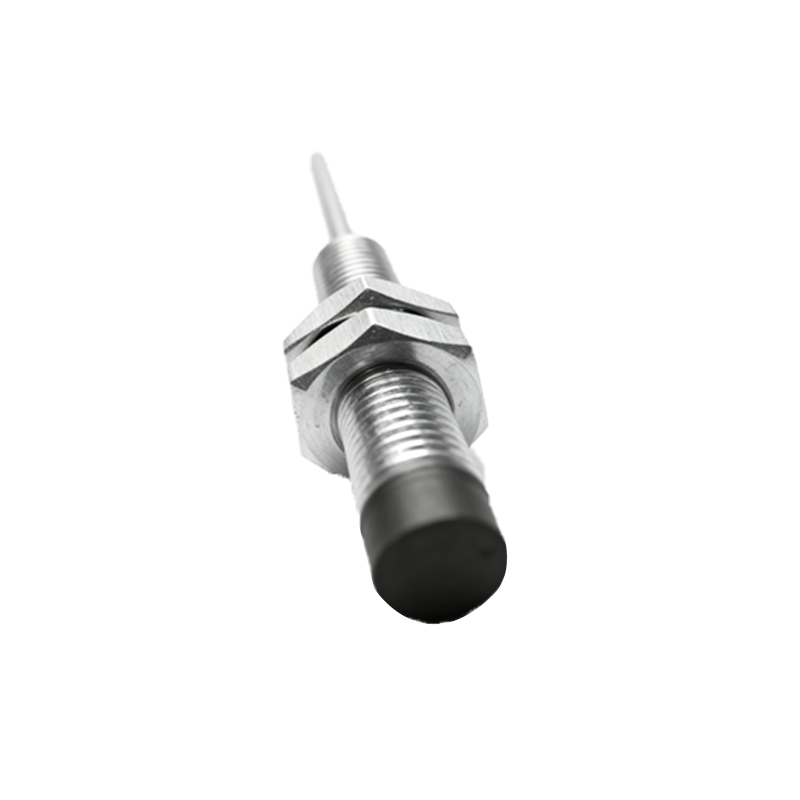
The applications for photoelectric human proximity sensors are vast and growing. In industrial safety, they form the backbone of machine guarding systems. Light curtains, which are arrays of through-beam sensors, create an invisible protective screen around hazardous machinery. If a worker's hand or body breaks any beam, the system immediately halts the machine operation, preventing accidents. In the realm of building automation, these sensors enable energy efficiency and convenience. They automatically control lighting in offices, warehouses, and restrooms, turning lights on upon detecting occupancy and off when the area is vacant. Similarly, they manage automatic doors, faucets, and hand dryers, promoting hygiene and hands-free operation.

The consumer electronics and automotive industries also heavily rely on this technology. Smartphones use miniature proximity sensors to disable the touchscreen when held to the ear during a call. In modern vehicles, sensors monitor the driver's presence in the seat for airbag deployment logic and can detect occupants for climate control customization. Furthermore, they are integral to advanced driver-assistance systems (ADAS), monitoring for pedestrians or cyclists in close proximity to the vehicle.
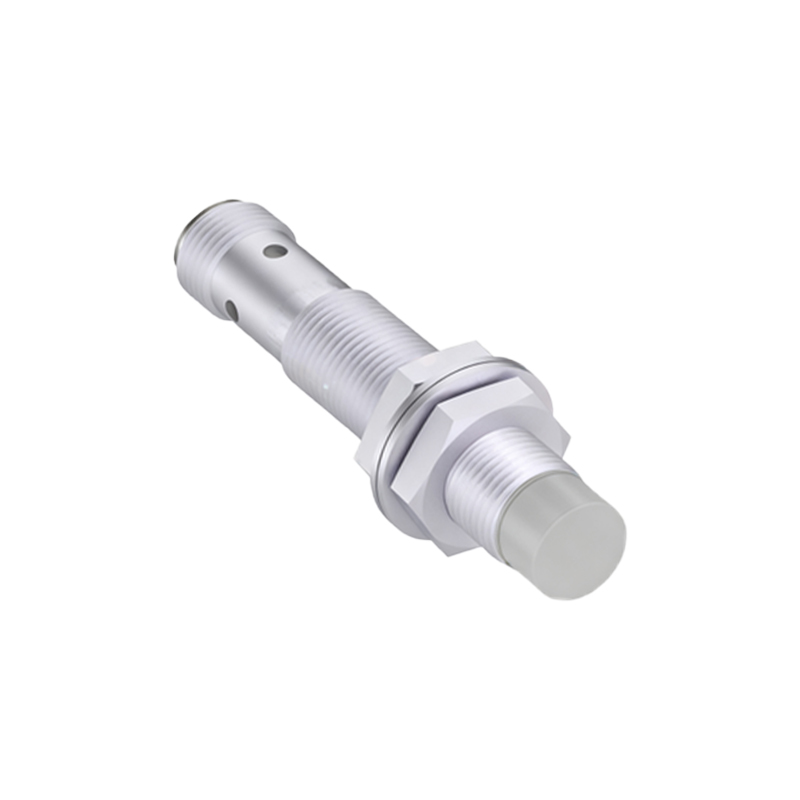
Selecting the right photoelectric sensor for a human detection task requires evaluating several factors. Sensing range, response time, and environmental robustness (against dust, moisture, or ambient light interference) are primary concerns. The size and form factor must fit the installation space. Modern sensors offer programmability, allowing engineers to set sensitivity, timing functions, and output logic (light-on or dark-on) to match the specific application need. Connectivity options have also evolved from simple relay outputs to include IO-Link, which provides detailed diagnostic data and parameterization capabilities for Industry 4.0 environments.
Despite their robustness, challenges exist. Highly reflective or dark clothing can affect the performance of diffuse sensors. Environmental factors like fog, dust, or direct sunlight can sometimes interfere with the light beam. Therefore, proper selection, installation, and periodic maintenance are essential for optimal performance. Manufacturers continue to innovate, developing sensors with stronger resistance to environmental noise, longer ranges from compact housings, and smarter onboard logic.
In conclusion, photoelectric proximity sensors provide a versatile, efficient, and reliable solution for detecting human presence. From safeguarding factory workers to enabling smart, energy-efficient buildings and enhancing user experience in everyday devices, their role is indispensable. As technology progresses towards more interactive and safe automated environments, the precision and adaptability of photoelectric sensing will continue to be a foundational element in the invisible infrastructure that interacts with and protects people.