In the world of industrial automation and electronic control systems, the term "sensor" encompasses a vast array of devices designed to detect and respond to inputs from the physical environment. Among these, proximity switches hold a fundamental and widespread position. It is accurate and essential to state that a proximity switch is, unequivocally, a type of sensor. Specifically, it is a non-contact sensor that detects the presence or absence of an object within its sensing range without any physical contact. This core functionality defines its role as a sensor, converting a physical parameter—the presence of an object—into an electrical signal that can be processed by a control system.
The principle of operation is what distinguishes different types of proximity switches and solidifies their sensor classification. The most common variants include inductive, capacitive, ultrasonic, and photoelectric (optical) proximity switches. An inductive proximity switch generates an electromagnetic field. When a metallic object enters this field, it causes a change in the oscillation amplitude, which the switch's circuit detects and converts into a discrete on/off output signal. This makes it an ideal sensor for detecting metal parts in machinery, such as in conveyor systems or robotic arms. A capacitive proximity switch, on the other hand, can detect both metallic and non-metallic materials (like plastic, wood, or liquids) by sensing changes in capacitance caused by the object's dielectric properties. This allows it to function as a level sensor for tanks or a sensor for material presence.
Ultrasonic proximity switches operate by emitting high-frequency sound waves and measuring the time it takes for the echo to return. The detection of an object alters the echo pattern or return time. Photoelectric switches use a beam of light (visible, infrared, or laser) and detect interruptions or reflections of that beam. In all these cases, the proximity switch acts as the sensory organ of a larger system, providing critical binary information: object present or object not present.
The applications of proximity switches as sensors are virtually limitless across industries. In manufacturing, they are indispensable for position sensing, ensuring a robotic gripper is correctly aligned before closing, or counting products on a high-speed bottling line. They provide end-of-travel detection for moving parts, preventing damage and enhancing safety. In automotive assembly plants, thousands of these sensors ensure precision and sequence in the build process. Beyond heavy industry, they are found in everyday devices. The automatic faucet in a public restroom often uses an infrared photoelectric sensor to detect hands. The automatic doors at supermarkets use similar sensing technology. In consumer electronics, smartphones use capacitive proximity sensors to turn off the display during a phone call when held near the ear.
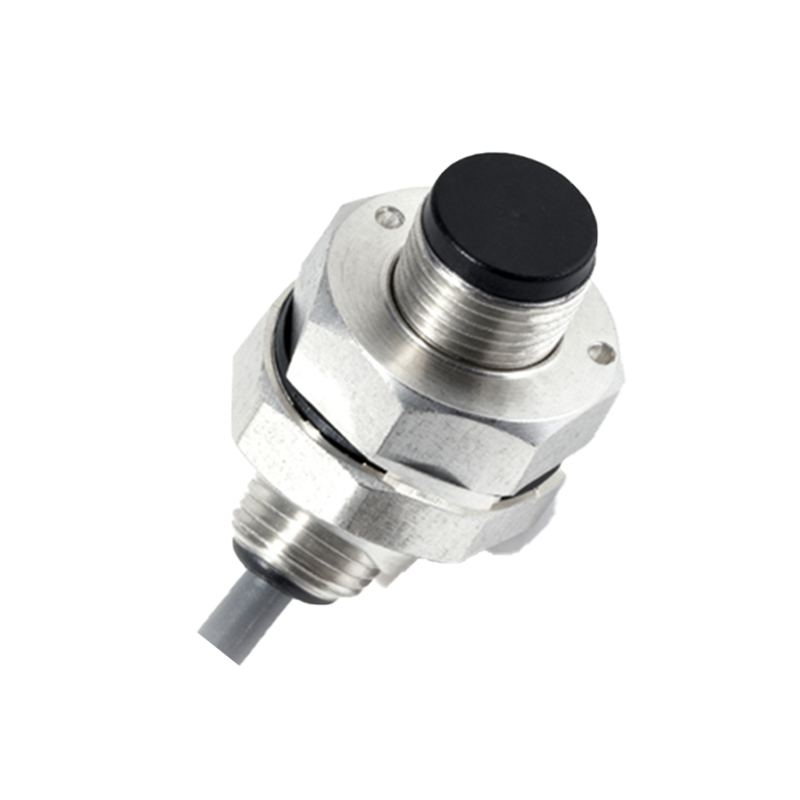
The advantages of using proximity switches as sensors are numerous. Their non-contact nature means no wear and tear from physical interaction, leading to exceptionally long service life and high reliability. They can operate at very high speeds, suitable for fast-moving production lines. They are generally resistant to environmental factors like dirt, dust, and moisture (with appropriate ingress protection ratings), making them robust solutions for harsh industrial environments. Furthermore, their output is a clean, digital signal that is easy for Programmable Logic Controllers (PLCs) and other control units to interpret, simplifying system design and integration.
When selecting a proximity switch for a specific sensing task, several key parameters must be considered, just as with any sensor. The sensing range, or the maximum distance at which it can reliably detect a standard target, is primary. The type of output (e.g., NPN or PNP transistor, normally open or normally closed) must be compatible with the control system's input card. Environmental conditions like temperature, potential chemical exposure, and electrical noise are critical factors. The size and shape of the switch itself must fit the mechanical constraints of the application.
In conclusion, categorizing proximity switches as anything other than sensors would be a fundamental misunderstanding of their function. They are a vital subclass of sensors dedicated to presence detection. By providing a simple, reliable, and non-contact method of obtaining binary positional data, they form the backbone of modern automated systems. From ensuring the smooth operation of a complex industrial robot to enabling the convenience of an automatic paper towel dispenser, proximity switches exemplify the power of sensor technology in translating physical events into actionable information for control and decision-making. Their continued evolution, including miniaturization and enhanced intelligence with IO-Link communication, ensures they will remain a cornerstone of sensing technology for the foreseeable future.