In the realm of automation and smart technology, the ability to detect the presence or absence of an object without physical contact is fundamental. This is where the proximity sensor module becomes an indispensable component. Unlike simple standalone sensors, a proximity sensor module is an integrated unit, typically comprising the sensor element itself, supporting circuitry, and often a standardized interface for easy connection to microcontrollers like Arduino, Raspberry Pi, or industrial PLCs. This modular design simplifies implementation, reduces development time, and enhances reliability.
The core working principle of a proximity sensor module revolves around emitting a field or beam of electromagnetic radiation and detecting changes in the return signal. The most common types include inductive, capacitive, and infrared (IR) modules, each suited to different materials and environments. Inductive proximity sensor modules generate an oscillating electromagnetic field. When a metallic object enters this field, it induces eddy currents within the object, causing a detectable change in the oscillation amplitude. This change is processed by the module's internal circuitry, which then provides a clear digital or analog output signal. These modules are ideal for detecting metals in industrial settings, such as in conveyor systems or machine tools, and are largely unaffected by non-metallic substances.
Capacitive proximity sensor modules, on the other hand, can detect both metallic and non-metallic objects, including liquids, plastics, and wood. They operate by generating an electrostatic field. Any object that enters this field alters the capacitance of the system. The module's circuit detects this change and triggers an output. This makes capacitive modules perfect for level sensing in tanks, material handling, and touch-sensitive interfaces.
Infrared (IR) proximity modules use an infrared LED to emit light and a photodiode or phototransistor to detect its reflection. The intensity of the reflected light indicates the distance to an object. Some advanced IR modules use modulated light to filter out ambient light interference. Ultrasonic modules, another popular variant, calculate distance by measuring the time-of-flight of high-frequency sound waves. Both IR and ultrasonic types are widely used in robotics for obstacle avoidance, in automatic faucets and towel dispensers, and in parking assist systems.
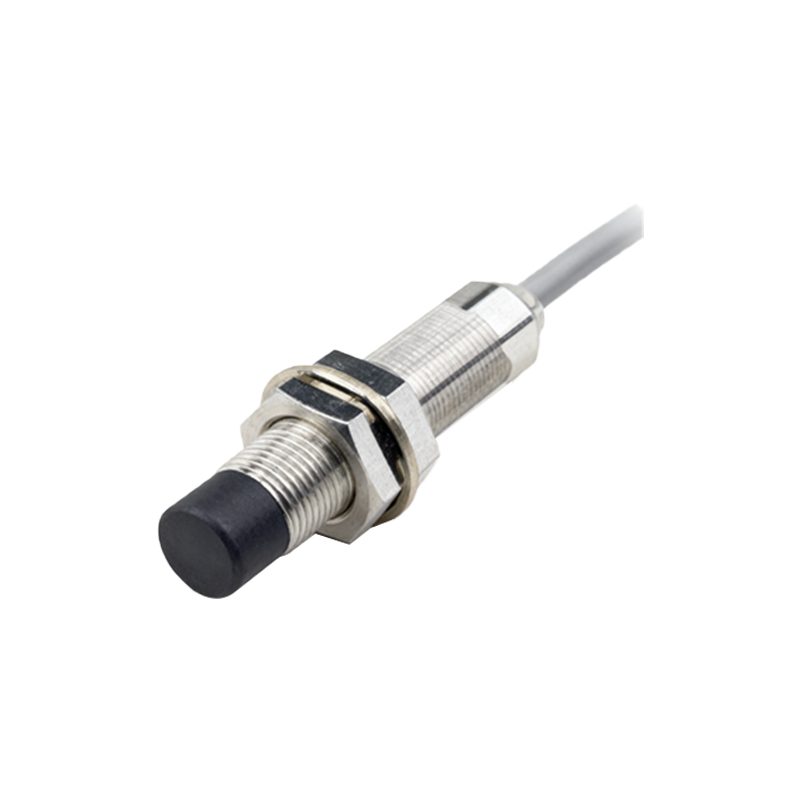
A key advantage of using a module over a raw sensor is the integrated signal conditioning. The raw signal from a sensor is often weak and noisy. The module's onboard electronics amplify, filter, and convert this signal into a clean, readable format, such as a digital HIGH/LOW signal or a precise analog voltage. Many modules also feature adjustable sensing ranges via potentiometers and built-in LEDs for visual status indication. The standardized pinouts (VCC, GND, Output) and communication protocols (like I2C for some advanced models) make them plug-and-play components for hobbyists and engineers alike.
The applications of proximity sensor modules are vast and growing. In consumer electronics, they disable touchscreens when a phone is held to the ear. In home automation, they trigger lights or security alarms. In automotive systems, they enable blind-spot detection and automatic braking. In industrial automation, they are the eyes of the assembly line, ensuring precise positioning, counting objects, and providing safety interlocking for machinery. Their role in the Internet of Things (IoT) is particularly significant, as they provide the essential data about physical presence and position to smart systems.
When selecting a proximity sensor module, several factors must be considered. The sensing range, response time, and the material of the target object are primary concerns. Environmental conditions like temperature, humidity, and the presence of dust or chemicals can affect performance, so choosing a module with an appropriate ingress protection (IP) rating is crucial. The output type (NPN/PNP for digital, 0-5V/4-20mA for analog) must be compatible with the control system. Finally, cost and physical size are always practical considerations in any design.
In conclusion, the proximity sensor module is a mature, versatile, and critical technology that bridges the physical and digital worlds. By providing a reliable, contactless method of detection, it enables smarter, safer, and more efficient systems across countless industries. Its evolution continues, with trends pointing towards miniaturization, lower power consumption for battery-operated devices, and increased intelligence with onboard processing, further solidifying its role as a foundational building block in modern electronic design.