Proximity sensors are essential components in modern automation and electronic systems, detecting the presence or absence of objects without physical contact. Among various types, ceramic-based proximity sensors stand out for their durability, stability, and precision. This article delves into the working principle of proximity sensors utilizing ceramic materials, explaining their operation, advantages, and applications in a clear, technical manner.
At the core of a ceramic proximity sensor is the use of ceramic as a dielectric or sensing element. Ceramics, typically composed of materials like aluminum oxide (Al2O3) or zirconium dioxide (ZrO2), offer excellent electrical insulation, thermal stability, and resistance to environmental factors such as moisture, chemicals, and high temperatures. These properties make ceramics ideal for harsh industrial environments where other materials might degrade. The principle of operation often relies on capacitive or inductive sensing mechanisms, with ceramics playing a key role in enhancing sensitivity and reliability.
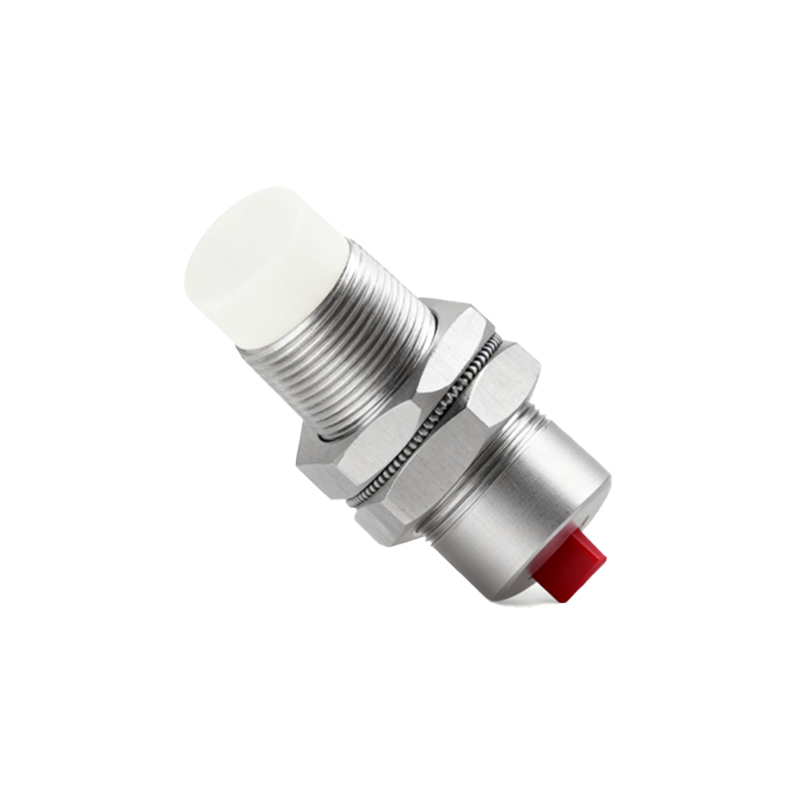
In capacitive ceramic proximity sensors, the ceramic acts as a dielectric medium between two electrodes. When an object approaches the sensor, it alters the capacitance of the system by changing the dielectric constant or the distance between the electrodes. Ceramics have a high dielectric constant, which amplifies this change, allowing the sensor to detect objects with high accuracy even at small distances. The sensor's electronics measure the capacitance shift and convert it into an electrical signal, triggering an output when a threshold is reached. This makes ceramic capacitive sensors suitable for detecting non-metallic objects like plastics, liquids, or biological materials, where other sensors might fail.
For inductive ceramic proximity sensors, ceramics are used as a protective housing or core material to support coil windings. These sensors detect metallic objects by generating an electromagnetic field. When a metal object enters this field, it induces eddy currents, which change the inductance of the coil. Ceramics provide thermal and mechanical stability to the coil, ensuring consistent performance under varying conditions. The high resistivity of ceramics prevents energy loss, improving efficiency and range. Inductive ceramic sensors are commonly used in automotive, manufacturing, and robotics for detecting metal parts, offering fast response times and long service life.
The advantages of ceramic in proximity sensors are multifaceted. Firstly, ceramics exhibit minimal thermal expansion, meaning they maintain their shape and electrical properties across a wide temperature range, from sub-zero to several hundred degrees Celsius. This thermal stability reduces calibration drift and enhances long-term reliability. Secondly, ceramics are highly resistant to wear, corrosion, and impact, making them suitable for abrasive or corrosive environments, such as in mining, chemical processing, or outdoor applications. Thirdly, the inert nature of ceramics prevents contamination, which is crucial in cleanroom settings or food industry applications where hygiene is paramount.
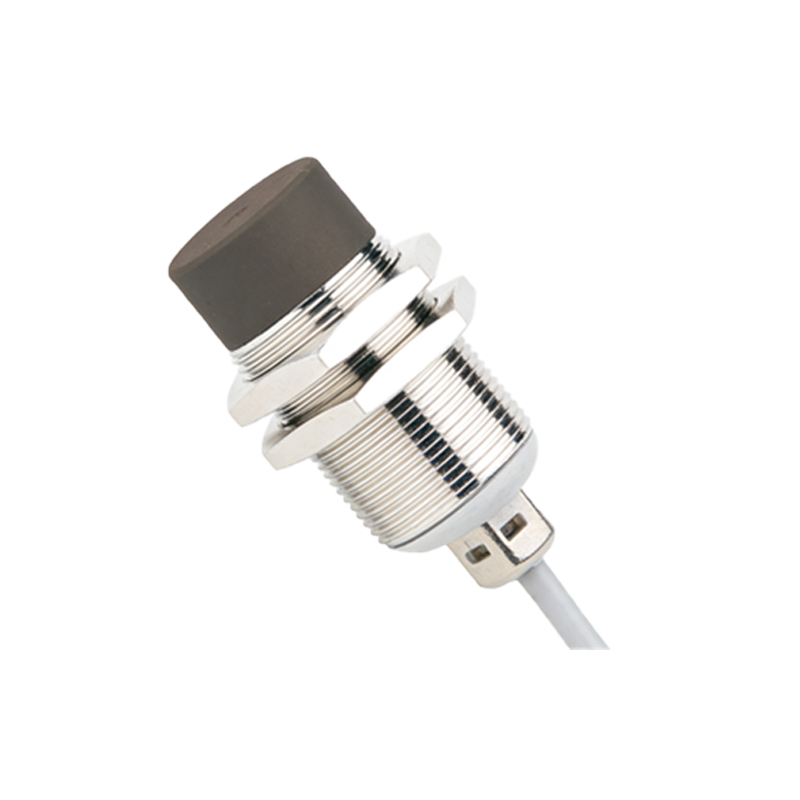
In terms of applications, ceramic proximity sensors are widely deployed across industries. In automotive systems, they monitor brake wear, detect gear positions, or ensure safety in airbag deployment. In industrial automation, they enable precise object detection on conveyor belts, machine tool positioning, and robotic arm control. Medical devices utilize ceramic sensors for non-invasive monitoring, such as in infusion pumps or diagnostic equipment, where accuracy and sterility are critical. Additionally, consumer electronics, like smartphones and appliances, incorporate miniature ceramic sensors for touchless interfaces or proximity detection to conserve power.
Despite their benefits, ceramic proximity sensors do have limitations. They can be more expensive than plastic or metal alternatives due to the cost of ceramic fabrication and processing. Also, while ceramics are robust, they can be brittle and may crack under extreme mechanical stress, requiring careful installation and handling. However, advancements in ceramic composites and manufacturing techniques are addressing these issues, leading to more resilient and cost-effective solutions.
In summary, the working principle of proximity sensor ceramics hinges on their exceptional material properties, enabling reliable non-contact detection through capacitive or inductive means. By leveraging ceramics' dielectric strength, thermal stability, and environmental resistance, these sensors deliver high performance in diverse settings. As technology evolves, ceramic proximity sensors continue to play a pivotal role in enhancing automation, safety, and efficiency across various sectors, underscoring their importance in modern engineering and design.