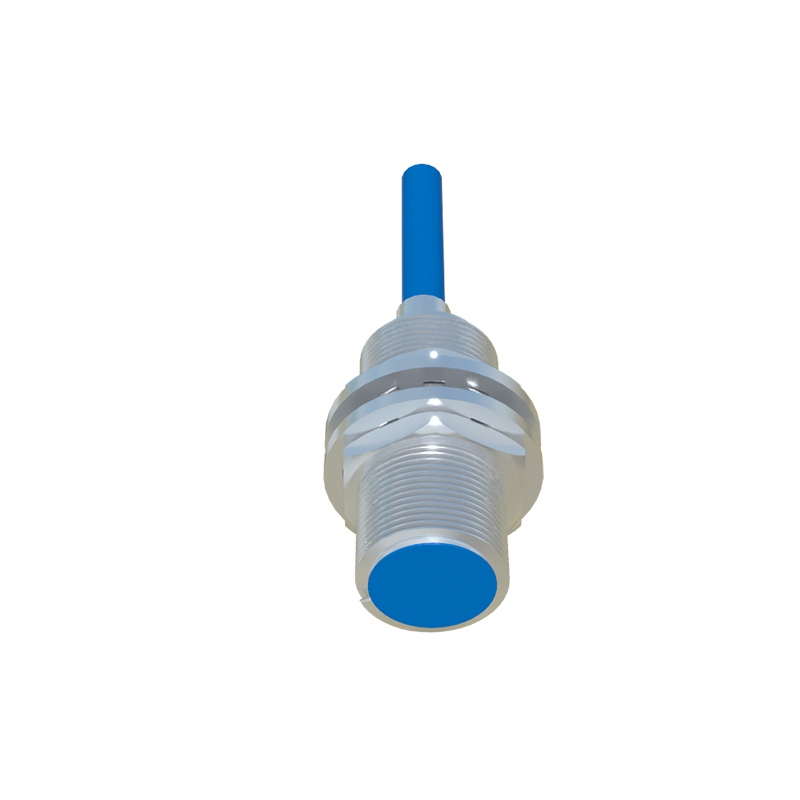
In industrial automation and machinery design, proximity sensors play a crucial role in non-contact detection, ensuring efficiency, safety, and precision. Among the diverse form factors available, the square cylinder standard proximity sensor has emerged as a widely adopted and reliable solution. This guide delves into the design, functionality, applications, and selection criteria for these essential components.
The defining characteristic of a square cylinder standard proximity sensor is its housing. Unlike cylindrical sensors, it features a square or rectangular cross-section. This shape offers distinct practical advantages. It provides a flat surface that prevents unwanted rotation after installation, ensuring the sensing face remains correctly oriented. This is particularly valuable in tight spaces or on vibrating machinery where a cylindrical sensor might loosen or turn. The standard dimensions of these housings allow for easy integration into standardized mounting brackets and panels designed for industrial control systems.
These sensors operate on the principle of electromagnetic induction or capacitive coupling, depending on the target material they are designed to detect. Inductive sensors are the most common type for metallic targets. They generate an oscillating electromagnetic field from the sensing face. When a conductive metal object enters this field, it induces eddy currents within the target, which in turn dampens the sensor's oscillation. This change is detected by the internal circuitry, triggering a solid-state output signal. For non-metallic targets like plastics, liquids, or wood, capacitive variants are used. They detect changes in capacitance caused by the presence of any material that alters the dielectric constant near the sensing face.

The performance of a square cylinder standard proximity sensor is specified by several key parameters. The sensing distance, or nominal range, indicates the maximum distance at which a standard target can be reliably detected. It is critical to note that this distance can vary with target material, size, and shape. The housing material, typically nickel-plated brass, stainless steel, or engineered plastics like PBT, determines environmental resilience. High-quality sensors offer ingress protection ratings such as IP67 or IP69K, making them resistant to dust, water jets, and washdowns common in food processing or pharmaceutical environments. Electrical output types include NPN (sinking), PNP (sourcing), or Normally Open/Normally Closed configurations, which must be matched to the control system's input card.
Applications for these robust sensors are vast. They are extensively used in material handling systems for detecting the presence or absence of boxes, pallets, or products on conveyor lines. In automated assembly, they verify if a component is correctly positioned before a robotic arm proceeds with its task. Machine tools employ them as end-of-travel limit switches or for tool breakage detection. Their sturdy build makes them suitable for harsh conditions in automotive manufacturing, packaging machinery, and woodworking equipment. The square shape facilitates side-by-side mounting without the risk of them rolling into contact with each other, a common issue with cylindrical models.
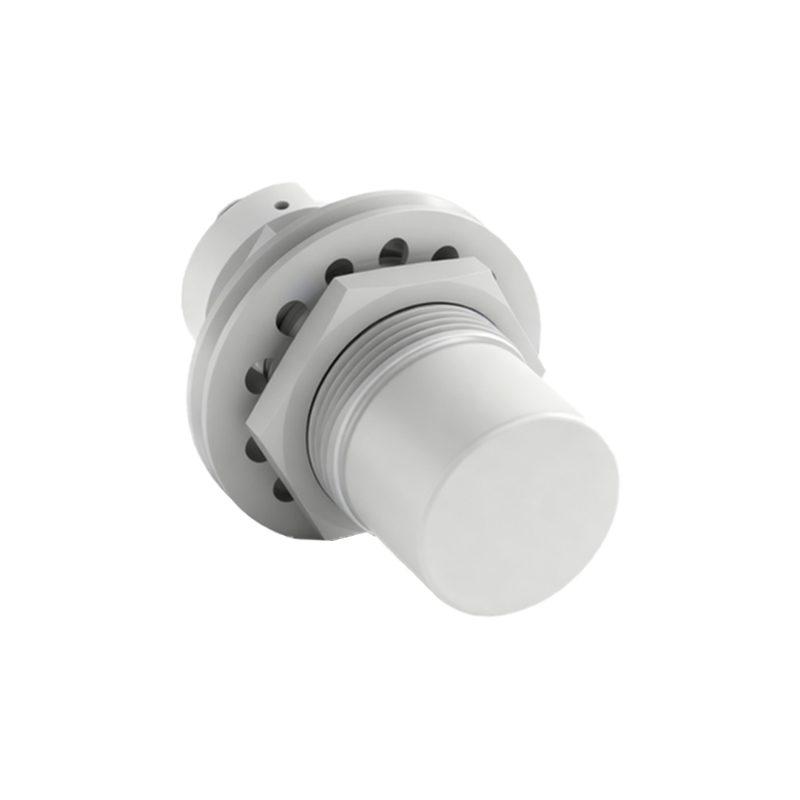
Selecting the right sensor requires careful consideration. First, identify the target material to choose between inductive and capacitive technologies. Next, determine the required sensing range and ensure the physical size of the sensor fits the available space. The operating voltage (commonly 10-30V DC or 90-250V AC) must be compatible with the plant's power supply. Environmental factors like temperature extremes, exposure to chemicals, or potential physical impact dictate the needed housing material and protection rating. Finally, consider the electrical connection style—pre-wired cables, quick-disconnect connectors, or terminal blocks—based on maintenance and installation preferences.
Installation and maintenance are straightforward but vital for optimal performance. Mount the sensor securely, ensuring the sensing face is parallel to the target and free from obstructions. Maintain a minimum clearance between multiple sensors to prevent mutual interference. While these devices are generally maintenance-free, periodic checks for physical damage, accumulation of debris on the sensing face, and verification of output signals are recommended as part of a preventive maintenance routine.
In summary, the square cylinder standard proximity sensor represents a perfect blend of practical design and robust functionality. Its non-rotating housing, reliable detection capabilities, and environmental durability make it a cornerstone of modern industrial automation. By understanding its operating principles and specifications, engineers and technicians can effectively integrate these sensors to enhance system reliability, automate processes, and improve overall operational safety.