In the realm of industrial automation and precise object detection, the 7503 proximity sensor stands as a reliable and widely utilized component. This non-contact sensor is engineered to detect the presence or absence of an object within its sensing range without any physical contact, making it indispensable in environments demanding hygiene, speed, and durability. Unlike mechanical limit switches, the 7503 sensor operates on an electromagnetic principle, offering a long operational life and consistent performance even in challenging conditions.
The core technology behind the 7503 series typically involves an inductive sensing method. It generates an electromagnetic field from its active face. When a metallic object enters this field, it causes a change in the oscillation amplitude within the sensor's internal circuit. This change is detected and converted into a clean, digital output signal—either normally open (NO) or normally closed (NC)—that can be seamlessly integrated with programmable logic controllers (PLCs), relays, or other control systems. This design makes it particularly effective for detecting ferrous metals like steel and iron, though some variants are tuned for non-ferrous metals as well.
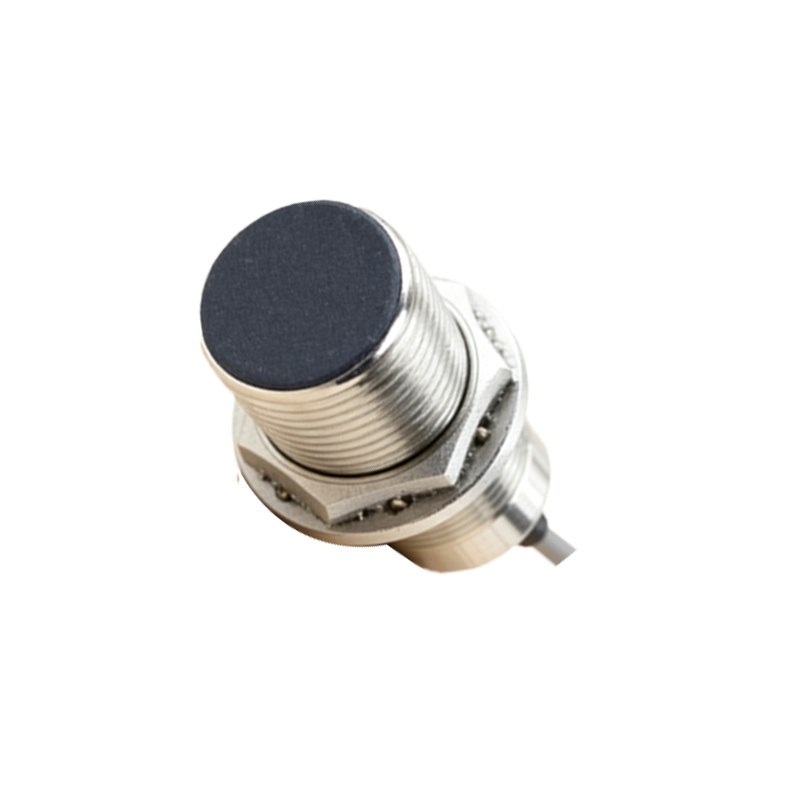
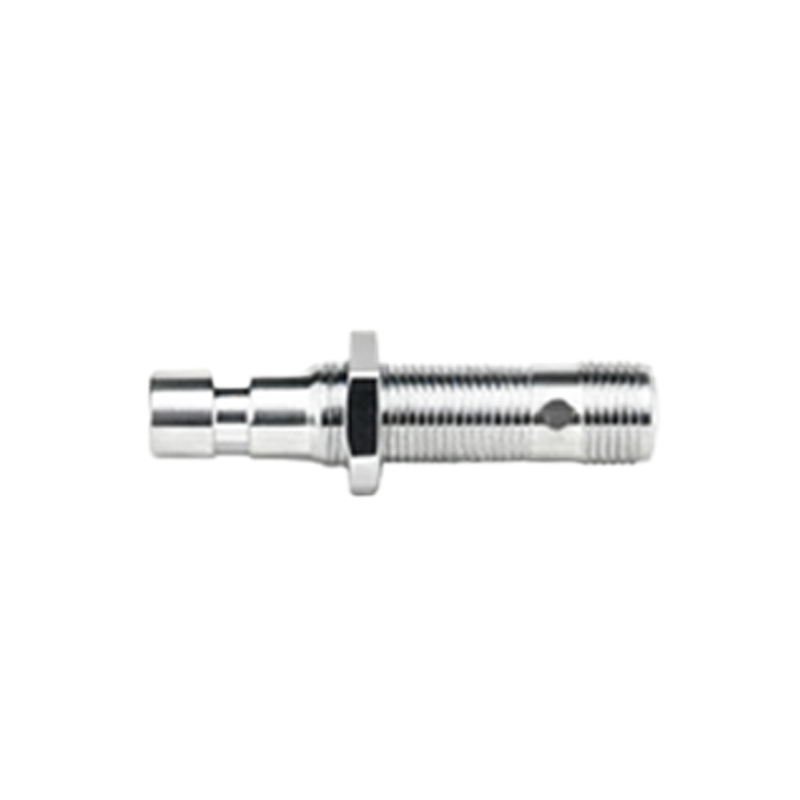
Key features define the 7503 proximity sensor's utility. First is its robust housing, often constructed from nickel-plated brass or stainless steel, providing excellent resistance to oils, coolants, and physical impacts common in manufacturing settings. Its compact cylindrical form factor, frequently in an M12 or M18 threaded barrel design, allows for easy installation in tight spaces. The sensing distance, while fixed and non-adjustable in standard models, is precisely calibrated—common ranges are 2mm, 4mm, or 8mm—ensuring repeatable accuracy. Furthermore, these sensors are often equipped with LED status indicators, offering immediate visual confirmation of operation and power, which simplifies troubleshooting and maintenance procedures.
The applications for the 7503 proximity sensor are vast and varied across multiple industries. In automotive assembly lines, they are deployed for part verification, such as confirming the presence of an engine block on a conveyor or detecting the position of a robotic arm. Packaging machinery relies on them to count products, control filling levels, or confirm box flap closure. Within material handling systems, these sensors monitor the position of pallets, cranes, and elevators, ensuring smooth and safe logistical operations. Their sealed design also makes them suitable for washdown areas in food and beverage processing plants, where hygiene and resistance to corrosive cleaning agents are paramount.
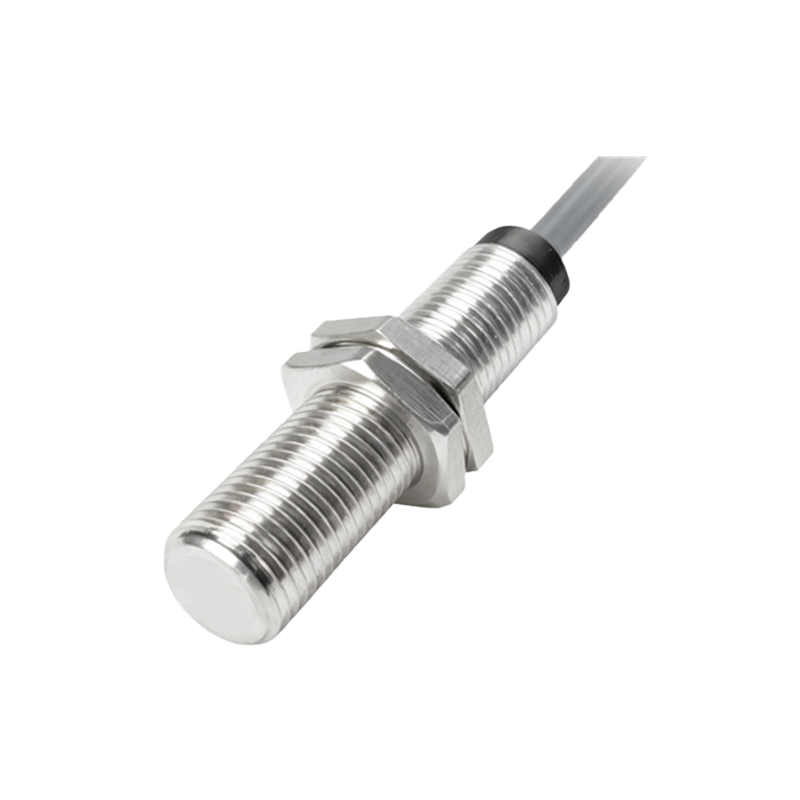
Selecting and installing the 7503 sensor requires attention to several parameters. The operating voltage (commonly 10-30V DC), output type (PNP or NPN sinking/sourcing), and the specific sensing distance must match the application's control system and physical requirements. Proper installation is crucial; the sensor must be mounted securely to avoid vibration-induced errors, and adequate clearance must be maintained around the sensing face to prevent interference from surrounding metal structures, known as the "flush-mountable" or "non-flush" installation consideration. Regular maintenance, though minimal, involves keeping the sensing face clean from debris and metal chips that could potentially cause false triggers.
In conclusion, the 7503 proximity sensor exemplifies the critical role of reliable sensing in modern industrial ecosystems. Its blend of solid-state durability, precise non-contact detection, and straightforward integration makes it a fundamental building block for automation, safety, and efficiency. From controlling complex robotic sequences to performing simple presence checks, this sensor provides the essential "eyes" for machinery, enabling smarter, faster, and more reliable production processes worldwide. Understanding its capabilities and correct application is key to leveraging its full potential in any automated system.