In the rapidly advancing field of medical technology, the integration of sophisticated sensors into implantable devices has revolutionized patient care. Among these innovations, proximity sensors for stents represent a critical development, offering enhanced precision, safety, and monitoring capabilities in cardiovascular and other interventional procedures. Stents, which are small mesh tubes used to prop open narrowed or weakened arteries, have long been standard in treating conditions like coronary artery disease. However, the incorporation of proximity sensors elevates their functionality from a passive scaffold to an intelligent, responsive implant.
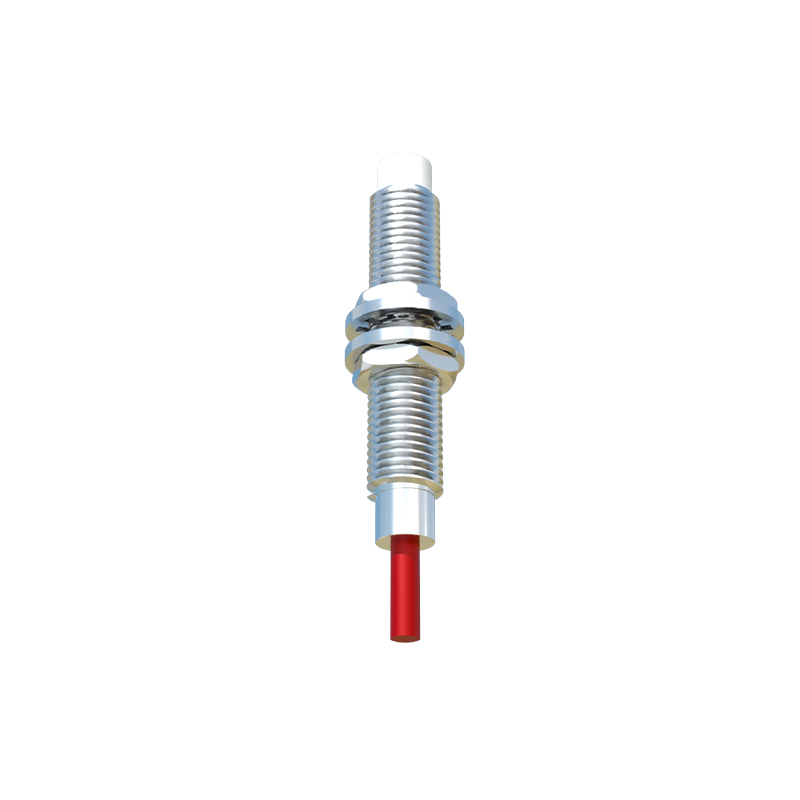
Proximity sensors are devices that detect the presence or absence of nearby objects without physical contact. In the context of stents, these sensors are typically miniaturized and embedded within or attached to the stent structure. They operate on various principles, such as inductive, capacitive, or optical sensing, tailored to the medical environment. The primary role of a stent proximity sensor is to monitor the stent's position relative to the vessel wall or surrounding anatomical structures. This real-time data is crucial during implantation procedures, where precise placement is paramount to avoid complications like migration, malapposition, or damage to the vascular tissue.
The deployment of a stent with integrated proximity sensors begins with the use of advanced delivery systems, often guided by imaging techniques like fluoroscopy or intravascular ultrasound. As the stent is navigated to the target site, the sensors provide continuous feedback on the distance between the stent struts and the arterial wall. This allows interventional cardiologists or radiologists to adjust positioning with millimeter accuracy, ensuring optimal apposition. Proper apposition—where the stent fits snugly against the vessel wall—is essential for promoting endothelialization (the growth of cells over the stent) and reducing risks such as in-stent restenosis (re-narrowing) or thrombosis (blood clot formation).
Beyond initial placement, proximity sensors enable long-term monitoring post-implantation. Once the stent is in place, these sensors can track subtle movements or changes in the vessel geometry over time. For instance, in cases of aortic aneurysms where stents (stent-grafts) are used to reinforce weakened artery sections, proximity sensors can detect shifts that might indicate endoleaks or graft migration, allowing for early intervention. This proactive monitoring capability transforms stents into diagnostic tools, potentially reducing the need for frequent invasive follow-up procedures like angiograms.
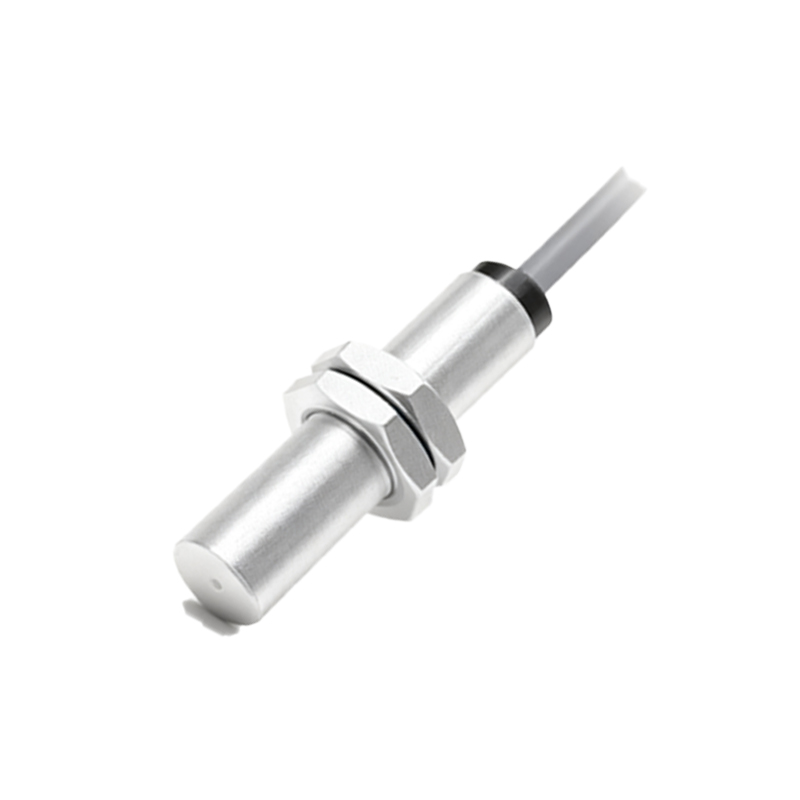
The technological core of these sensors involves micro-electromechanical systems (MEMS) and biocompatible materials. Sensors must be incredibly small, often on the scale of micrometers, to fit within stent struts without compromising the device's structural integrity or flexibility. They are designed to be biocompatible to prevent adverse immune reactions and are usually powered wirelessly through inductive coupling or energy-harvesting methods, eliminating the need for internal batteries. Data transmission is achieved via radio-frequency identification (RFID) or similar wireless protocols, sending information to external receivers for analysis by healthcare providers.
Clinical benefits are substantial. For patients, stent proximity sensors contribute to higher procedural success rates, fewer complications, and improved long-term outcomes. By ensuring precise placement, they minimize trauma to blood vessels, lowering inflammation and restenosis risks. The ability to monitor stent performance over time can lead to personalized treatment adjustments, enhancing quality of life. For medical professionals, these sensors provide objective, real-time metrics during procedures, reducing reliance on subjective imaging interpretation and increasing confidence in interventions.
Despite the promise, challenges remain in widespread adoption. Cost is a consideration, as sensor-integrated stents are more expensive than traditional ones. Regulatory approvals require rigorous testing to demonstrate safety and efficacy, which can slow market entry. Additionally, long-term data on durability and sensor performance in the dynamic environment of the human body are still being accumulated. However, ongoing research aims to address these issues, with developments in nanotechnology and smart materials paving the way for even more advanced iterations.
In conclusion, proximity sensors for stents embody a significant leap forward in interventional medicine. By merging implantable hardware with intelligent sensing, they enhance both the procedural accuracy and postoperative management of stent therapies. As technology continues to evolve, these sensors are poised to become standard in high-precision applications, ultimately contributing to safer, more effective patient care in cardiology, neurology, and beyond. The future may see them integrated with broader digital health systems, enabling continuous remote monitoring and truly personalized medicine.