In the seamless interaction we have with our smartphones, tablets, and countless other devices, a small, often unnoticed component plays a crucial role: the proximity sensor. This technology, fundamental to modern electronics, operates silently in the background, enhancing user experience, conserving power, and enabling new functionalities. But what exactly is a proximity sensor, and how does it function?
At its core, a proximity sensor is a device that detects the presence or absence of an object within a certain range without any physical contact. It emits an electromagnetic field or a beam of radiation, such as infrared light, and looks for changes in the field or return signal. The most common type found in consumer electronics is the infrared (IR) proximity sensor. It typically consists of an IR LED that emits light and a photodiode that detects reflected light. When an object, like your face during a phone call, comes close to the sensor, the infrared light bounces back to the photodiode. The sensor's circuitry measures this reflected signal, determining the object's proximity.
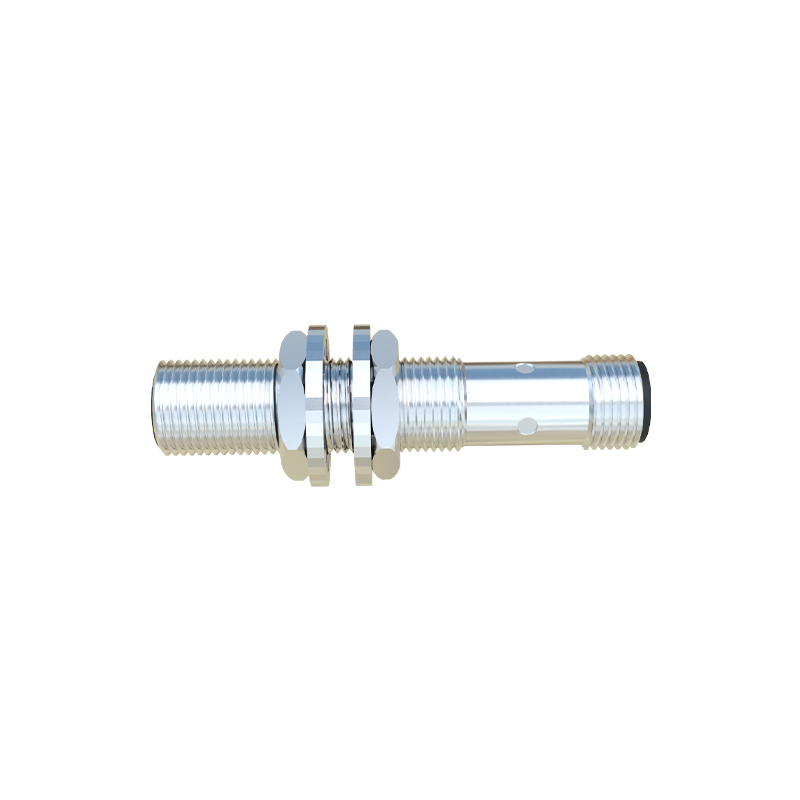
The most immediate and recognizable application is in smartphones. During a voice call, when you bring the phone close to your ear, the proximity sensor detects this movement and automatically turns off the touchscreen display. This serves a dual purpose. First, it prevents accidental screen touches from your cheek or ear from muting the call or pressing other buttons. Second, and equally important, it saves significant battery power by disabling the power-hungry display when it is not needed. Once you move the phone away from your ear, the sensor detects the absence of the object and promptly turns the display back on, ready for use.
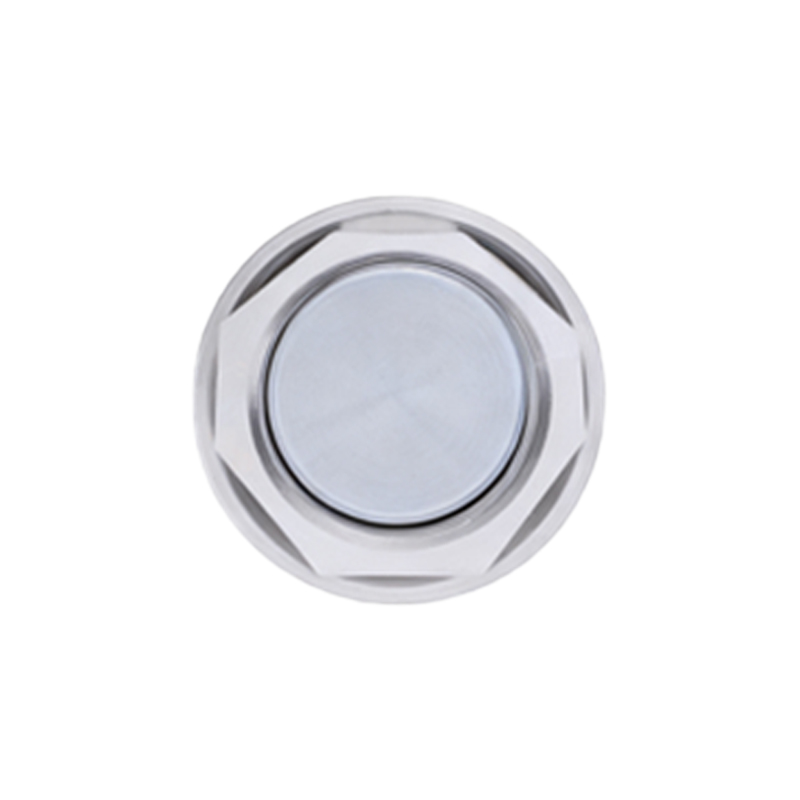
Beyond this everyday function, proximity sensors are integral to more advanced features. They are key enablers for gesture control in devices. Some smartphones and tablets can sense a hand wave over the sensor to silence an alarm, accept a call, or scroll through content without touching the screen. This touchless interaction became particularly valuable in contexts where hygiene is a priority. In automotive applications, proximity sensors contribute to safety and convenience. They are part of parking assistance systems, alerting drivers to nearby obstacles. Inside the cabin, they can detect a driver's hand approaching the infotainment system, potentially activating the display or preparing for a voice command, thereby reducing distracted driving.
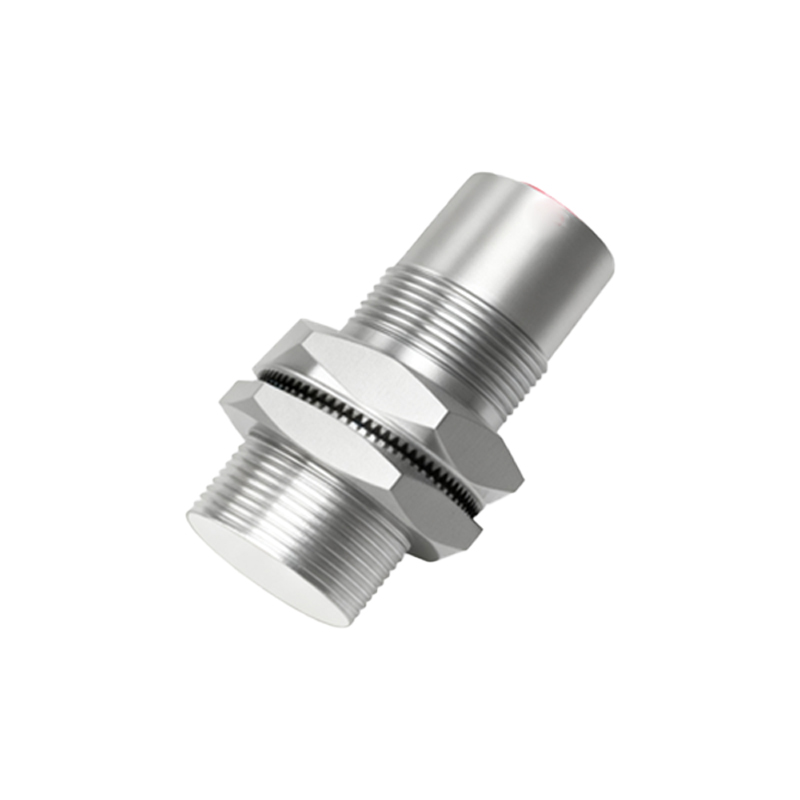
The industrial and manufacturing sectors rely heavily on more robust versions of proximity sensors. Inductive sensors detect metallic objects, capacitive sensors can detect both metallic and non-metallic materials like liquids or plastics, and ultrasonic sensors use sound waves for longer-range detection. On factory assembly lines, these sensors count products, verify the position of components, and ensure machine safety by detecting the presence of a worker in a hazardous zone. Their reliability, speed, and non-contact nature prevent product damage and increase operational efficiency.
Even in the realm of home automation and the Internet of Things (IoT), proximity sensors are finding new roles. Automatic soap or towel dispensers in public restrooms use them for sanitary, hands-free operation. Smart lighting systems can detect when a person enters or leaves a room, adjusting lights accordingly to conserve energy. Interactive displays in museums or retail stores can activate content when a visitor approaches, creating engaging experiences.
The development of proximity sensing technology continues to evolve. Time-of-Flight (ToF) sensors, which measure the time it takes for light to bounce back from an object, are providing much more accurate distance measurements. This technology is crucial for advanced camera features like portrait-mode blur and is a foundational element for augmented reality applications and 3D mapping. Furthermore, sensor fusion, where data from a proximity sensor is combined with inputs from an accelerometer, gyroscope, or ambient light sensor, allows for even more sophisticated and context-aware device behavior.
Despite their small size and simple principle, proximity sensors have a profound impact. They bridge the gap between the physical and digital worlds, making our interactions with technology more intuitive, efficient, and sometimes even magical. By performing their dedicated task of detecting nearby objects, they free users from mundane actions like pressing a button to turn off a screen, allowing us to focus on the task at hand. As devices become smarter and more integrated into our environment, the humble proximity sensor will undoubtedly remain a silent, essential workhorse, enabling smoother and more intelligent interactions in an increasingly connected world.