In the world of automation, electronics, and smart devices, you often encounter the term "proximity sensor." But what exactly is it called, and why is that its name? Simply put, a proximity sensor is an electronic device designed to detect the presence or absence of nearby objects without any physical contact. The name itself is derived from its core function: sensing "proximity," or closeness. Unlike a tactile switch that requires a push, a proximity sensor can "feel" an object from a distance, making it a non-contact detection tool.
The fundamental principle behind a proximity sensor involves emitting an electromagnetic field, a beam of light, or acoustic waves and then looking for changes in the field or the return signal. When an object enters this predefined field, the sensor detects the disturbance and sends an electrical signal to a connected control system. This simple action—detecting "something is there" or "something is not there"—is the cornerstone of countless automated processes.
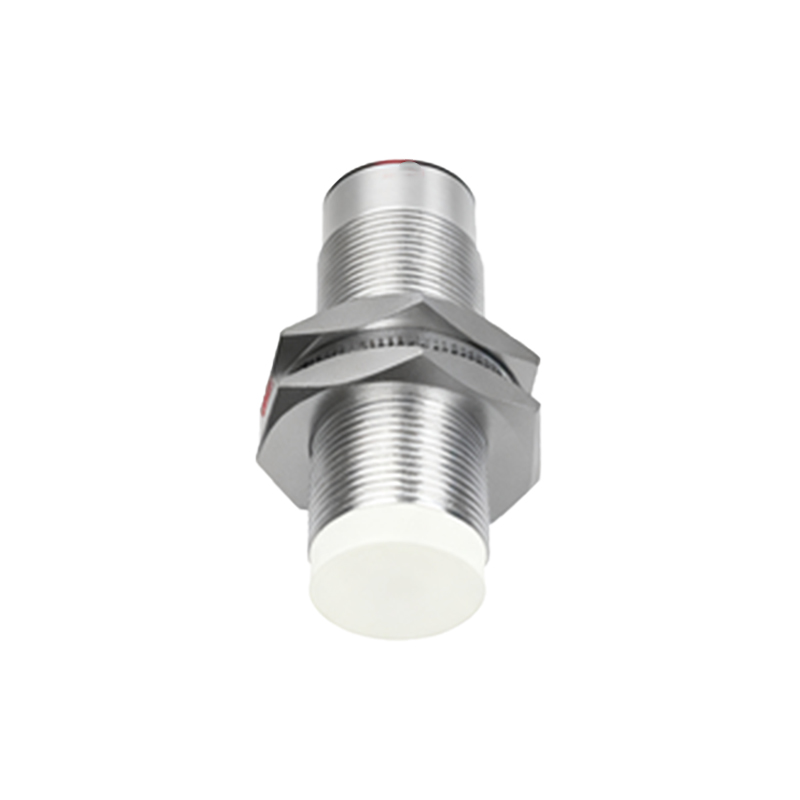
There are several main types of proximity sensors, each named for its specific detection technology. The most common ones include Inductive Proximity Sensors, which detect metallic objects; Capacitive Proximity Sensors, capable of detecting both metallic and non-metallic materials like liquids, wood, or plastics; Ultrasonic Proximity Sensors, which use sound waves to measure distance to an object; and Photoelectric Sensors, which use a light beam, often infrared, to detect presence. While "photoelectric sensor" is a distinct category, it is frequently grouped under the broad umbrella of proximity sensing technologies due to its non-contact nature.
So, why is it not called something else, like a "nearness detector"? The term "proximity sensor" is precise, technical, and universally accepted in engineering and industrial terminology. "Proximity" is the accurate scientific term for nearness in space, and "sensor" clearly denotes its function. This naming convention aligns with other sensor types, such as temperature sensors, pressure sensors, and motion sensors, creating a consistent and understandable lexicon for engineers, technicians, and procurement specialists globally.
The applications of proximity sensors are vast and integral to modern life. In your smartphone, a small proximity sensor turns off the touchscreen when you hold it to your ear during a call, preventing accidental touches. In automotive manufacturing, they ensure robotic arms position components with millimeter precision. In the food and beverage industry, capacitive sensors monitor liquid levels in non-metallic tanks. In anti-collision systems on vehicles, ultrasonic sensors measure the distance to obstacles. They are the unseen enablers of safety, efficiency, and convenience.
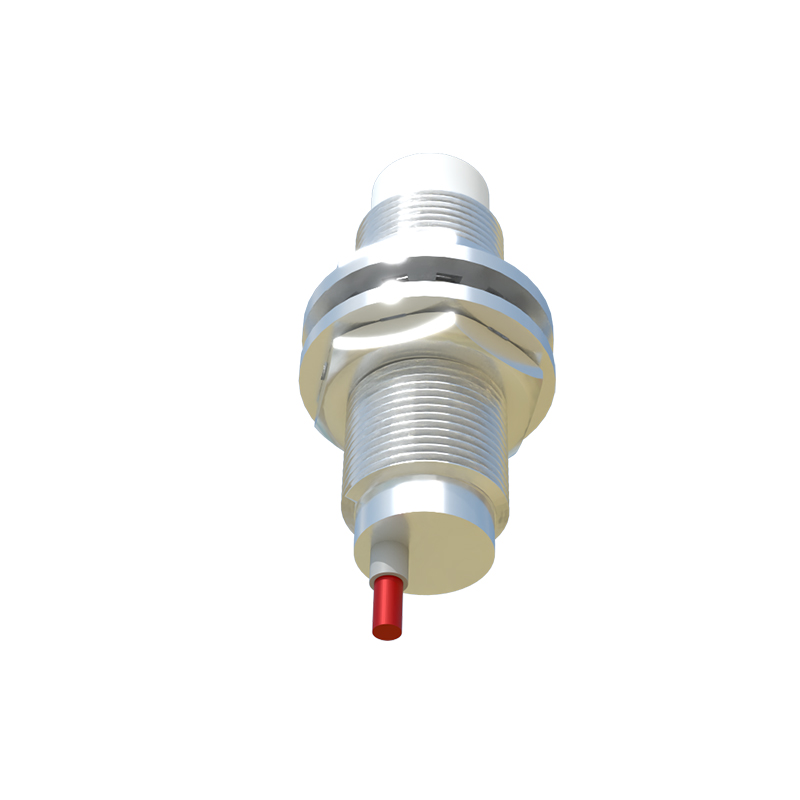
When selecting a proximity sensor, understanding its name and type is just the beginning. Key specifications include sensing range (how close an object must be), repeatability (consistency of detection), response time, and environmental robustness (resistance to dust, water, or temperature extremes). The correct choice depends entirely on the target material, the required detection distance, and the operating environment.
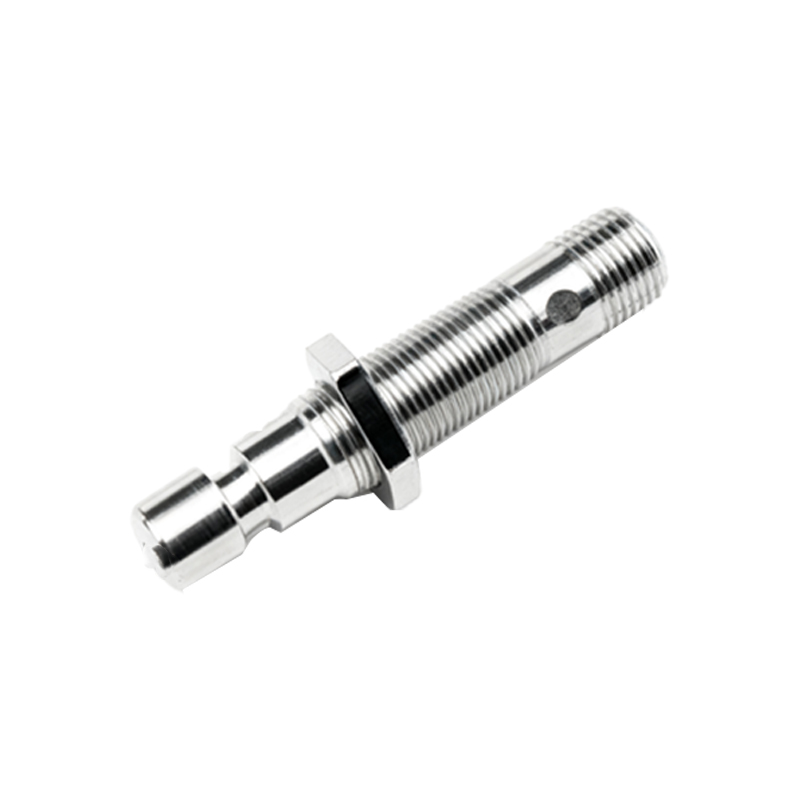
In conclusion, the device is called a proximity sensor because that name perfectly encapsulates its purpose: to sense the proximity of an object. It is a foundational component in the landscape of industrial automation, consumer electronics, and safety systems. From the factory floor to the palm of your hand, these sensors work silently and reliably, bridging the gap between the physical and digital worlds by answering the fundamental question: "Is something close by?" Their name, straightforward and descriptive, reflects the elegant simplicity of their crucial function.