In the world of industrial automation, consumer electronics, and safety systems, proximity sensors are indispensable components. Their ability to detect the presence or absence of an object without physical contact makes them critical for countless applications. Consequently, one of the most common queries from engineers, procurement specialists, and hobbyists is about proximity sensor pricing. Understanding the cost landscape is not about finding a single number but comprehending the multifaceted factors that drive the final price. This guide delves into the key determinants of proximity sensor costs, provides typical price ranges, and offers strategic advice for making a cost-effective purchase.
The price of a proximity sensor is rarely arbitrary. It is a direct reflection of its underlying technology, performance specifications, and build quality. The primary technology type is the most significant cost driver. Inductive sensors, used for detecting metallic objects, are generally the most economical, with basic models starting at a very accessible point. Capacitive sensors, capable of detecting both metallic and non-metallic materials like liquids or plastics, typically come at a moderate premium over their inductive counterparts. For longer-range detection or specific material sensing, ultrasonic and photoelectric sensors represent a higher price bracket due to their more complex internal components and circuitry. The most advanced and expensive are the specialized sensors like magnetic proximity sensors or those with analog or IO-Link smart communication capabilities.
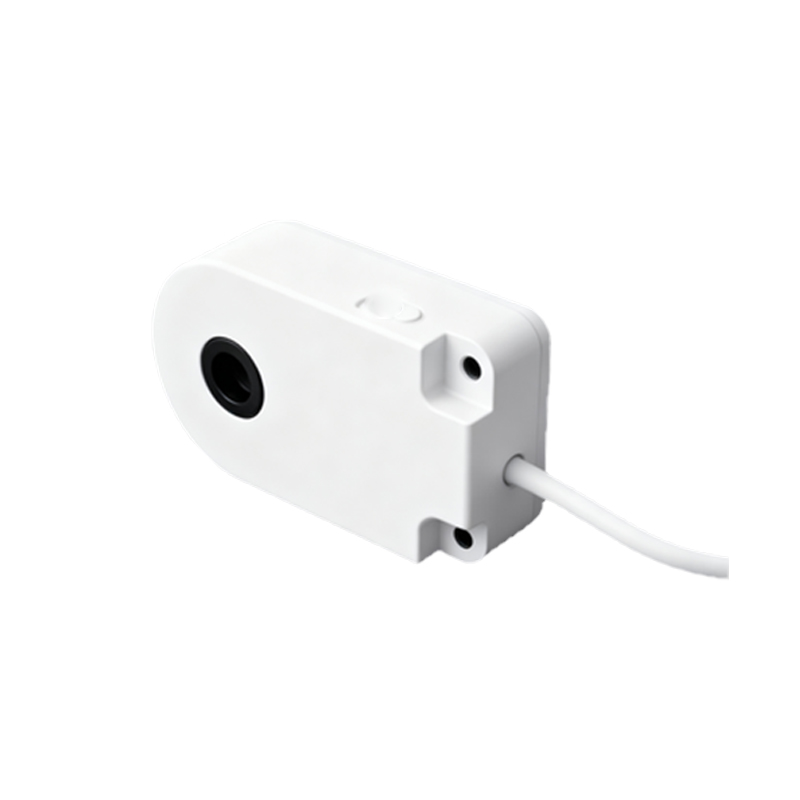
Beyond the core technology, several specifications critically impact the price. Sensing range is a major factor; a sensor with a 2mm range will cost significantly less than one rated for 20mm, even within the same technology family. The housing material also plays a role. Standard plastic or nickel-plated brass housings are cost-effective, while sensors designed for harsh environments with stainless steel (e.g., V4A/AISI 316L) or PBT housings command higher prices. The level of ingress protection (IP rating) is directly tied to cost. An IP67-rated sensor, suitable for washdown environments, is more expensive than an IP65 model. Output configuration (PNP vs. NPN, NO vs. NC) has a minor effect, but added features like short-circuit protection, reverse polarity protection, and especially diagnostic LEDs or advanced networking protocols (like IO-Link, which enables parameter setting and data exchange) add considerable value and cost.
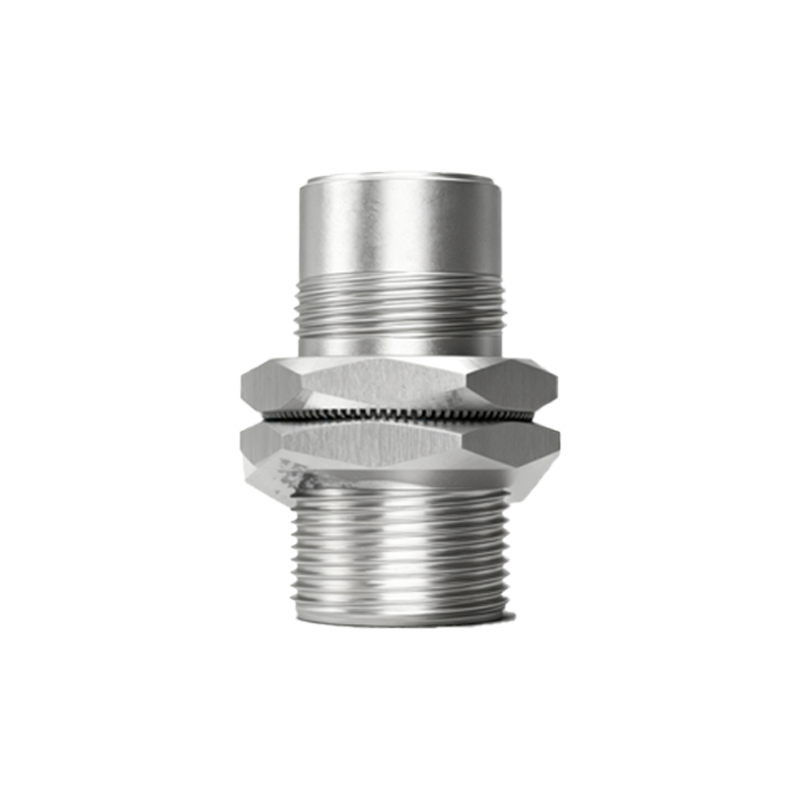
Brand reputation and supply chain positioning are undeniable economic factors. Established global brands like Siemens, Omron, Pepperl+Fuchs, and Balluff are associated with high reliability, extensive R&D, and global support networks, which is reflected in their premium pricing. These sensors are often the go-to choice for critical high-volume production lines where sensor failure is not an option. On the other hand, numerous reputable mid-tier and value-oriented manufacturers offer robust sensors with excellent performance at a lower price point, providing tremendous value for less demanding or budget-conscious applications. Furthermore, the choice between a standard stock item and a customized sensor has a dramatic price implication. Custom housings, connectors, or cables can multiply the unit cost.
So, what are the actual numbers? For basic inductive tubular sensors (e.g., M12 or M18 form factor) with standard ranges, prices can start as low as $10 to $20 per unit for value brands in single quantities. Mainstream industrial brands often price these between $25 and $60. Capacitive sensors in similar housings might range from $30 to $80. Ultrasonic and photoelectric sensors see a wider spread, typically from $50 up to $200 or more, depending on range, accuracy, and feature set. It is crucial to remember that these are list prices for single units. The most significant cost reduction comes from volume purchasing. Buying hundreds or thousands of units can often slash the per-unit price by 30% to 50%, depending on the manufacturer and distributor.
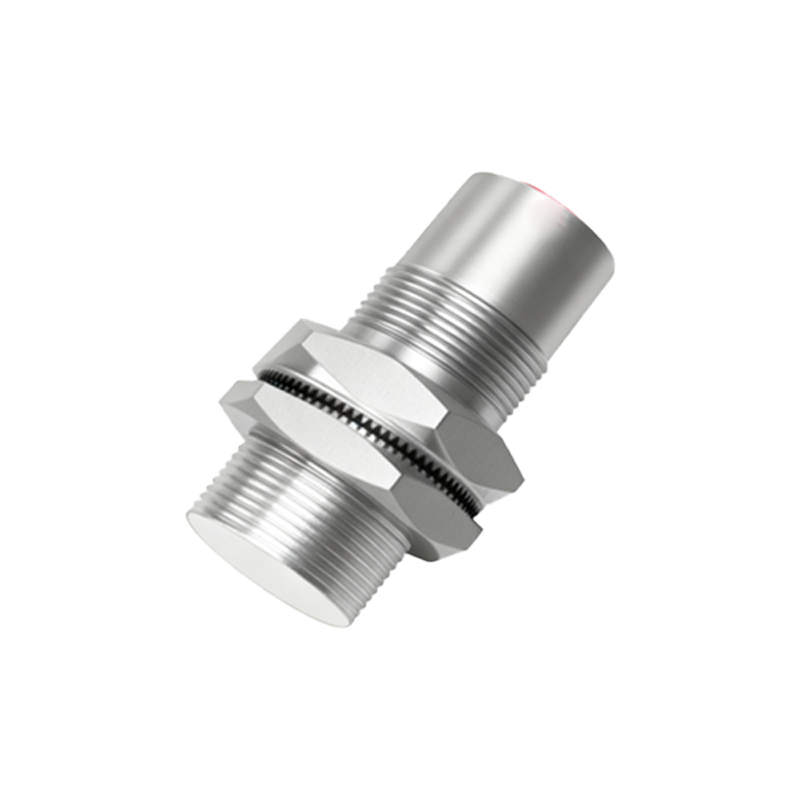
Therefore, a smart purchasing strategy goes beyond just comparing price tags. First, meticulously define your application requirements. Do you really need a 15mm sensing range, or will 5mm suffice? Is an IP67 rating necessary, or is IP68 adequate? Over-specifying is a common source of unnecessary cost. Second, consider the total cost of ownership. A cheaper sensor with a higher failure rate can lead to costly downtime, replacement labor, and lost production. Evaluating mean time between failures (MTBF) data and warranty terms is wise. Third, build a relationship with a trusted distributor. They can provide valuable technical support, sample units for testing, and negotiate better pricing on your behalf. Finally, always test a sensor sample in the actual application before committing to a large order. This verifies performance and prevents costly mismatches.
In conclusion, the question "How much does a proximity sensor cost?" has a layered answer. Prices are shaped by technology, specifications, brand, and quantity. By carefully analyzing your technical needs and adopting a strategic view that balances upfront