Human proximity sensors are electronic devices designed to detect the presence or absence of objects, typically humans, within a specific range without any physical contact. The core function revolves around measuring distance, a parameter critical to their application across numerous industries. Understanding how these sensors determine distance and the factors influencing their effective range is essential for proper selection and implementation.
The fundamental principle involves the emission of a field or signal—be it electromagnetic, infrared, acoustic, or optical—and the analysis of the reflected wave. The time it takes for the signal to return (Time-of-Flight or ToF), the change in the signal's strength, or the alteration in capacitance in the surrounding field are primary methods for calculating distance. For instance, ultrasonic sensors calculate distance based on the speed of sound and the echo's return time, while infrared sensors often rely on the intensity of the reflected light, which diminishes with increasing distance. Capacitive sensors detect changes in an electrostatic field caused by a conductive object like the human body.
The specified sensing distance is a key specification, but the actual effective range is not a fixed number. It is influenced by several interrelated factors. First, the sensor technology itself dictates the general range capabilities. Passive Infrared (PIR) sensors, common in lighting and security, detect motion through heat radiation but do not provide precise distance measurement. In contrast, laser-based ToF sensors can accurately measure distances of several meters. Second, environmental conditions play a massive role. For optical sensors, ambient light, dust, fog, or rain can scatter or absorb signals, reducing maximum range. For capacitive sensors, humidity or the presence of other conductive materials can cause interference and false triggers.
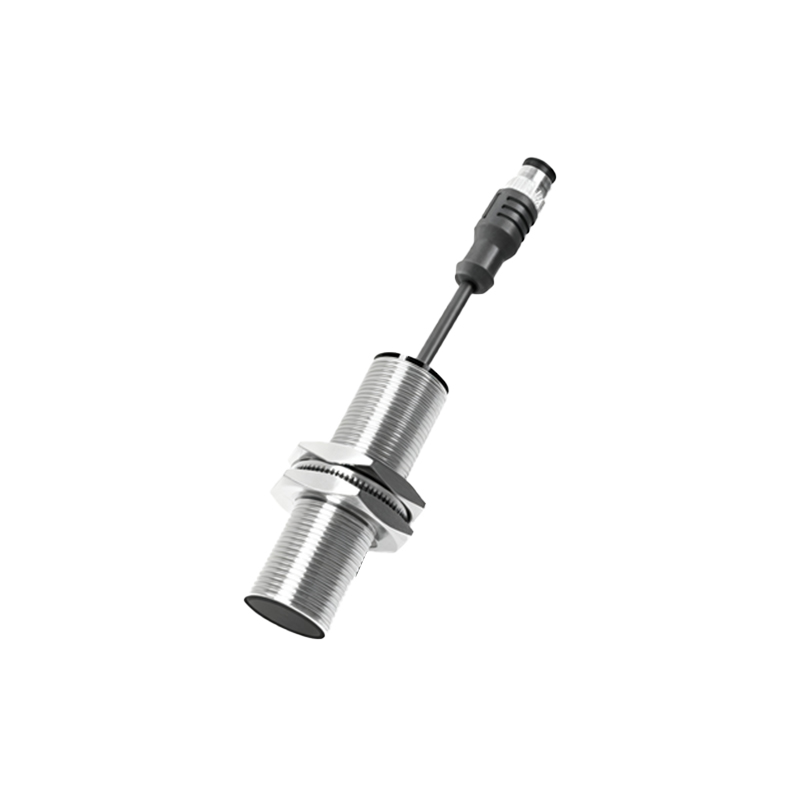
The target object's properties are equally important. Size, material, and surface characteristics affect detection. A sensor calibrated for a person's torso might not reliably detect a smaller body part like a hand at the same maximum distance. Dark, non-reflective clothing can reduce the range of an optical sensor compared to light-colored apparel. The angle of approach also matters; most sensors have an optimal detection cone, and objects approaching from the very edge of this cone may be detected at a shorter range.
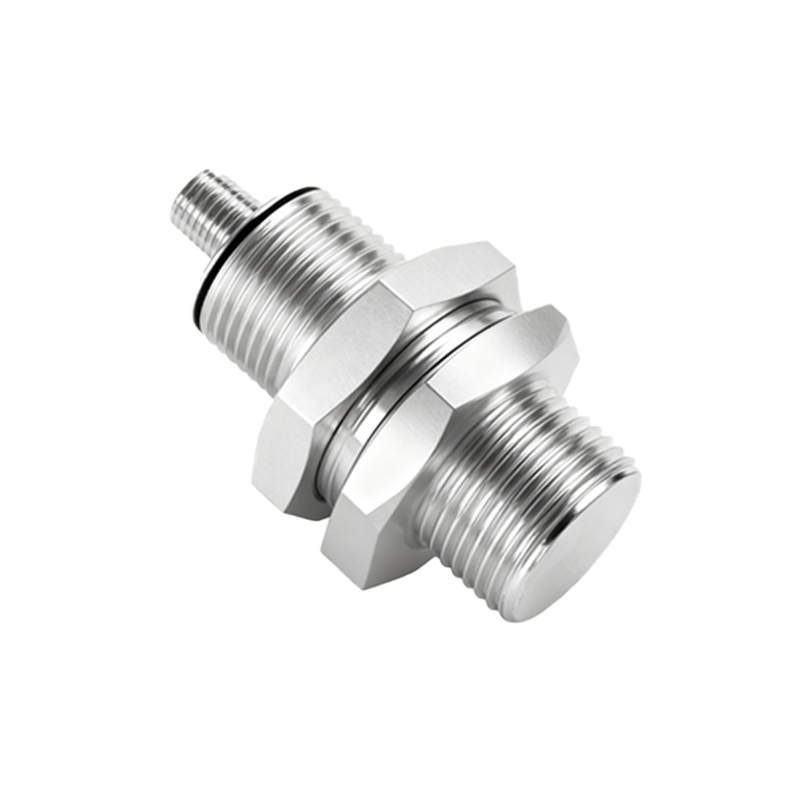
Typical applications leverage different distance ranges. Very short-range detection (a few centimeters) is used in touchless faucets or smartphone screen blanking during calls. Medium-range detection (up to a meter or two) is standard for automatic doors, hand dryers, and assembly line safety curtains. Long-range detection (several meters) finds use in people counting, occupancy monitoring for smart buildings, and vehicle presence detection.
Calibration and installation are crucial for achieving the intended performance. Sensors must be calibrated for their specific operating environment to minimize false negatives (failing to detect) and false positives (triggering without a target). Mounting height, orientation, and avoiding obstructions within the detection field are vital installation considerations. For example, a sensor mounted too high might only detect the top of a person's head at a reduced effective range.
When selecting a proximity sensor for an application involving human detection, one must look beyond the advertised maximum distance. A holistic assessment of the required precision, the expected environmental conditions, the nature of the interaction, and necessary safety factors is required. For safety applications, such as on robotic arms, a longer safety margin is built into the distance setting to ensure the machine stops well before human contact. In consumer electronics, the priority might be power efficiency and seamless user experience at a very specific, short range.
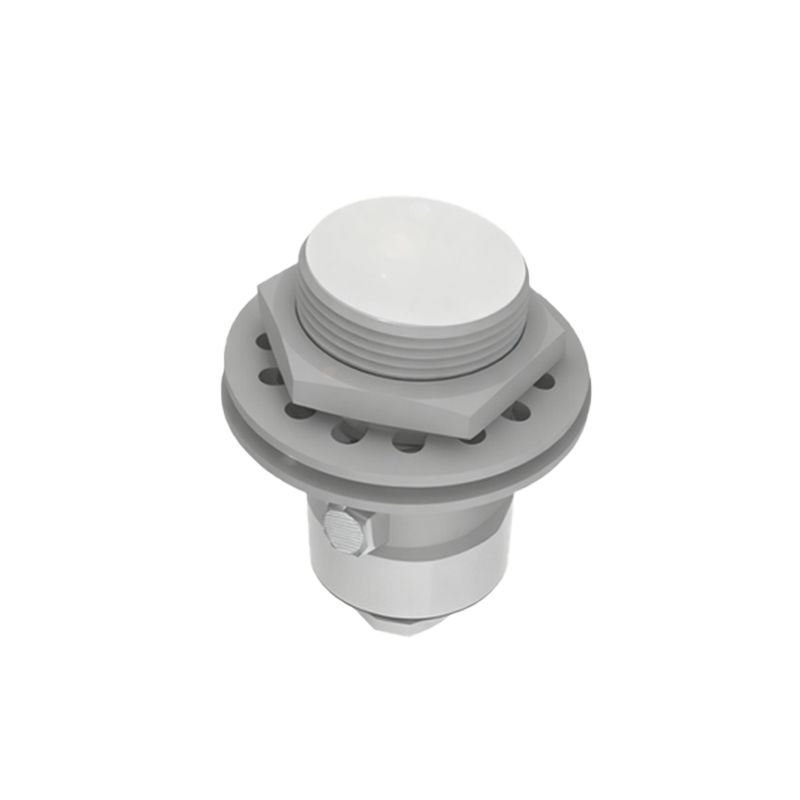
In conclusion, the operational distance of a human proximity sensor is a dynamic value governed by physics, technology, environment, and application needs. A deep understanding of these factors enables engineers and designers to deploy these versatile sensors effectively, creating safer, more efficient, and intuitive interactive systems across the modern technological landscape.