In the realm of industrial automation and electrical control systems, proximity switches stand as fundamental components. These devices, often simply called proximity sensors, detect the presence or absence of an object without any physical contact. Their operation relies on generating an electromagnetic field or a beam of radiation, and then monitoring for changes in the field or return signal. The key advantage is the elimination of mechanical wear and tear associated with traditional limit switches, leading to higher reliability, faster response times, and longer service life in demanding environments.
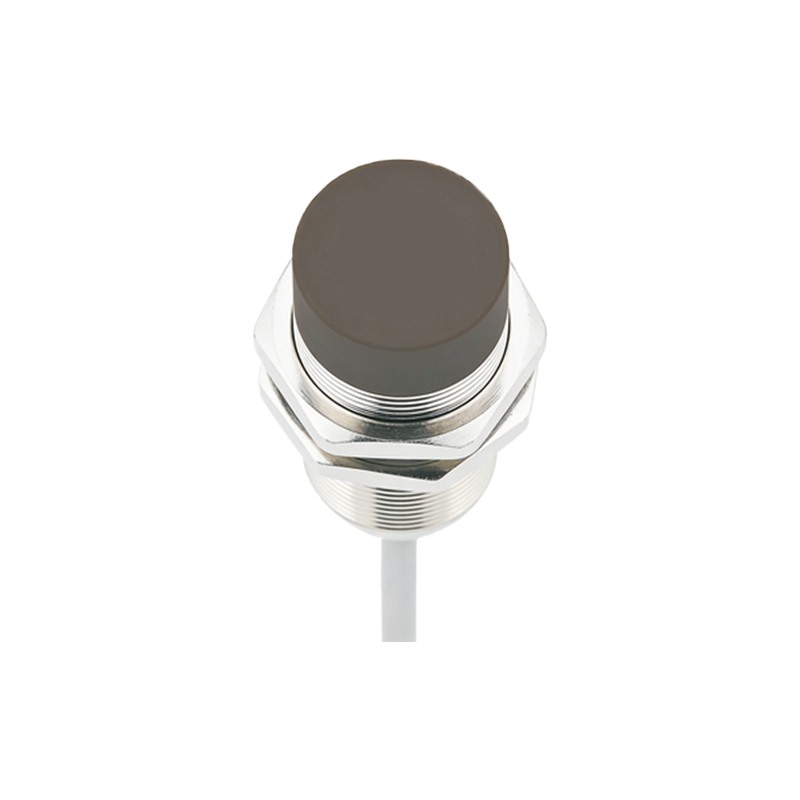
Proximity switches are primarily categorized based on their sensing technology. The most common types include inductive, capacitive, and photoelectric sensors. Inductive proximity switches are the workhorses for detecting metallic objects. They generate an oscillating electromagnetic field from a coil. When a ferrous or non-ferrous metal target enters this field, it induces eddy currents, causing a change in the oscillation amplitude. This change is detected by the sensor's circuitry, which then triggers a solid-state output switch. These sensors are ideal for applications like counting metal parts, determining the position of a machine tool, or as end-of-travel detectors in automated systems.
Capacitive proximity switches, on the other hand, can detect both metallic and non-metallic materials such as plastics, glass, wood, and liquids. They function by generating an electrostatic field. Any object that enters this field alters the capacitance of the system, which is measured and used to trigger the output. This makes them versatile for tasks like liquid level detection in tanks, monitoring the presence of plastic bottles on a conveyor, or detecting filled vs. empty containers.
Photoelectric proximity switches operate on a different principle, using a light transmitter (usually LED) and a receiver. They are subdivided into through-beam, retro-reflective, and diffuse reflective models. Through-beam types have separate emitter and receiver units; an object is detected when it interrupts the light beam. Retro-reflective sensors use a single unit that emits light and receives its reflection from a dedicated reflector; detection occurs when the beam is blocked. Diffuse sensors detect an object by receiving the light reflected directly from the object itself. Photoelectric sensors excel in long-range detection and are used for object counting, web break detection, and in clean environments.
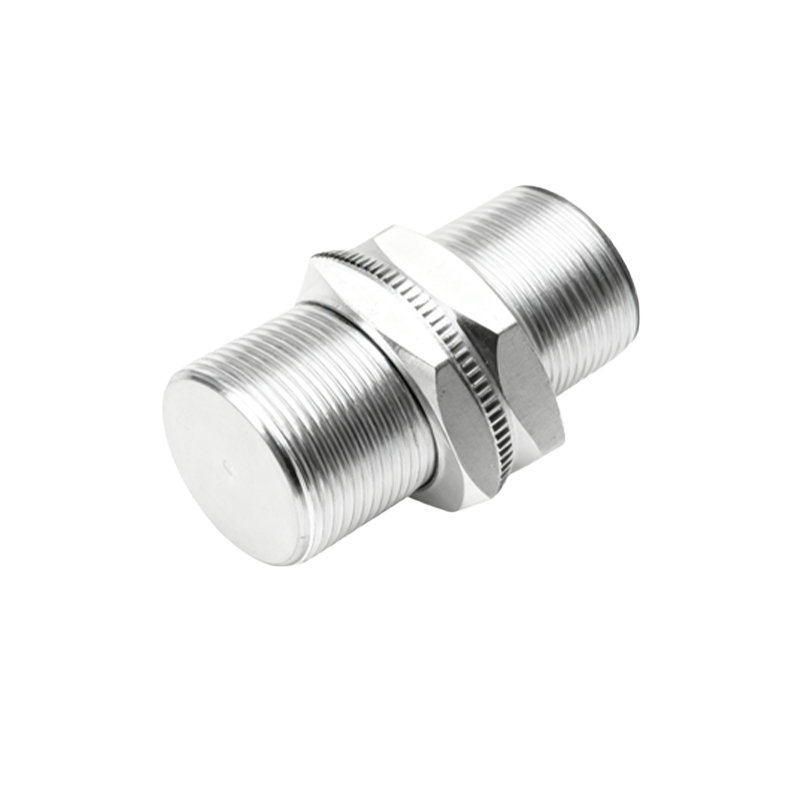
The output of a modern proximity switch is typically a solid-state transistor (PNP or NNP sourcing/sinking) or, less commonly now, an electromechanical relay. This output interfaces directly with programmable logic controllers (PLCs), motor starters, or other control system inputs. Key selection parameters beyond sensing type include sensing distance, which is rated for a standard target material; the housing material (often nickel-plated brass or stainless steel for robustness); output configuration; and environmental ratings like IP67 for protection against dust and temporary immersion.
Installation and wiring require attention to detail. Factors such as mutual interference between adjacent sensors, the presence of surrounding metal (which can reduce the effective sensing distance), and voltage supply specifications must be considered. For instance, inductive sensors can be affected by other magnetic fields, while capacitive sensors might be triggered by unintended environmental changes in humidity or material composition.
Applications are vast and span across all industries. In automotive manufacturing, inductive sensors monitor robotic arm positions and verify part placement. In food and beverage, capacitive sensors control liquid levels, and photoelectric sensors ensure proper packaging. In material handling, they control conveyor belts and manage warehouse automation. Their role in enabling safety interlocks on machine guards is also critical, helping to protect personnel by ensuring a machine cannot operate when a guard door is open.
When selecting a proximity switch, engineers must first define the target material. Is it metal, plastic, or liquid? Next, the required sensing distance and the necessary switching frequency (how fast the object is moving) must be determined. The operating environment is crucial—will the sensor be exposed to chemicals, extreme temperatures, or washdowns? Finally, the electrical characteristics must match the control system: the correct voltage (commonly 10-30V DC or 90-250V AC) and output type are essential for seamless integration.
In conclusion, the proximity switch is a silent enabler of modern industrial efficiency. From simple presence detection to complex positional feedback, these devices provide the essential data points that allow automated systems to function with precision and reliability. Understanding their operating principles, types, and application considerations is key for any electrical engineer, technician, or system designer involved in building or maintaining automated electrical control systems.