Selecting the right proximity sensor is a critical decision that impacts the efficiency, reliability, and safety of countless industrial and commercial systems. These non-contact devices detect the presence or absence of an object within a defined range, and their performance varies significantly based on technology, environment, and target material. A poor choice can lead to frequent failures, inaccurate readings, and costly downtime. This guide provides a systematic approach to navigating the key selection criteria, ensuring you specify a sensor that delivers optimal performance for your specific needs.
The first and most fundamental step is identifying the target material. This single factor often dictates the most suitable sensing technology. For detecting all metals, including steel, aluminum, and copper, inductive proximity sensors are the standard and most robust choice. They generate an electromagnetic field and react to the eddy currents induced in a metallic target. For non-metallic objects—such as wood, plastic, glass, liquids, or cardboard—a capacitive proximity sensor is required. These sensors detect changes in capacitance caused by the presence of any material that alters the electrostatic field. For precise position detection of any material, including transparent films or small components, photoelectric sensors (through-beam, retro-reflective, or diffuse) are highly effective, using a beam of light. Finally, for detecting magnetic fields specifically, as with permanent magnets or magnetized actuators, a magnetic proximity sensor (often a reed switch or Hall-effect sensor) is the appropriate, cost-effective solution.
Once the technology is narrowed down, the operating specifications require careful examination. The rated sensing distance, specified by manufacturers under ideal conditions with a standard target, is a starting point. In real-world applications, factors like target size, shape, and material composition (e.g., different grades of steel) can reduce the effective sensing range. A common safety practice is to apply a derating factor, typically using only 60-70% of the nominal range. The sensor's housing style is another practical consideration. Cylindrical threaded barrels (e.g., M8, M12, M18, M30) are common for easy mounting in drilled holes, while rectangular or block-style housings offer alternative mounting options. The housing material, usually nickel-plated brass, stainless steel, or PBT plastic, must be chosen to withstand the environmental conditions, including exposure to chemicals, washdowns, or physical impact.
The electrical requirements and output configuration are equally vital. Ensure the sensor's operating voltage (e.g., 10-30V DC, 20-250V AC) matches your control system. The output type must be compatible: a PNP (sourcing) or NPN (sinking) transistor output for DC sensors, or a relay contact for AC/DC switching. The output function, normally open (NO) or normally closed (NC), should be selected based on the desired control logic for the absence or presence of the target. For complex applications, consider sensors with analog outputs (4-20mA, 0-10V) for distance-proportional signaling, or IO-Link models for advanced diagnostics, parameterization, and process data integration into Industry 4.0 networks.
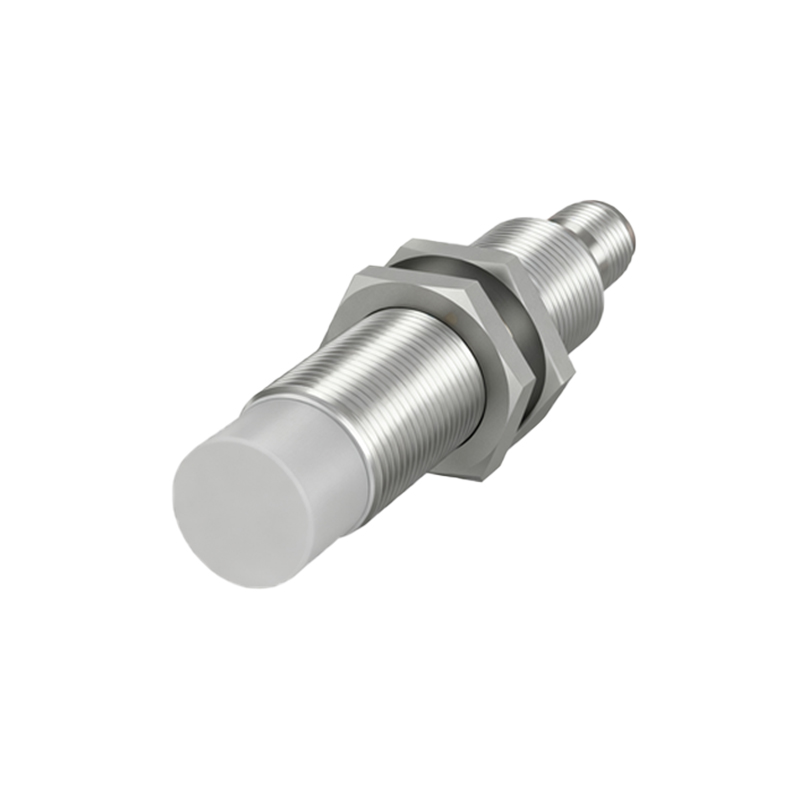
Finally, the installation environment demands rigorous assessment. Will the sensor be exposed to extreme temperatures, high humidity, or condensation? IP (Ingress Protection) ratings like IP67 or IP69K indicate resistance to dust and water jets, crucial for food processing or outdoor use. In environments with heavy vibration or shock, sensors with robust construction and potted electronics are necessary. Electrical noise from motors or welders can interfere with sensor operation, so look for models with built-in surge protection and electromagnetic compatibility (EMC) shielding. For hygienic applications, sensors with smooth, crevice-free housings made from FDA-approved materials are essential.
In conclusion, there is no universal "best" proximity sensor. The optimal choice emerges from a methodical evaluation of the target material, required sensing performance, electrical and mechanical compatibility, and the specific challenges of the operating environment. Investing time in this selection process prevents operational headaches and ensures a seamless, reliable integration that enhances overall system productivity. Consulting with sensor manufacturers or technical distributors can provide valuable application-specific insights, helping to validate your final decision.