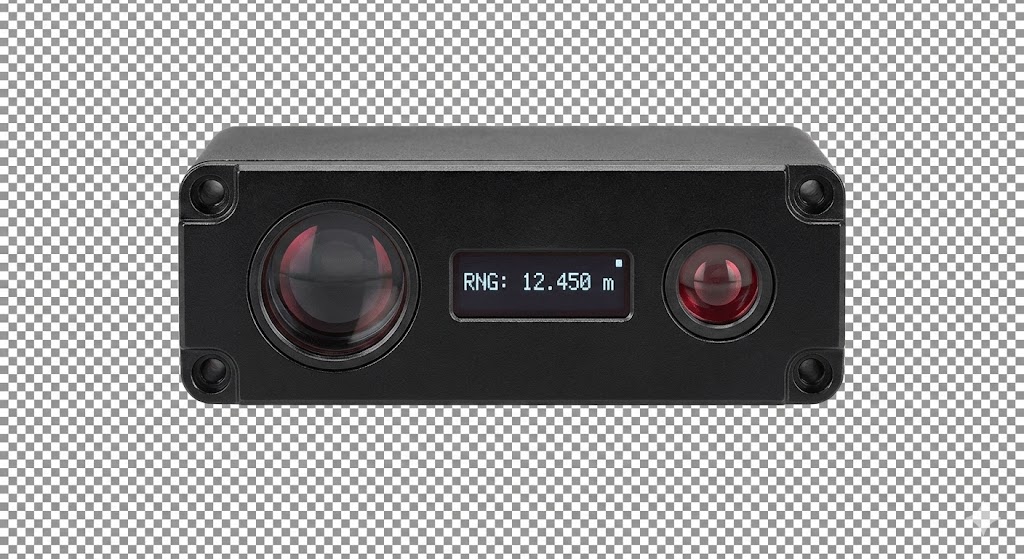
In the quest for cleaner air, accurate measurement is the first critical step. Among the various technologies available, laser dust sensors have emerged as a cornerstone for modern particulate matter (PM) monitoring. These devices provide the essential data needed to understand and address air pollution, from industrial settings to our living rooms. But what exactly are they, and how do they deliver such precise readings?
At its core, a laser dust sensor operates on a principle known as light scattering. Inside a compact detection chamber, a stable laser diode emits a focused beam of light. As air is drawn through this chamber, suspended particles—dust, smoke, pollen, or soot—pass through the laser's path. When a particle intersects the beam, it scatters the light in all directions. A strategically placed photodetector, positioned at a specific angle (often 90 degrees), captures this scattered light. The key insight is that the intensity of the scattered light pulse is directly proportional to the size of the particle. By analyzing these light pulses—their number and strength—the sensor's microprocessor can calculate both the concentration (number of particles per unit volume) and the size distribution of the particulate matter.
This ability to differentiate particle sizes is what makes laser dust sensors so valuable for health-related air quality assessment. They typically report data for key size fractions: PM1.0 (particles smaller than 1 micron), PM2.5 (fine particles under 2.5 microns), and PM10 (coarse particles under 10 microns). PM2.5 is of particular concern as these fine particles can penetrate deep into the lungs and even enter the bloodstream, linked to respiratory and cardiovascular diseases. A simple dust detector might only sense bulk presence, but a laser-based sensor quantifies the specific, harmful fractions.

The advantages of this technology are significant. Compared to older gravimetric methods (weaving filters), laser sensors provide real-time, continuous data. They are highly sensitive, capable of detecting particles as small as 0.3 microns, and offer fast response times. Their compact size and relatively low power consumption have enabled their integration into a wide array of devices. You now find them in professional-grade environmental monitoring stations, building HVAC systems for smart ventilation, and consumer products like air purifiers and portable air quality monitors. This democratization of data allows individuals and organizations to make informed decisions, such as when to close windows, increase filtration, or limit outdoor activity.
However, understanding their limitations is crucial for proper application. Laser dust sensors are excellent at relative measurement and trend analysis but may require periodic calibration against reference instruments for absolute accuracy, especially in varying environmental conditions like high humidity. They generally measure particle count and size but cannot identify the chemical composition of the particles (e.g., distinguishing between harmless pollen and toxic metal dust). For most applications, from managing indoor air to tracking urban pollution trends, their data is immensely powerful.
When selecting a laser dust sensor, key specifications to consider include the measurement range (typical concentrations it can handle), the smallest detectable particle size, response time, and long-term stability. The design of the air inlet and flow system also impacts performance, preventing larger particles from entering or ensuring a representative sample.

Looking ahead, the integration of laser dust sensors with the Internet of Things (IoT) and smart city infrastructures is amplifying their impact. Networks of these sensors can create hyper-local pollution maps, identifying hotspots and tracking plumes in real-time. This data feeds into public health advisories and guides urban planning. In industrial workplaces, they are vital for ensuring compliance with occupational safety standards and protecting worker health.
In conclusion, laser dust sensors transform the invisible into actionable data. By harnessing the physics of light scattering, they provide the detailed, real-time insights necessary to monitor and improve the air we breathe. As technology advances, making them even more accurate and affordable, their role in safeguarding public health and enabling cleaner environments will only continue to grow. They are not just sensors; they are fundamental tools for building a more breathable future.