In the rapidly evolving landscape of electronic components, the miniaturization of proximity sensors stands as a pivotal advancement, driving innovation across countless industries. These tiny, yet powerful, devices are engineered to detect the presence or absence of an object within a defined range without any physical contact. The push towards micro-scale proximity sensors is not merely a trend of making things smaller; it represents a fundamental shift towards greater integration, efficiency, and application versatility.
The core technologies enabling this miniaturization are diverse. Inductive proximity sensors, which detect metallic objects, have seen significant reductions in coil and circuit size through advanced micro-fabrication techniques. Similarly, capacitive sensors, sensitive to both metallic and non-metallic materials, now utilize microscopic electrode patterns. Photoelectric sensors, employing infrared or laser light, have benefited immensely from the development of ultra-compact LEDs and phototransistors. The most cutting-edge developments involve Micro-Electro-Mechanical Systems (MEMS), where sensors are etched from silicon wafers, achieving unprecedented small form factors while maintaining or even enhancing sensitivity and response time.
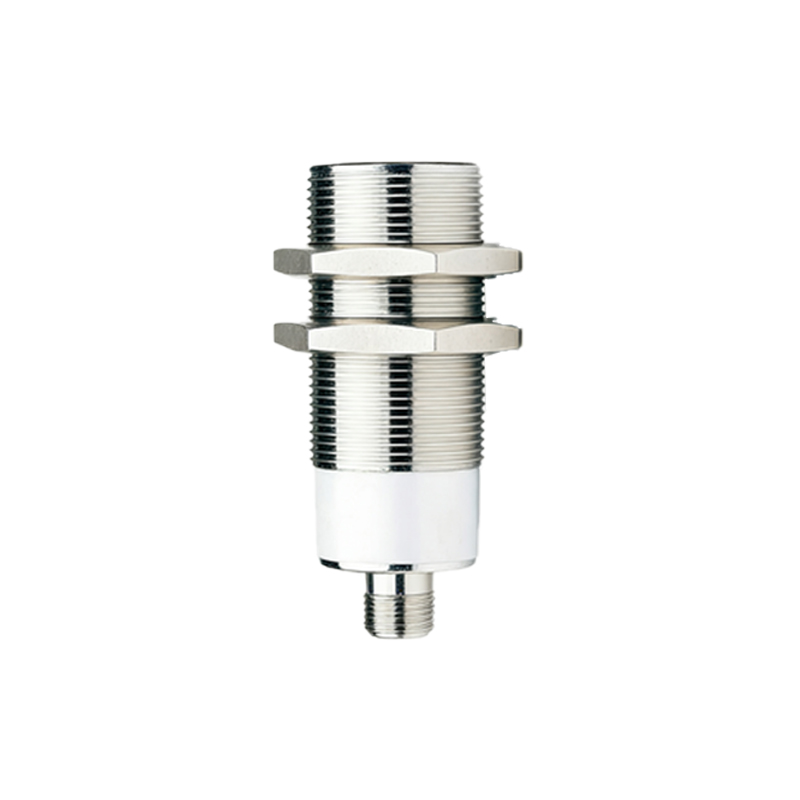
The advantages of miniaturized proximity sensors are transformative. Their reduced size allows for seamless integration into densely packed printed circuit boards (PCBs) and modern consumer electronics, such as smartphones and wearables, where they manage functions like automatic screen dimming during calls. In industrial automation, their compact design enables installation in tight spaces within robotic arms, conveyor systems, and precision machinery, facilitating more complex and delicate tasks. The lower power consumption of these micro-sensors is critical for battery-operated Internet of Things (IoT) devices, extending operational life. Furthermore, their high-speed response and reliability are essential for safety systems and real-time monitoring applications.

The applications are as vast as they are impactful. In consumer electronics, micro proximity sensors are ubiquitous, enabling features like touchless gesture control and preventing accidental screen touches. The automotive sector relies on them for parking assistance, blind-spot detection, and occupant sensing for advanced airbag systems. Within medical devices, they ensure precise positioning in surgical robots and enable non-contact interfaces for hygiene-sensitive equipment. Industrial settings leverage them for precise object counting, jam detection, and robotic end-effector positioning. As IoT and smart home ecosystems expand, these sensors become the silent, invisible enablers of automation, from smart faucets to inventory management systems.
However, the path to perfect miniaturization is not without challenges. Engineers continually grapple with balancing size reduction against performance parameters like sensing range, noise immunity, and environmental robustness. Shrinking components can make sensors more susceptible to electromagnetic interference (EMI) and temperature variations. Consequently, sophisticated signal processing algorithms and robust housing designs are developed in tandem with the physical sensor reduction. Material science also plays a crucial role, with new substrates and coatings enhancing durability without adding bulk.
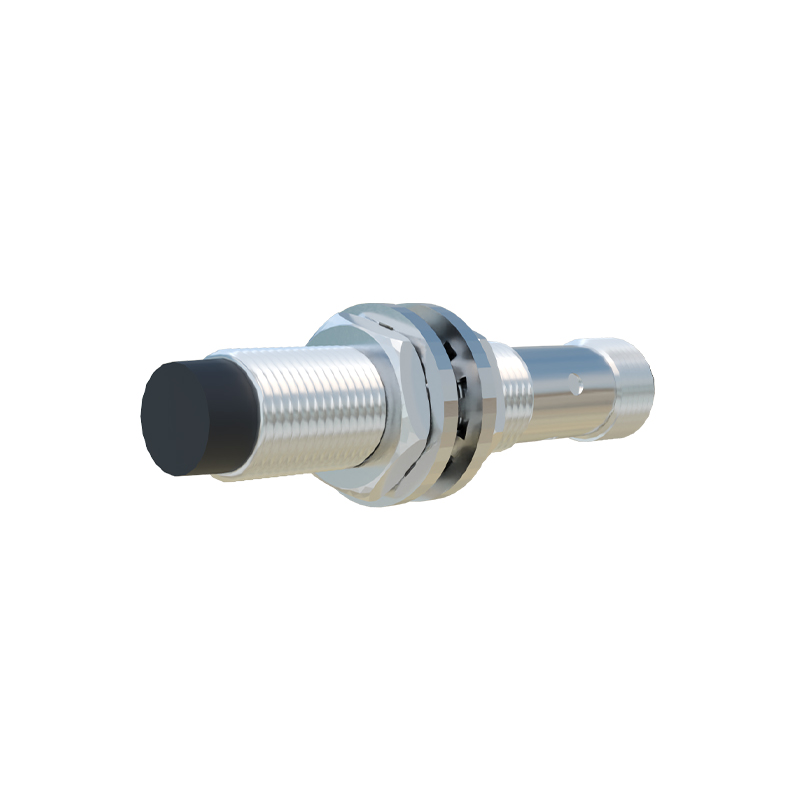
Looking ahead, the trajectory points toward even greater integration and intelligence. The convergence of micro-sensors with application-specific integrated circuits (ASICs) will yield "sensor nodes" that are smarter, self-calibrating, and capable of preliminary data processing. The adoption of new materials like graphene could lead to sensors that are thinner, more flexible, and more sensitive. Furthermore, the rise of digital sensing interfaces, such as I2C or IO-Link, simplifies wiring and allows for parameter configuration directly on the micro-sensor, enhancing flexibility in system design.
In conclusion, the miniaturization of proximity sensors is a cornerstone of modern technological progress. By packing sophisticated detection capabilities into microscopic packages, these components are unlocking new possibilities in design and functionality across every sector. They are the unassuming guardians of efficiency, safety, and automation, and their continued evolution will be integral to shaping the smart, interconnected world of the future. The era of micro sensing has firmly arrived, proving that the most significant impacts often come from the smallest of components.