In industrial automation, the integration of proximity sensors with Programmable Logic Controllers (PLCs) forms a critical backbone for countless applications. This synergy enables precise, reliable, and non-contact detection of objects, directly influencing machine control, safety, and process efficiency. Understanding how to effectively implement proximity sensor control within a PLC system is fundamental for engineers and technicians.
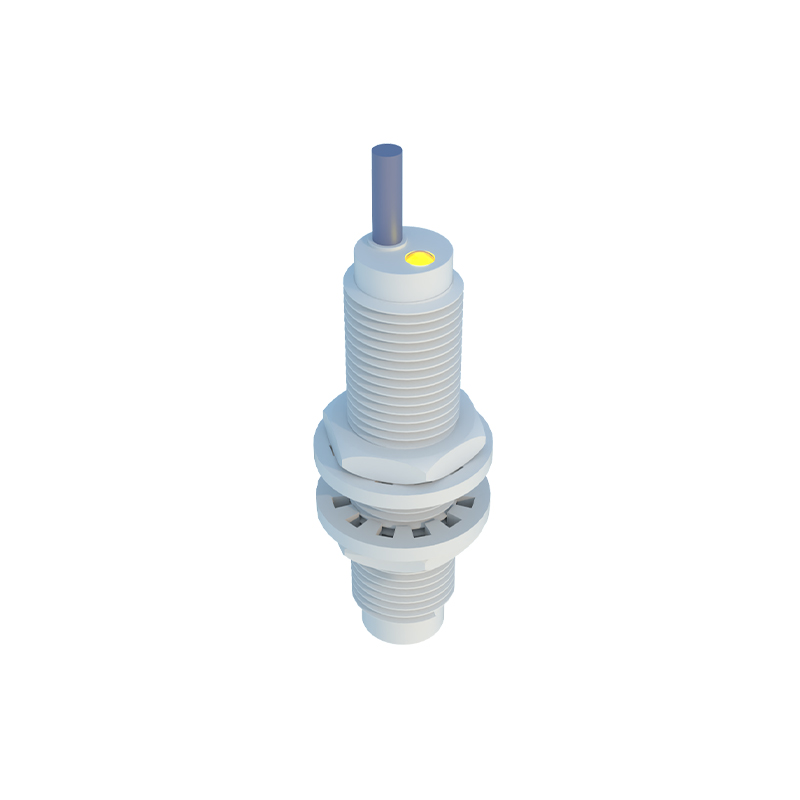
A proximity sensor is a device that detects the presence or absence of an object within its sensing range without physical contact. Common types include inductive (for metals), capacitive (for metals and non-metals), and photoelectric sensors. These sensors typically provide a discrete digital output signal—either a voltage change (e.g., 0V to 24V DC) or a current change—when an object enters their detection field. This simple ON/OFF signal is the primary language through which the sensor communicates with the PLC.
The PLC acts as the central processing brain. The sensor's output wire is connected to a specific input terminal on the PLC's input module. When the sensor detects a target, it energizes this input point. The PLC's CPU continuously scans its input memory, reading the status of all connected inputs (e.g., HIGH or LOW, 1 or 0). This status is then used within the user-written control program, typically developed in ladder logic, function block diagram, or structured text.
The core logic is straightforward. For instance, a simple ladder logic rung might use an input contact (representing the sensor) to control an output coil (representing an actuator like a solenoid valve or motor starter). When the sensor input is TRUE (object detected), the rung condition is met, energizing the output. This allows for direct control: a sensor detecting a part on a conveyor can trigger a pusher cylinder to eject it. However, real-world applications are often more complex, involving sequences, timers, counters, and interlocks. A sensor might initiate a timer delay before an action, count objects entering a work cell, or provide a safety interlock to prevent machine operation if a guard door is open.
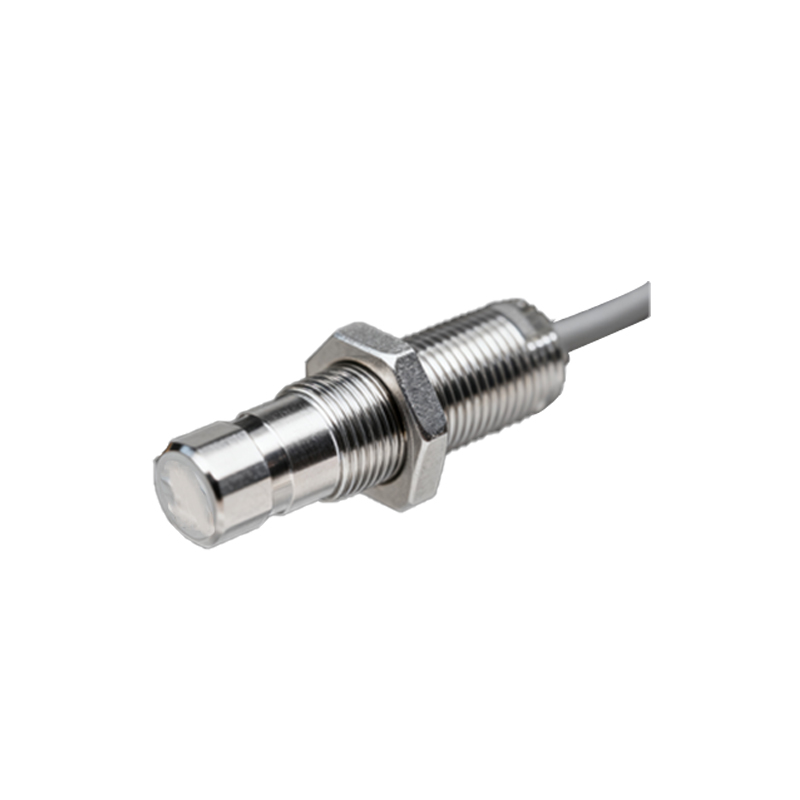
Proper wiring and configuration are paramount. Designers must ensure compatibility between the sensor's output type (NPN sinking or PNP sourcing) and the PLC input module's specifications. Mismatches can lead to malfunction or damage. Similarly, selecting the correct sensor for the environment—considering factors like sensing distance, target material, temperature, and presence of contaminants—is crucial for reliable operation. Shielded cables are often recommended in electrically noisy industrial settings to prevent false triggering.
Advanced implementations leverage the diagnostic capabilities of both modern sensors and PLCs. Some sensors offer IO-Link communication, providing not just a binary signal but detailed diagnostic data (e.g., operating hours, temperature, signal strength) directly to the PLC. This facilitates predictive maintenance. Furthermore, PLC programs can include fault detection routines, such as monitoring a sensor's expected state during a specific machine cycle. If a sensor fails to trigger within a predefined time window, the PLC can halt the process and alert operators, minimizing downtime.
The benefits of this control methodology are significant. It enhances system reliability through non-contact sensing, which avoids mechanical wear. Speed is improved as sensors can detect objects at high frequencies. Safety is bolstered by using sensors for area guarding and equipment positioning. Ultimately, the precise feedback from proximity sensors allows PLCs to execute complex automation sequences with high repeatability, driving quality and productivity in manufacturing, packaging, material handling, and automotive assembly lines.
In summary, controlling a PLC with proximity sensors involves a seamless hardware connection and intelligent software logic. Mastery of sensor selection, wiring practices, and logical programming enables the creation of robust, efficient, and intelligent automated systems that respond accurately to their physical environment. This foundational skill remains indispensable in the evolving landscape of industrial automation.