Proximity sensors are fundamental components in modern automation, serving as the unseen eyes of machinery. Their primary function is to detect the presence or absence of an object within a defined range without physical contact. The design of a standard proximity sensor is a meticulous process that balances detection principles, physical construction, electrical characteristics, and environmental resilience. This article delves into the core design principles that define reliable and effective standard proximity sensors.
At the heart of most standard industrial proximity sensors lies the inductive sensing principle. This design is specifically for detecting metallic objects. The sensor contains a coil wound around a ferrite core, which is part of an oscillator circuit. When an alternating current flows through this coil, it generates an alternating electromagnetic field in front of the sensor face. When a conductive metal object enters this field, eddy currents are induced on the object's surface. These eddy currents draw energy from the oscillator, causing a change in its amplitude. An evaluation circuit within the sensor monitors this change and triggers a solid-state switch, typically an NPN or PNP transistor, at a predefined threshold. This switch then provides the output signal. The standard sensing distance, or nominal range (Sn), is a critical design parameter, typically ranging from 1 to 15 mm for cylindrical M12 or M18 housings, and is defined for a standard target of mild steel.
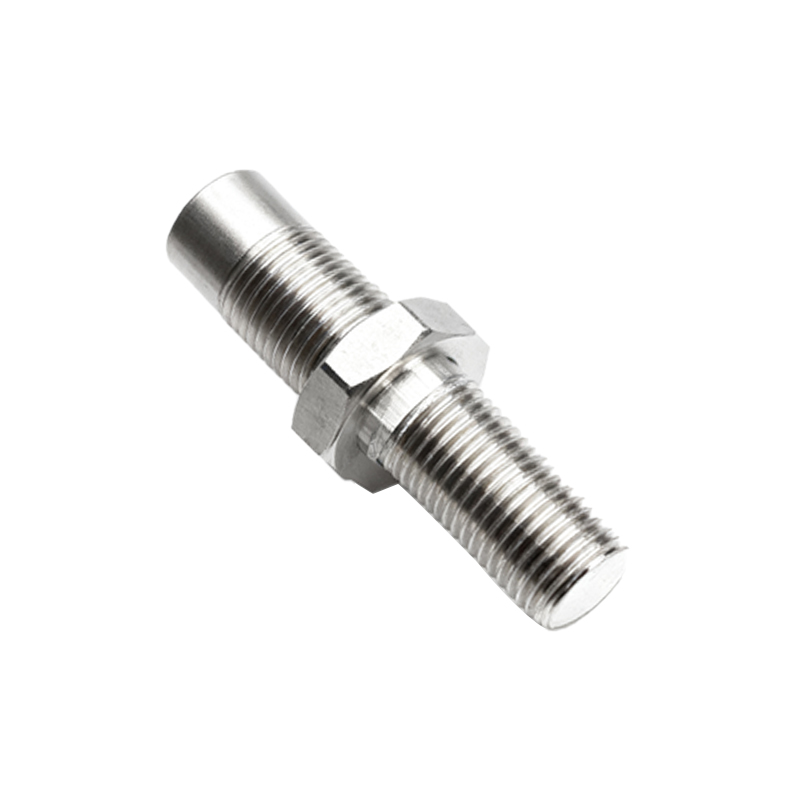
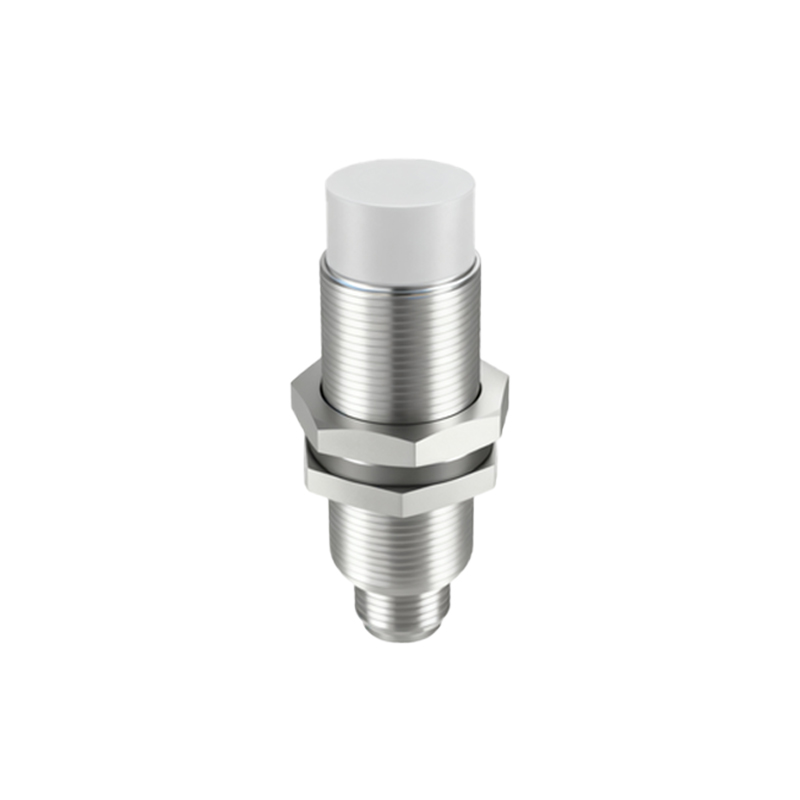
The physical housing design is paramount for durability and installation. Standard forms include cylindrical threaded barrels (e.g., M8, M12, M18, M30) and rectangular blocks. Materials like nickel-plated brass or stainless steel (e.g., 303, 304, 316) are standard for robust environments. The front sensing face is often made of a specialized plastic (like PBT or PPS) that allows the magnetic field to pass through while protecting the coil. A key design feature is the flush-mounting capability. Many standard inductive sensors are designed to be mounted flush with a metal bracket without false triggering, achieved through shielding that directs the field radially outward from the face. Non-flush mount variants offer longer ranges but require a clearance zone around the sensor.
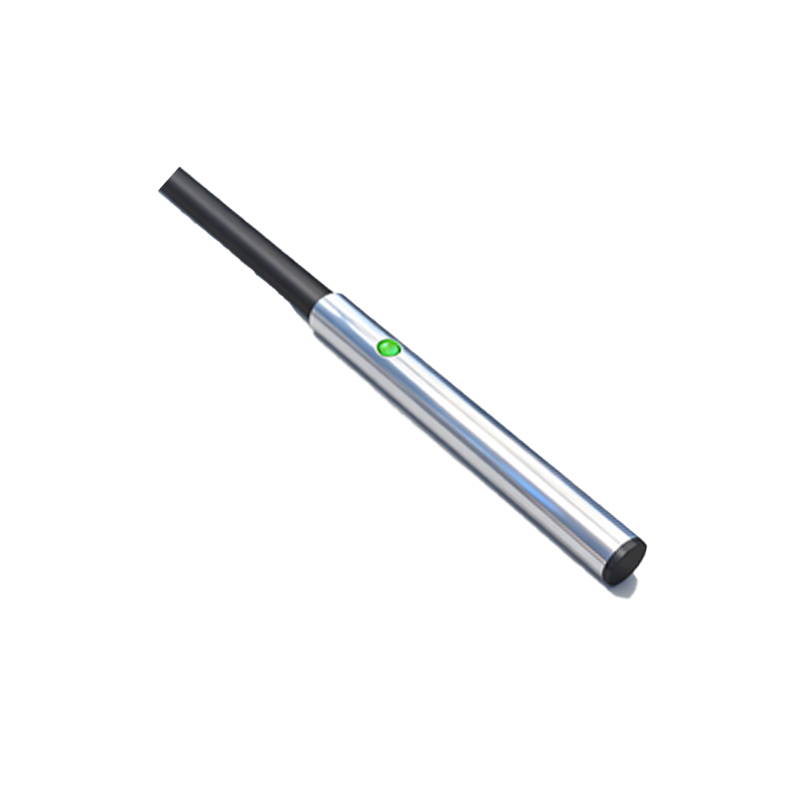
Electrical design standardization ensures compatibility with Programmable Logic Controllers (PLCs). The operating voltage is typically 10-30V DC, with 24V DC being the industrial standard. Output configurations are either NPN (sinking) or PNP (sourcing), and some sensors offer both via configurable wiring. A normally-open (NO) or normally-closed (NC) logic function is standard. The output current rating, often 100-200 mA, must be sufficient to drive relays or PLC input modules. An integral LED indicator for power and output status is a universal design element for diagnostics. Protection against reverse polarity, short-circuit, and overload is standard in quality designs.
Environmental sealing, denoted by Ingress Protection (IP) ratings like IP67 or IP69K, is a non-negotiable aspect of standard design. This ensures reliable operation amidst dust, coolants, and high-pressure washdowns. Temperature range, typically -25°C to +70°C, and resistance to vibration and shock are specified to match industrial settings. For applications involving non-metallic objects, capacitive proximity sensors follow a similar design philosophy but use a different principle, detecting changes in capacitance caused by any material that alters the dielectric constant near the active face.
The application of standard proximity sensors is vast. They are the workhorses for position detection in automated assembly lines, confirming the presence of a part in a fixture or the end-of-travel of a cylinder. In packaging machinery, they count products on conveyors. In CNC machine tools, they serve as tool presence detectors and home position switches. Their robustness and non-contact nature make them ideal for harsh environments where mechanical limit switches would fail.
In conclusion, the design of a standard proximity sensor is a testament to engineered reliability. It is a sophisticated integration of electromagnetic theory, solid-state electronics, and mechanical ruggedness. By adhering to well-established electrical and mechanical form factors, these sensors provide a universal, interoperable solution for object detection. Their continued evolution focuses on miniaturization, increased sensing ranges, enhanced noise immunity, and smarter diagnostic capabilities, all while maintaining the rugged, plug-and-play simplicity that industry relies upon. Understanding these core design principles is essential for selecting the correct sensor for any given automation challenge.